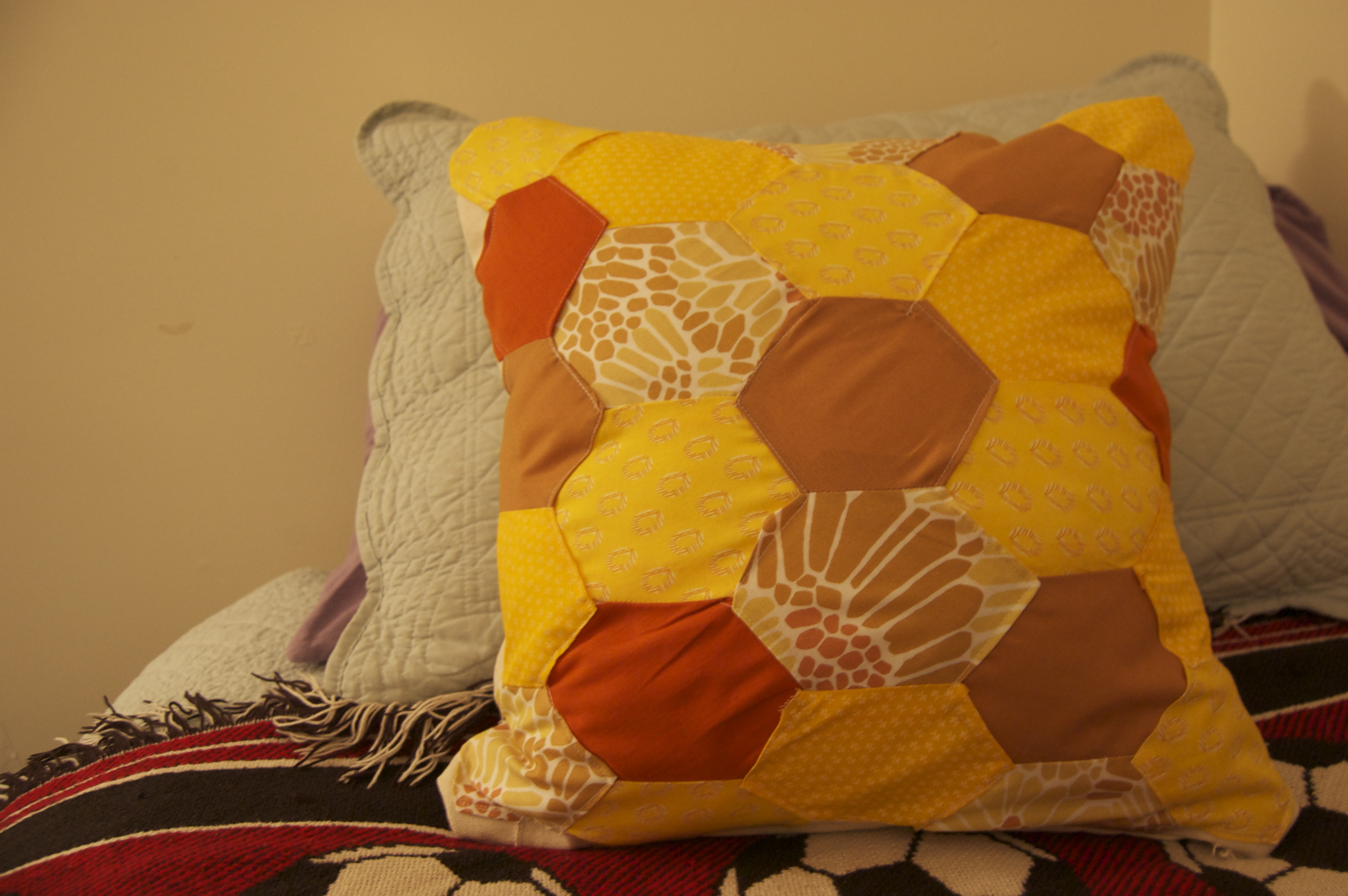
I am making a quilt!

My roommate said it best when I texted her the good news. “Well, of course you are,” she said. It’s been a goal of mine to make a quilt since I was a senior in high school. The only problem was, I had no idea where to start.

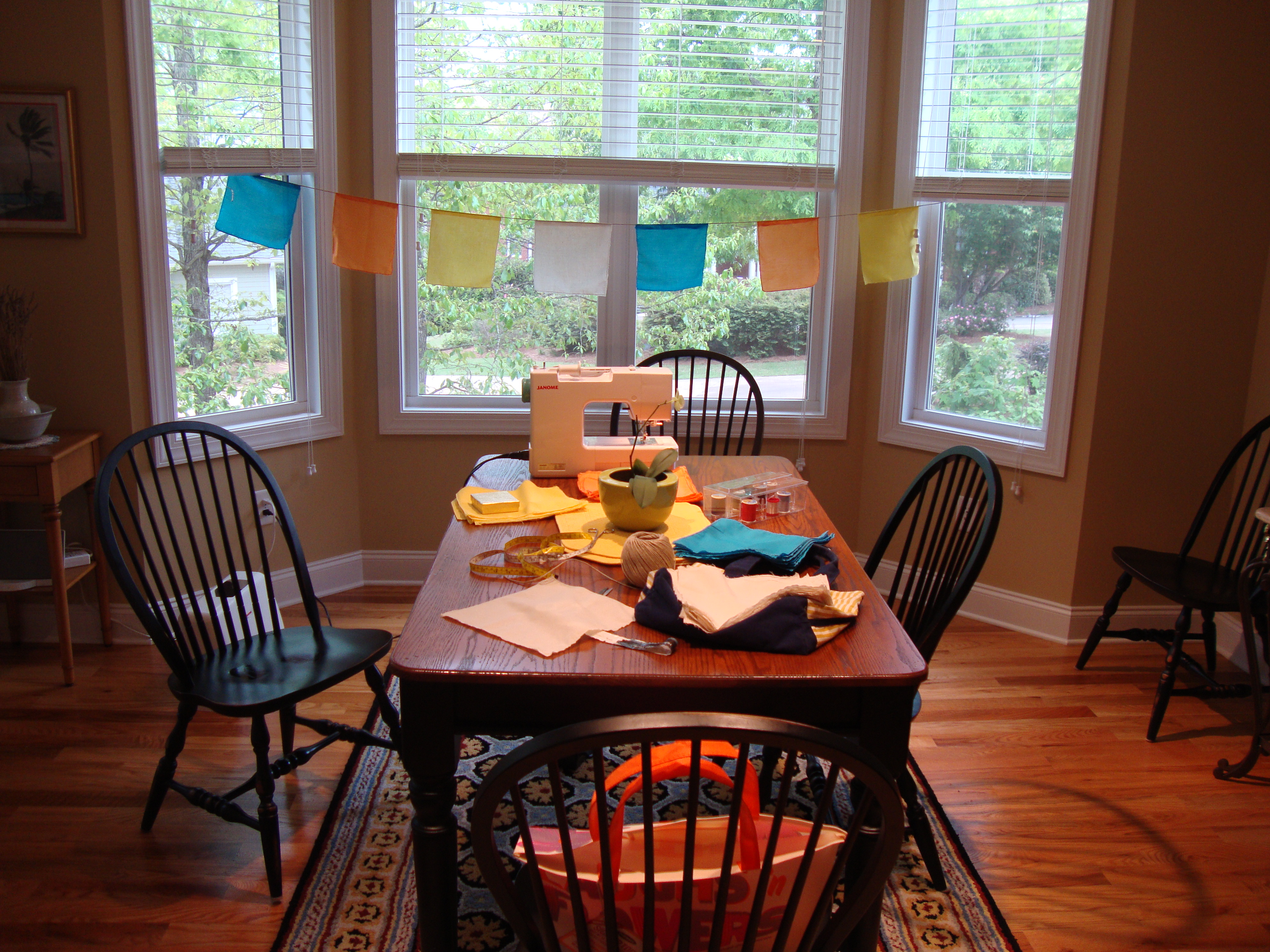
So with a sewing machine finally in my procession, I told myself that this summer was going to be the season. No matter how many tests and trials it would take, I am going to make a quilt. But before I bought any batting, I did a lot of research. I got books from the library, watched YouTube videos, but it was a magazine my mom bought me that finally made everything click. I am a complete newbie to quilting, so I realized I needed to follow some sort of pattern. I found this brick style quilt in that magazine, and with a few alterations to their plan, I had one of my own in the making.

Quilt Making (Part 1): Picking and Cutting Fabric

I quickly learned that quilting can be expensive if you plan to purchase all your fabric. So I embraced the patchwork idea by using scraps I had leftover. Plus I went to 3 different fabric stores to dig through their scrap fabric bins. The only fabric I really spent money on was a couple fat squares of fabric (basically packaged scrap pieces, all measuring around 18×22 inches). Usually priced around $1.99, but I found a store that had them on sale for 99 cent.

None of my fabrics “match” but I chose subtle, muted prints to make sure that nothing clashes.
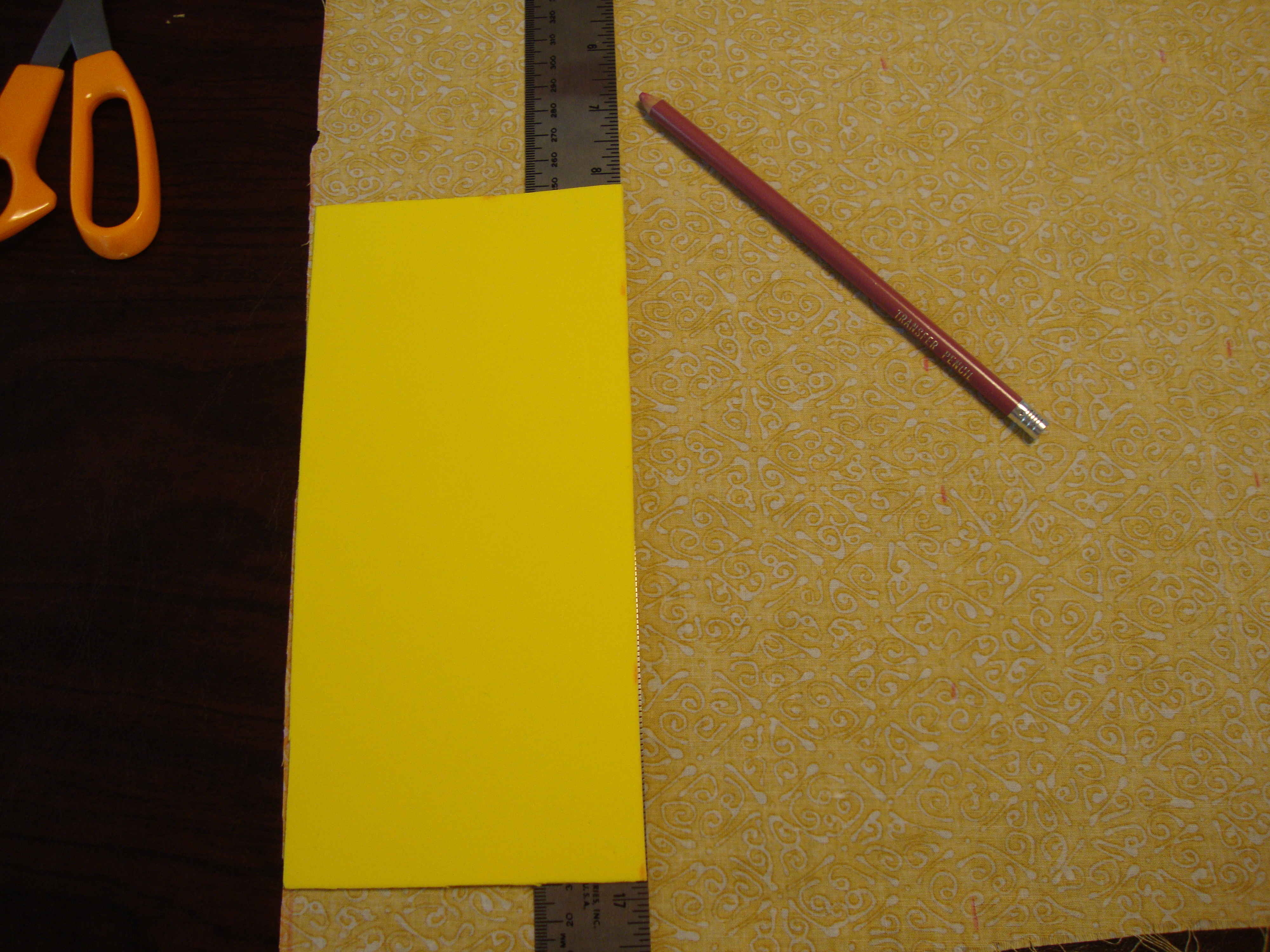
For my brick style quilt, I cut 4×8.5 inch rectangles. I started off measuring and cutting with a ruler, but it just took too long. So I got smart and made a template. It definitely sped the process along.

Once I had all the rectangles cut out, I began layout out the pieces and mapping out my quilt. (I did this 4 rows at a time. Mapping them out and then sewing it together.)
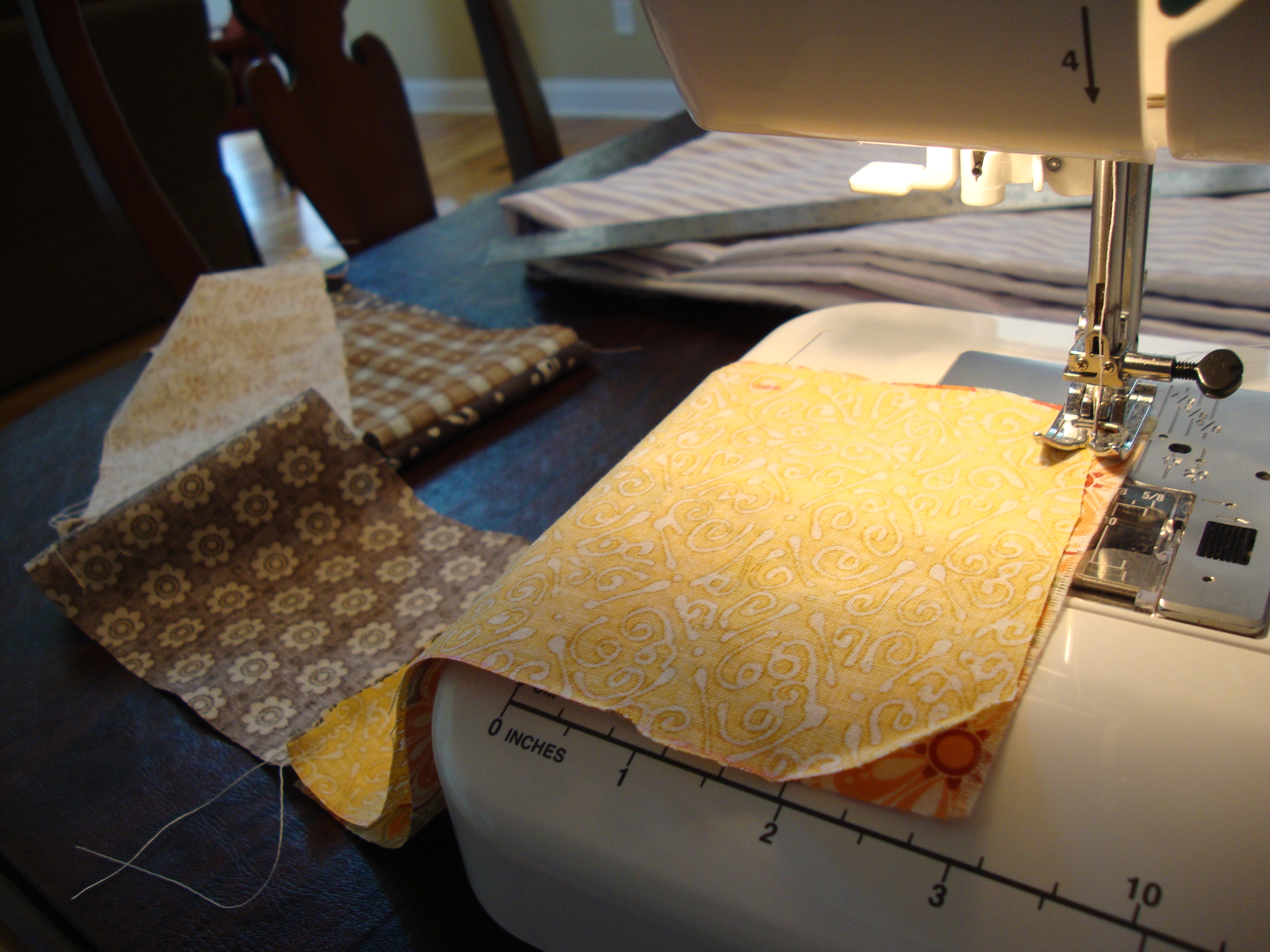
Sewing them together is simple. Simply use a straight stitch to sew together the rows and iron down the seams.
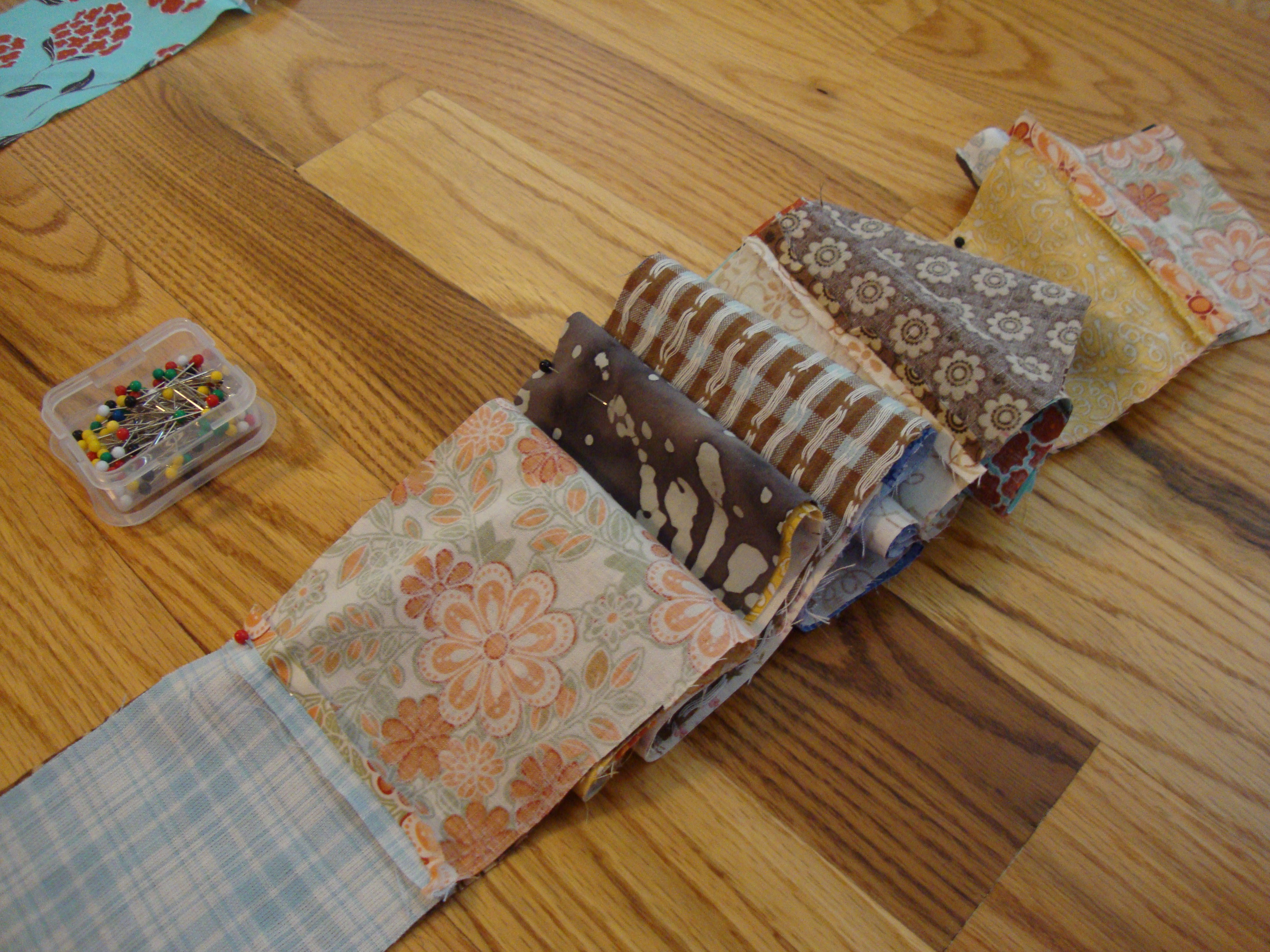
Once the row is established, you can start pinning and sewing the rows together (using a straight stitch) and start growing the quilt vertically.

And with that, you and I are off to a great start.

A place for the knife, fork and spoon

One day, my Mom and I were walking around stores in downtown Homewood and found these place mats made out of burlap. Of course, I looked at them and thought the price tag was way too high when I could easily make it myself. So I stored that idea and pulled it out for this past Mother’s Day.

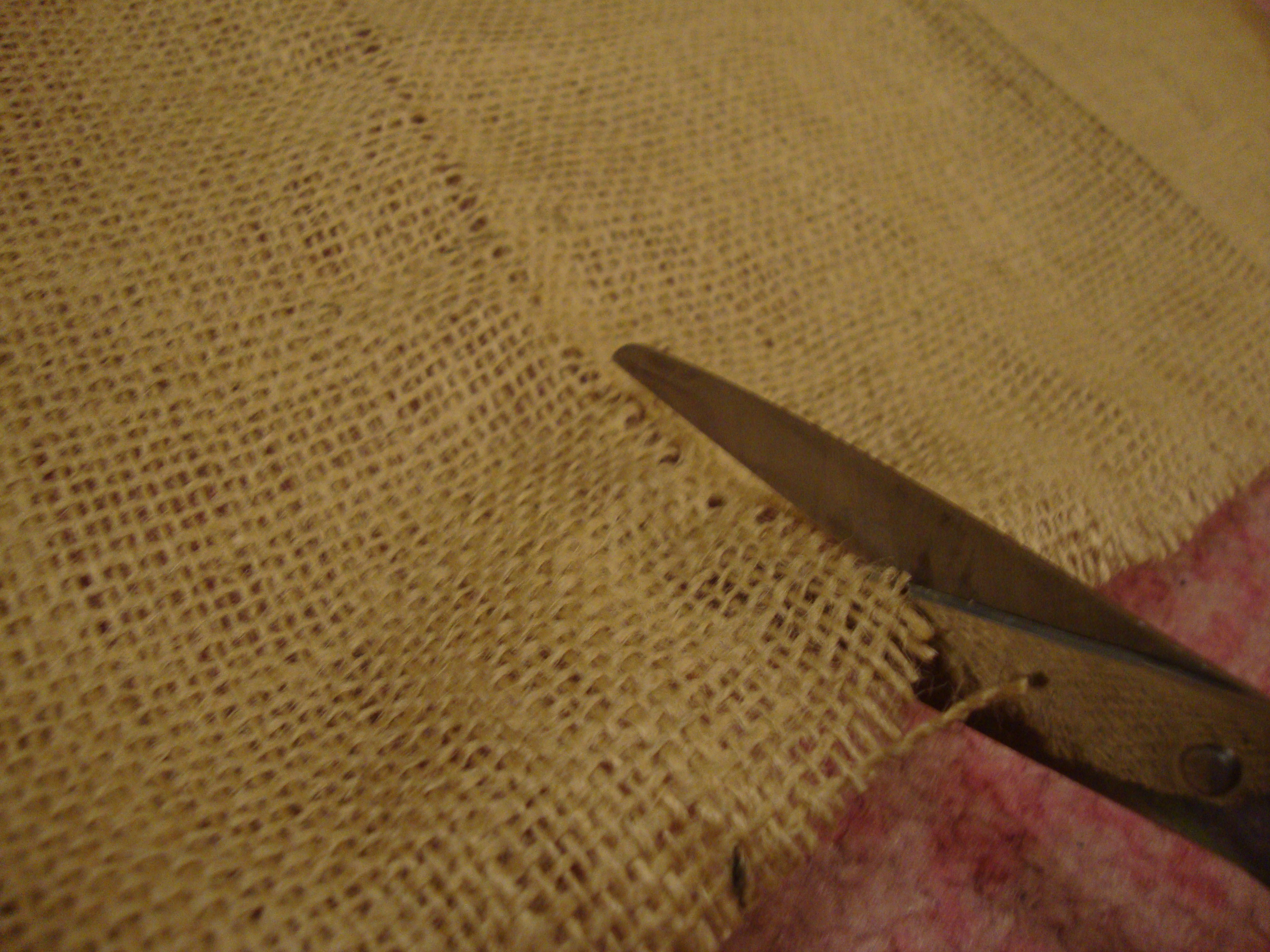
Thanks to a very informative trip to JoAnn Fabrics one day, I finally learned the easiest way to cut burlap. (see technique here)


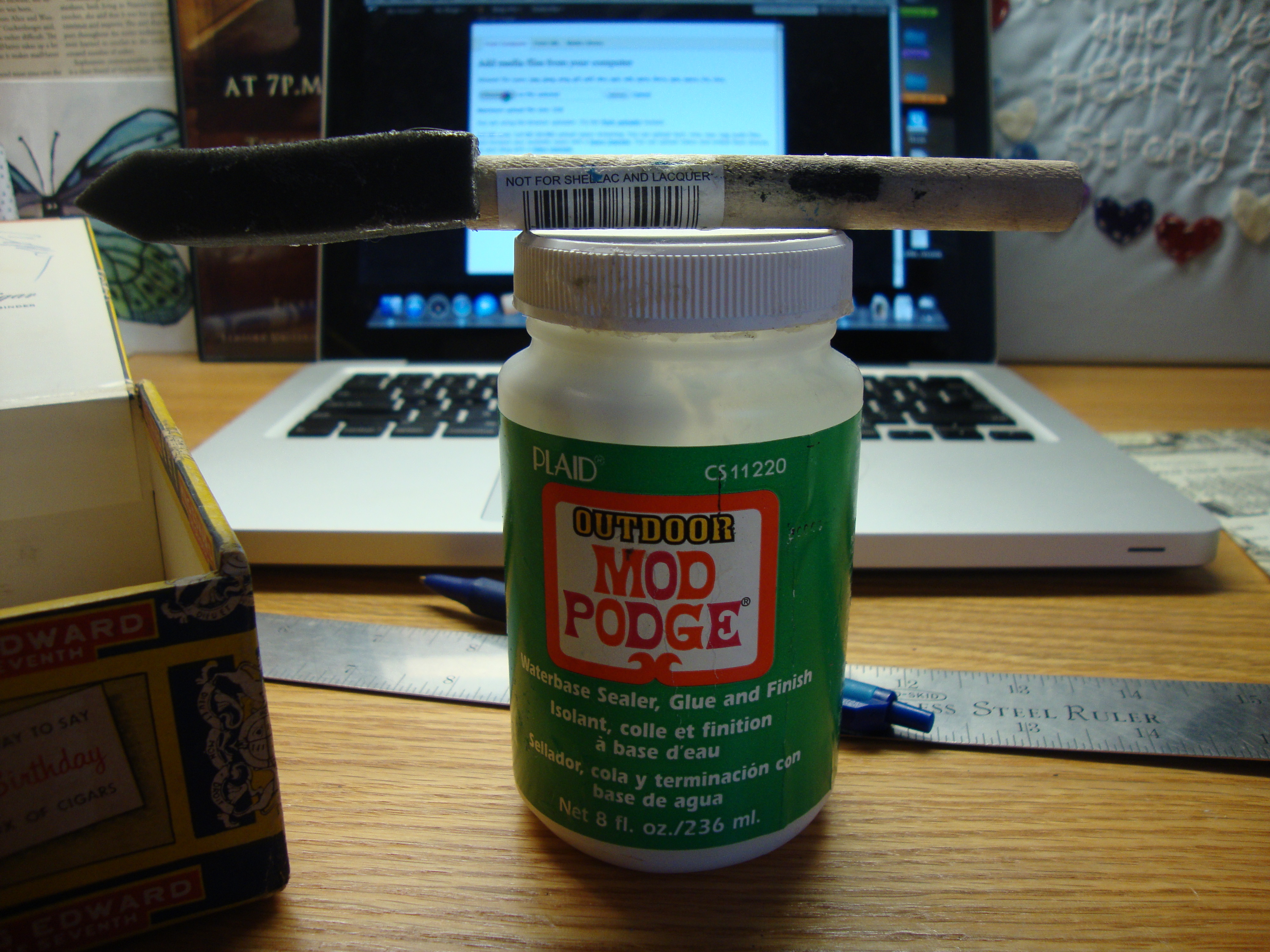
For the place mats, I cut a 15×20 inch rectangle. Once cut, I wanted to create a frilled edge, so I peeled away a few strings (about an inch along the edge). But then to make sure the edge wouldn’t continue to unravel past the point I wanted, I used ModPodge to secure the edge.

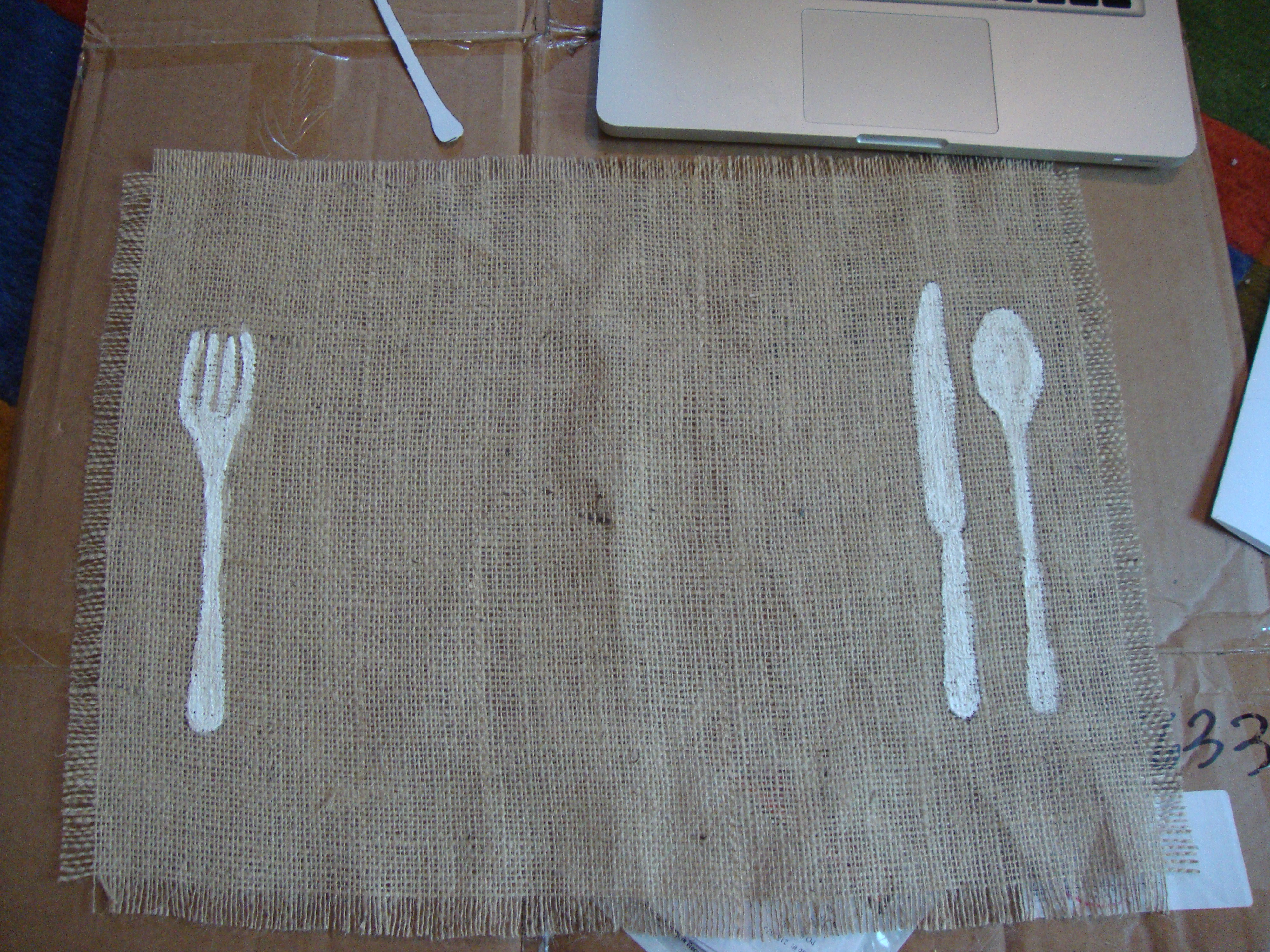
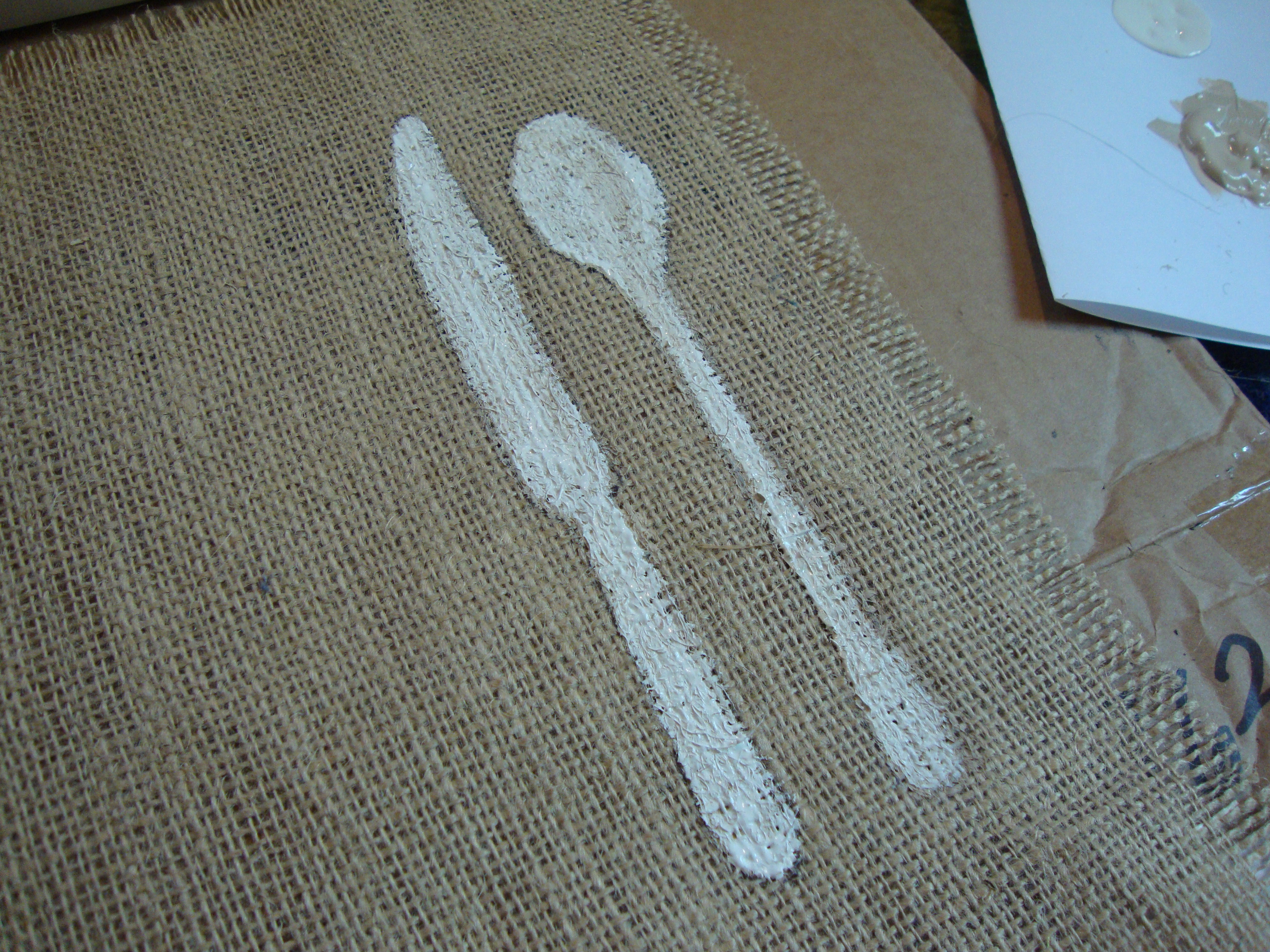
The place mat I saw in the store had painted on two parentheses, as so that they would surround the plate. I liked this idea a lot, but I didn’t want to flat out copy the place mat I saw in the store, so I decided to change up the design using the basics – the knife, fork and spoon. I cut out a template first out of basic computer paper and used a sharpie to outline the design on the burlap.

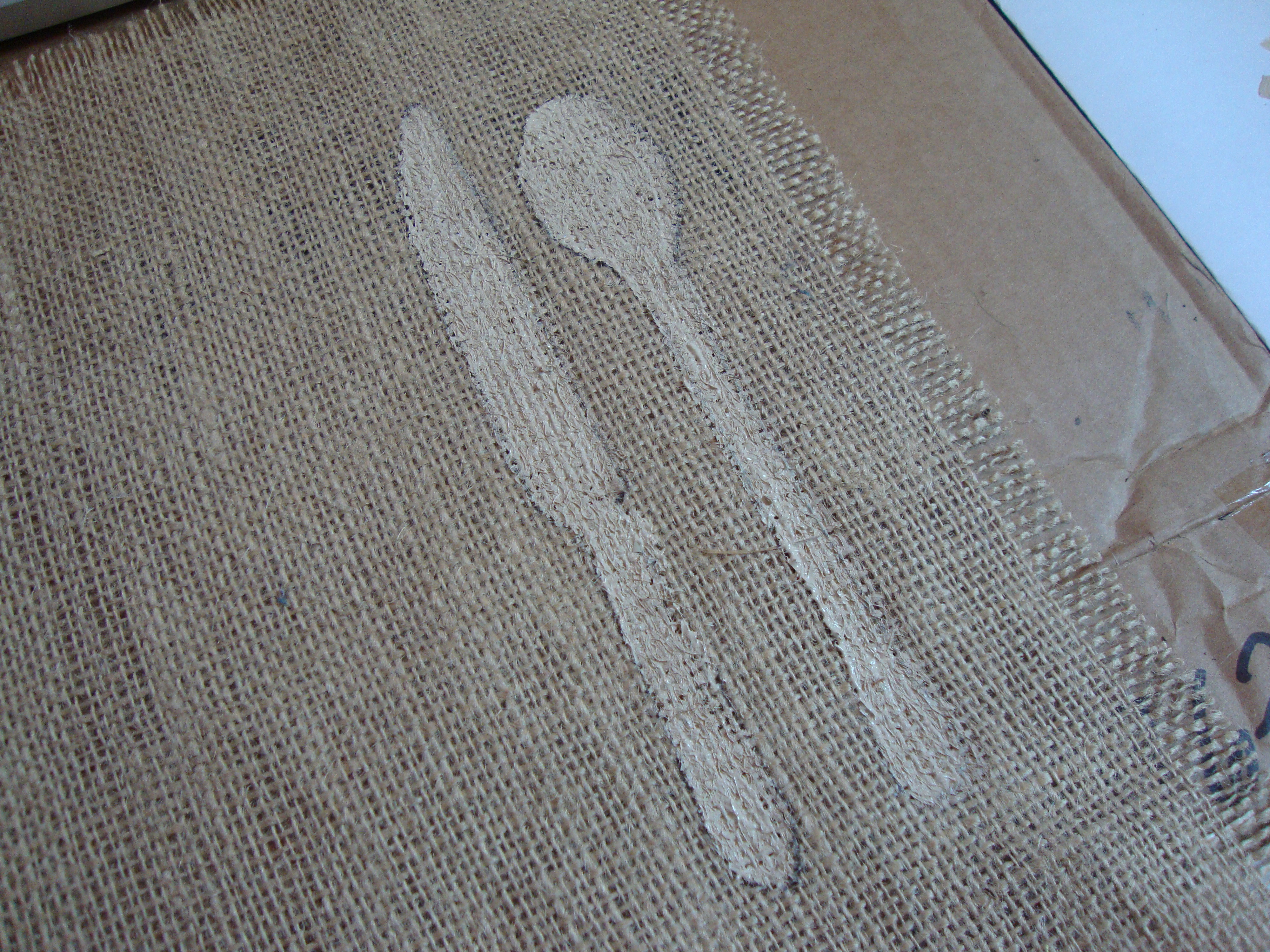
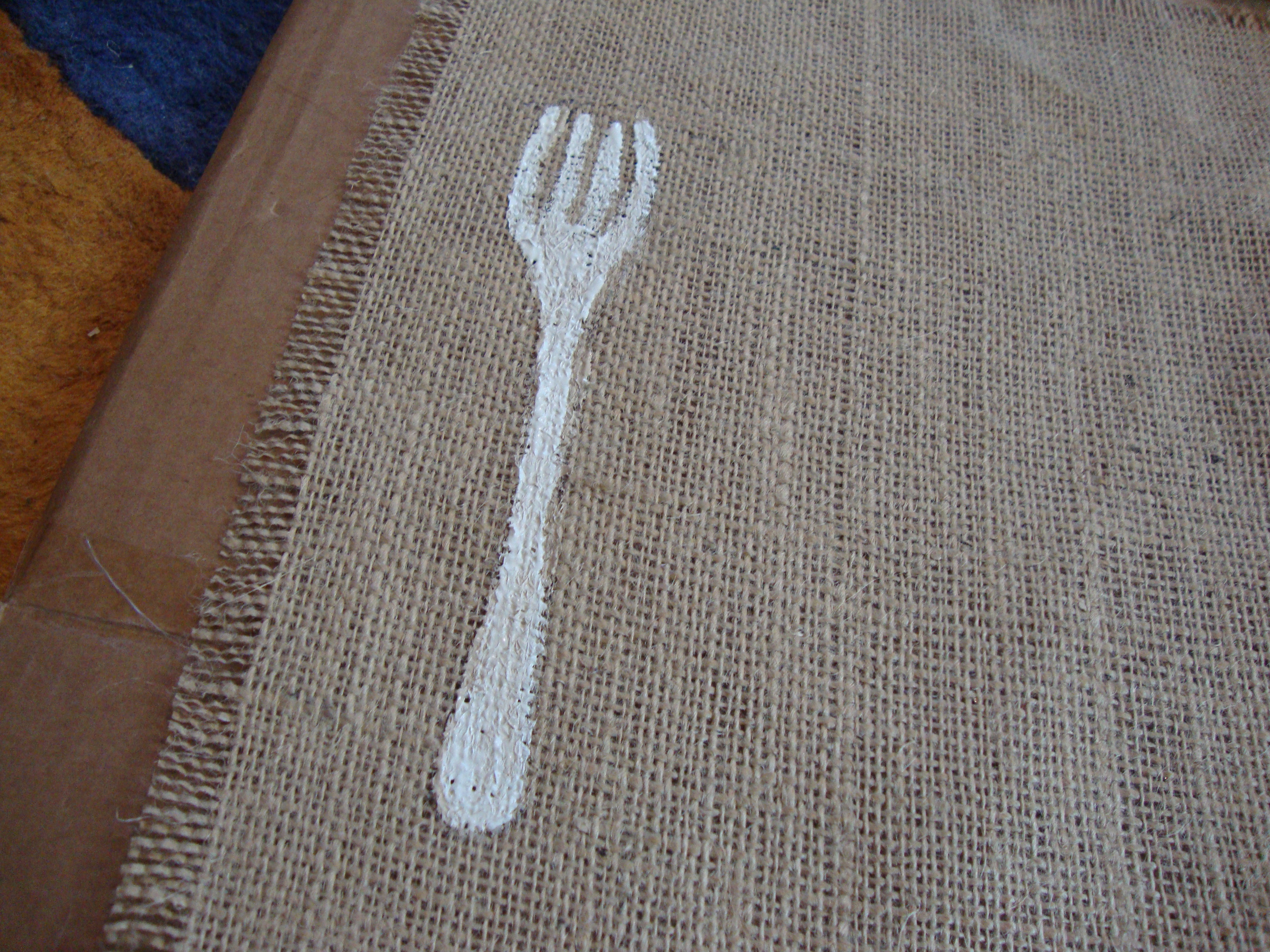
Then I simply painted over the template I made. I started with layer of paint that was very similar in color with the burlap (thinking that if I didn’t like it, the mistake could easily blend in). Then I added a second layer using a bright white paint.

Which brings us to the finished product…


Style Your Sole

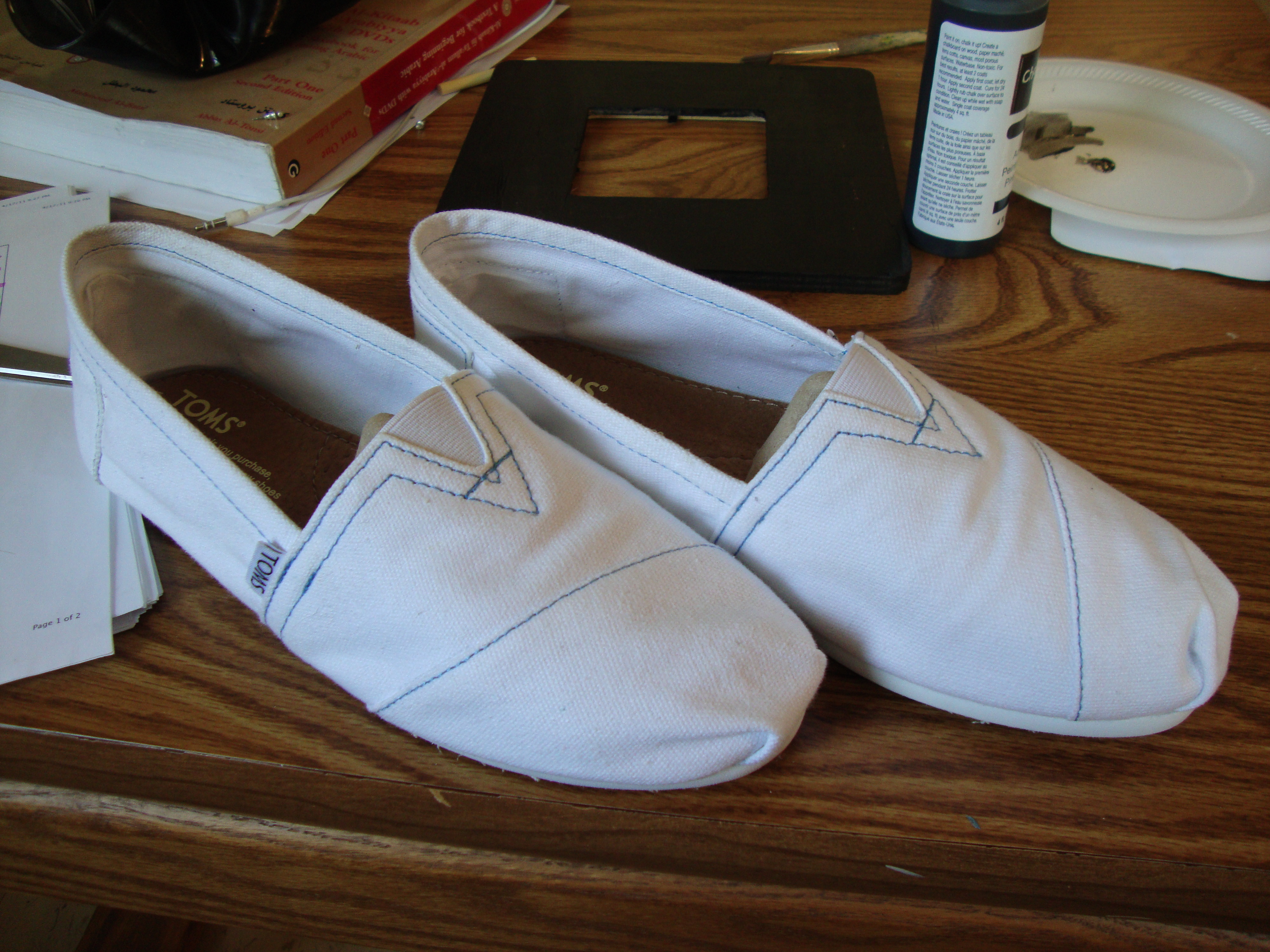
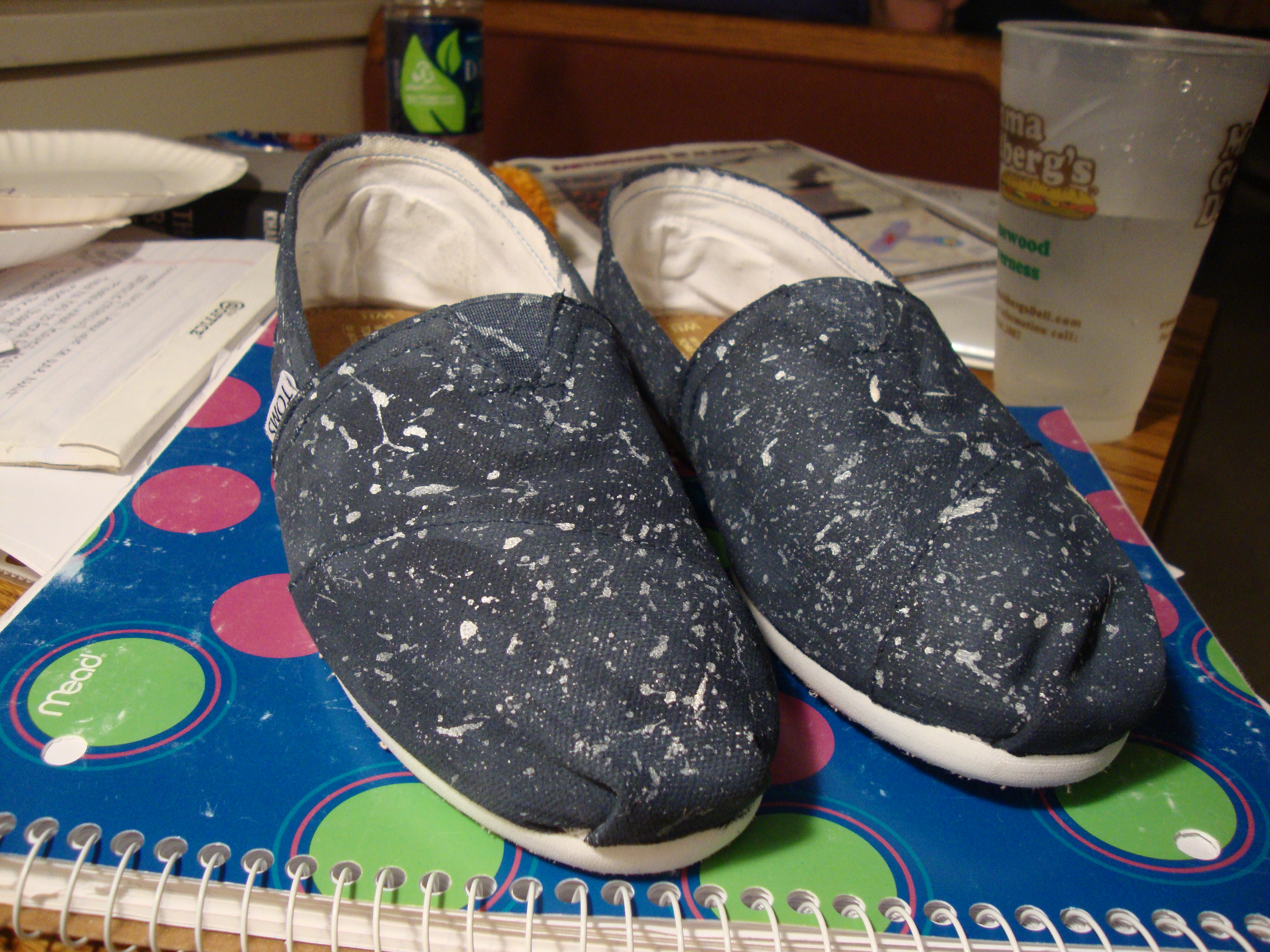
As a part of Spring Fling, SAC hosted a Toms Style Your Sole party. An event where people could pre-order a pair of white, canvas Toms, and then pick them up and decorate them on the night of the event. It was a huge success. We sold 150 pairs of shoes, and on the night of the event, people were creating some pretty amazing, customized shoes. Of course, I ordered a pair, but being way too busy, I simply let them sit on my desk… until tonight.

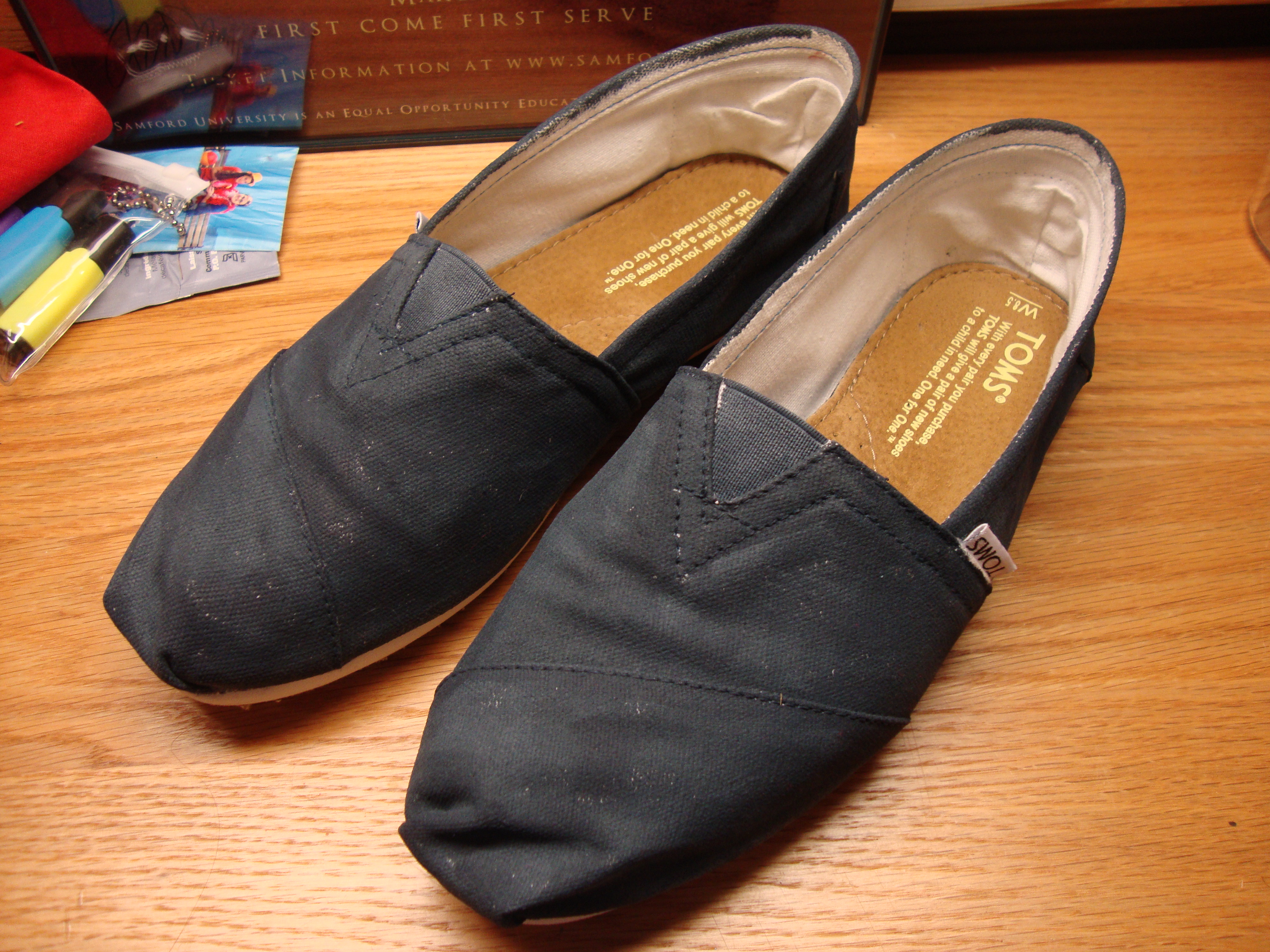
Ta da! I feel like it would be no surprise that I chose a stars/constellation theme. And I am so excited in how they turned out.

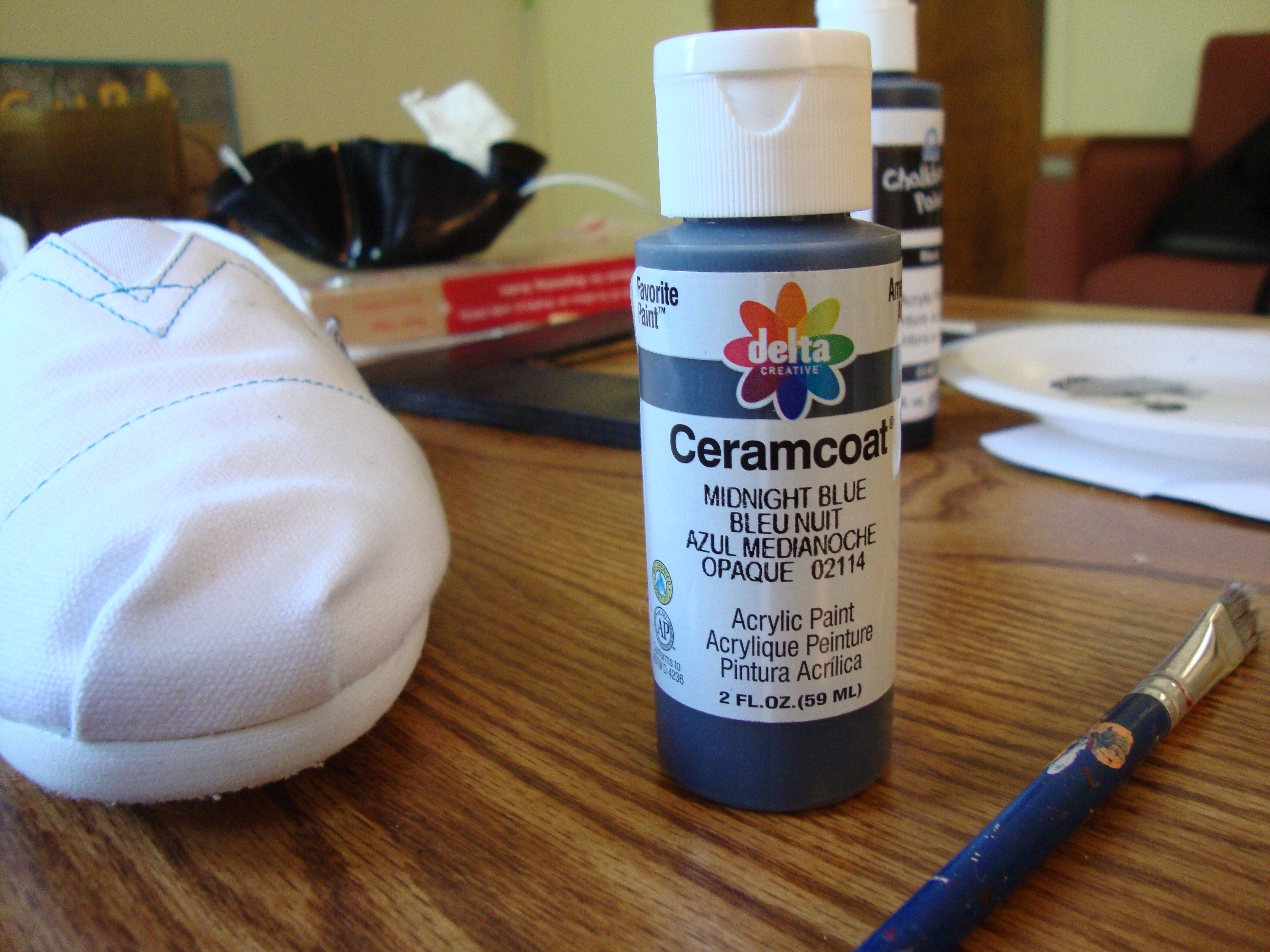
Step one – get rid of all the white. And how appropriate that the color was called “Midnight Blue.”

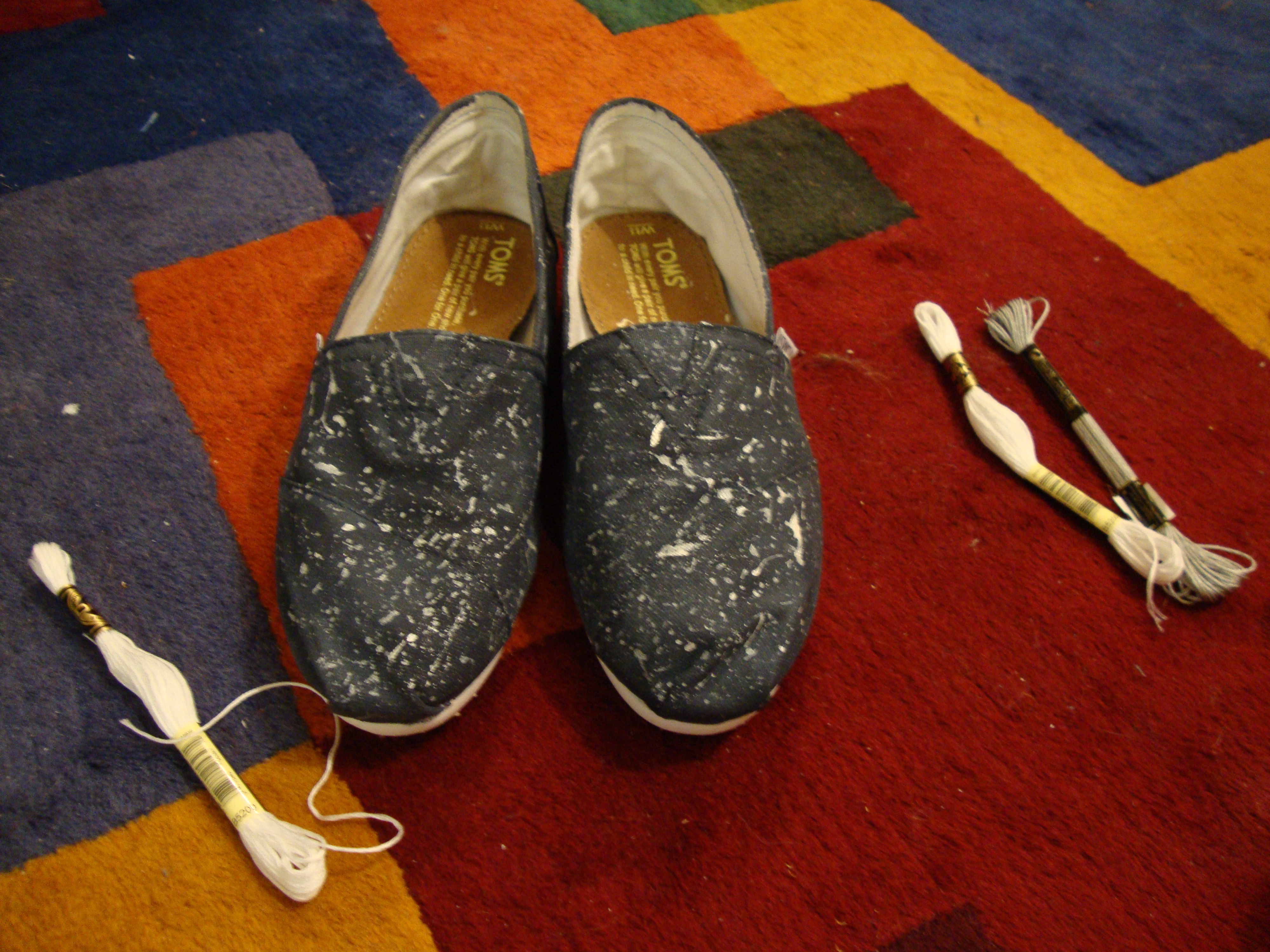
Step two – splatter paint. I used this to create the effect of the millions of stars that are out there in the universe. For the color, I chose a silver, metallic paint.

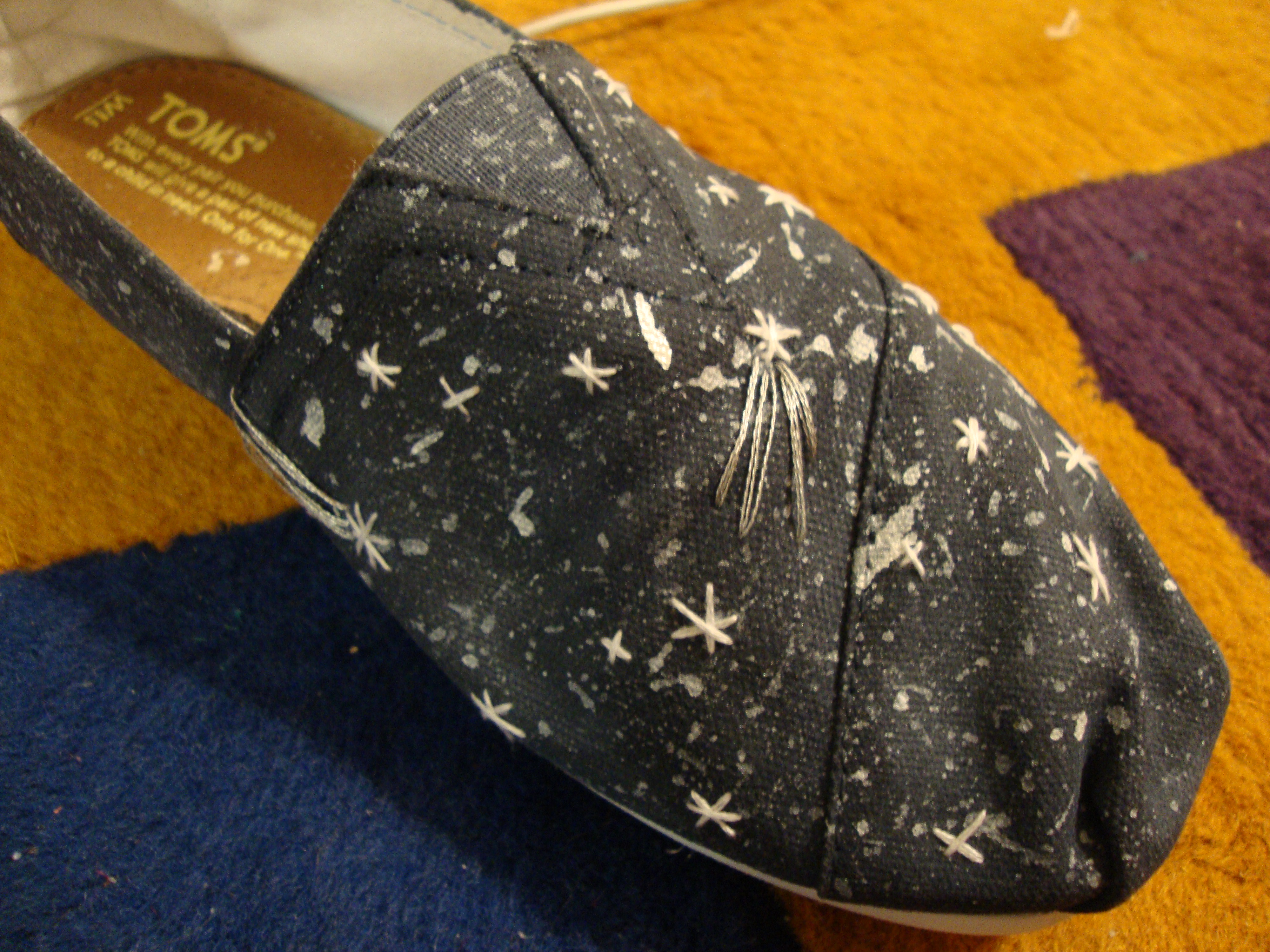
Step three – embroider the stars. On the left shoe, I keep it simple by adding stars here and there (with a shooting star, of course). And then the right shoe highlighted the Orion constellation (one of my favorites).


I am simply obsessed with them!

Flags of Spring

I stand by the fact that the easiest decorations for a party/event are flags. Last week was THE Samford event I have been planning since the beginning of this year – Spring Fling. It is basically a week full of free food and activities for Samford students to enjoy. And being one of the people in charge or planning and executing the event, I will admit, I made sure it had my signature on it.

The project was really simple. At Walmart, I purchased packs of spring colored cotton fabric. I cut them into squares, trying to keep the sizes consistent. Once cut out, I used the overcast stitch around the edges, simply to make sure the fabric wouldn’t unravel in the wind.

Then I took basic twine, purchased again from Walmart, and sewed the flag and the twine in place using my zipper foot.

I was lucky enough to work on this project mostly at home – where my work space is much more spacious, but this project is simple enough that I could have easily pulled it off in the small confines of my dorm room.

Simple and beautiful!

So close to summer

My apologies for appearing to have disappeared from the face of this earth. With school work, Spring Fling (pictures to come) and now the final days before final exams, I have barely anytime to craft, let only post what I make. But once I survive these next 2 weeks, I will have the entire summer to execute all the ideas that have been floating through my head all month. One being the idea of spending an entire day painting. With that said, I leave you with a painting I did last summer

And so the countdown begins…

Sweet Honey Pillow

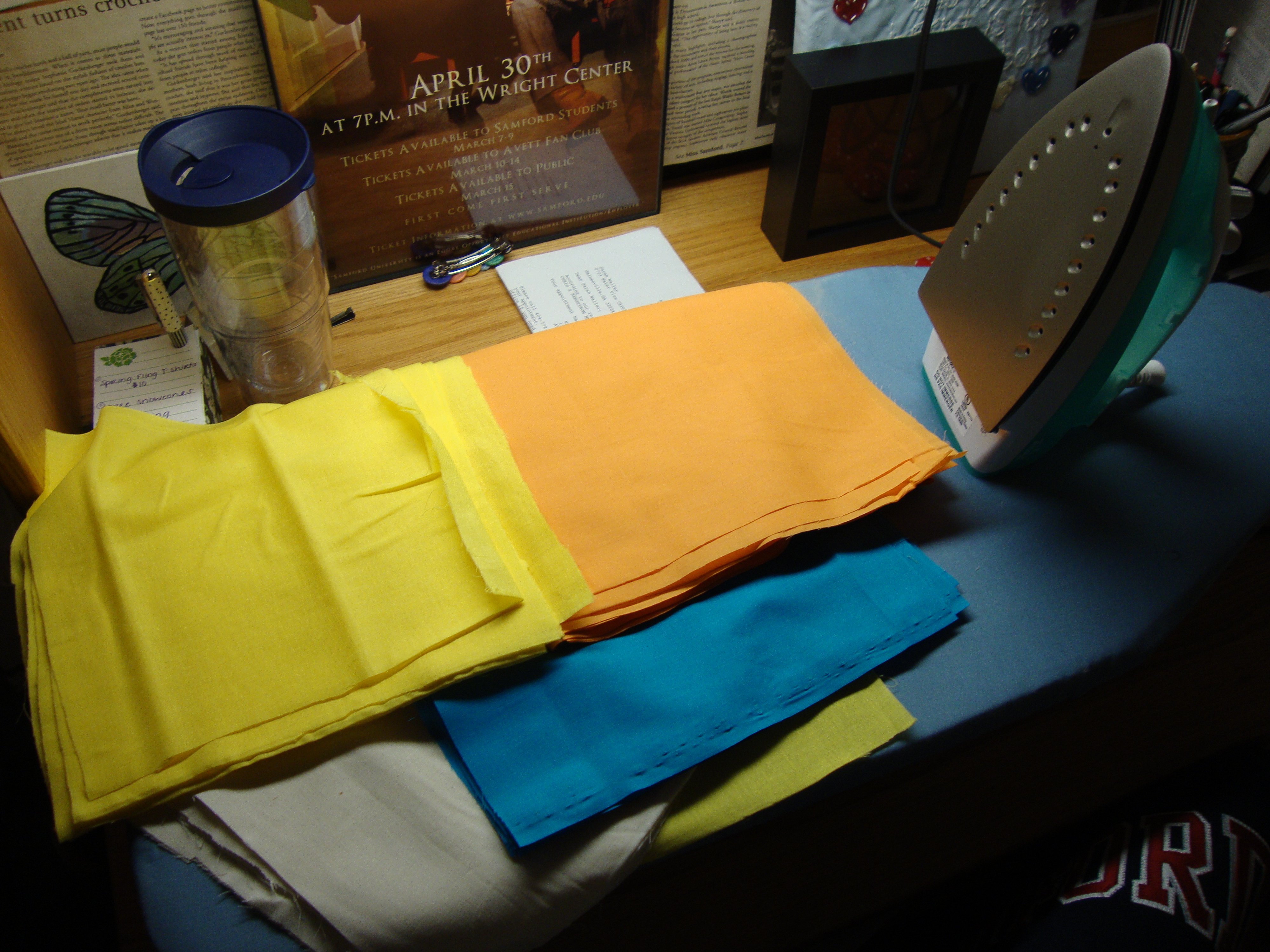
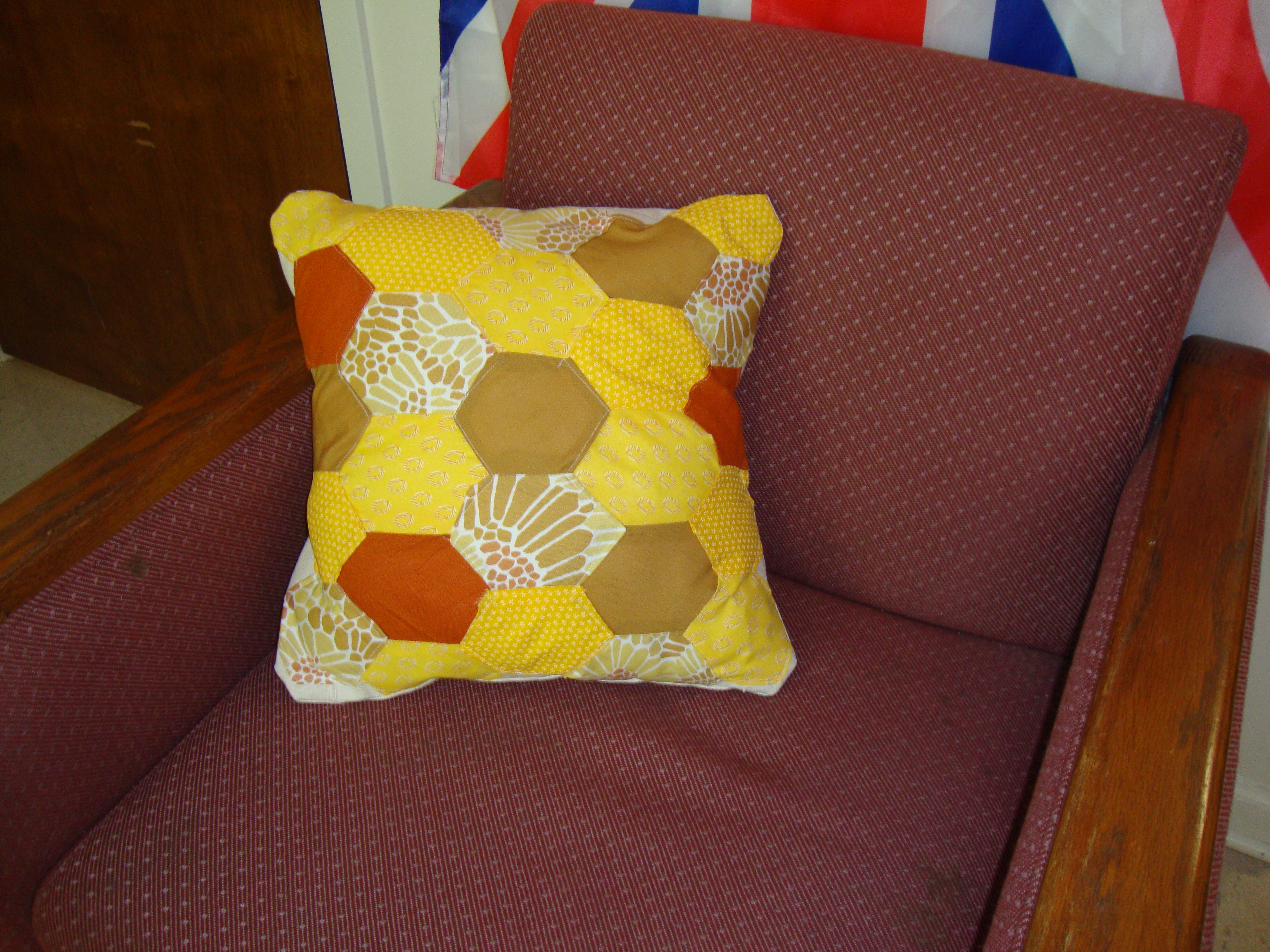
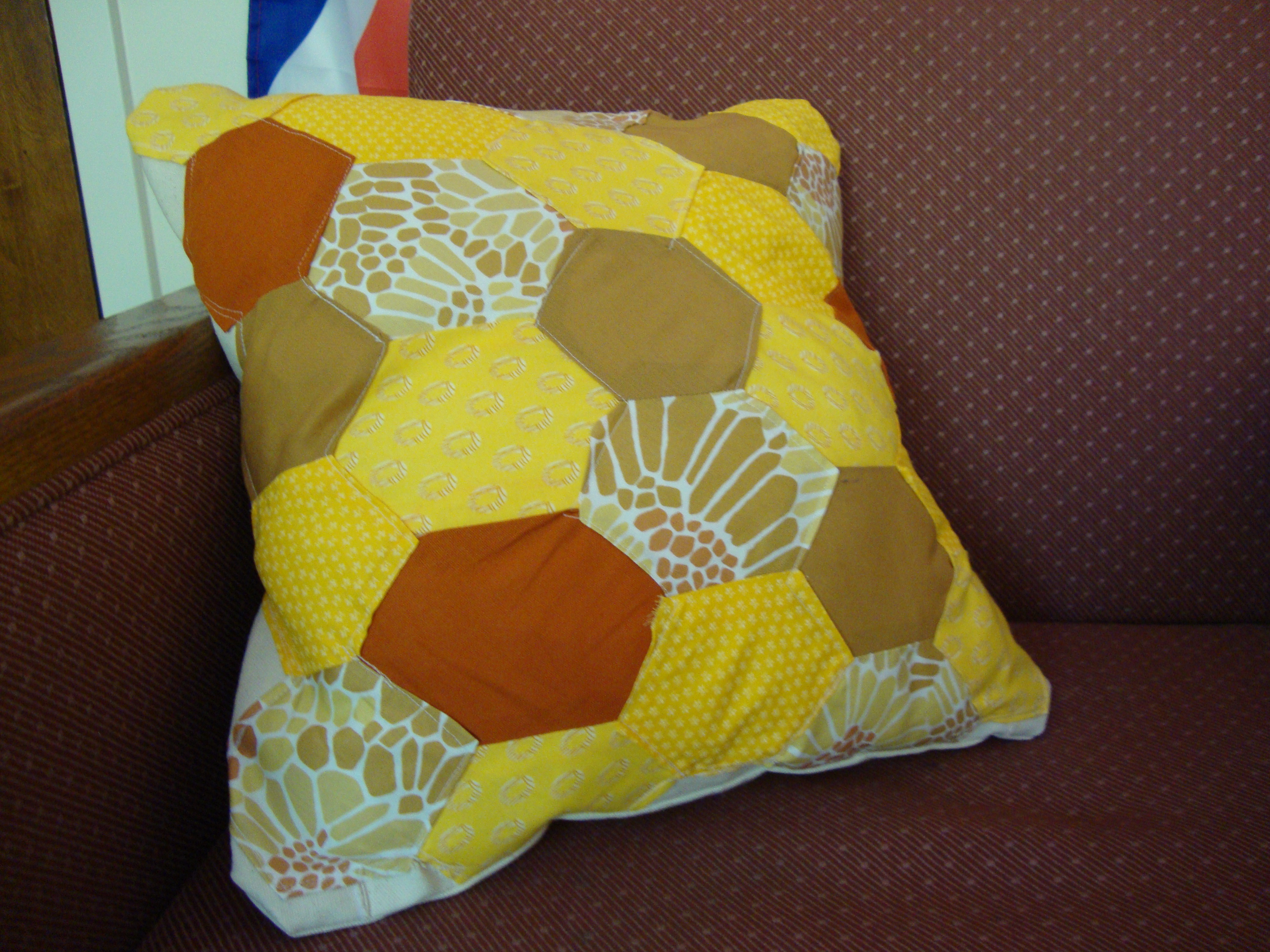
As the heat rises for the approaching summer, I couldn’t help but be inspired. I have been admiring quilts lately (with the goal of making one myself soon) and I stumbled across one made of hexagons. I instantly thought of honey bees, honey comb… and as you can see I got to work.

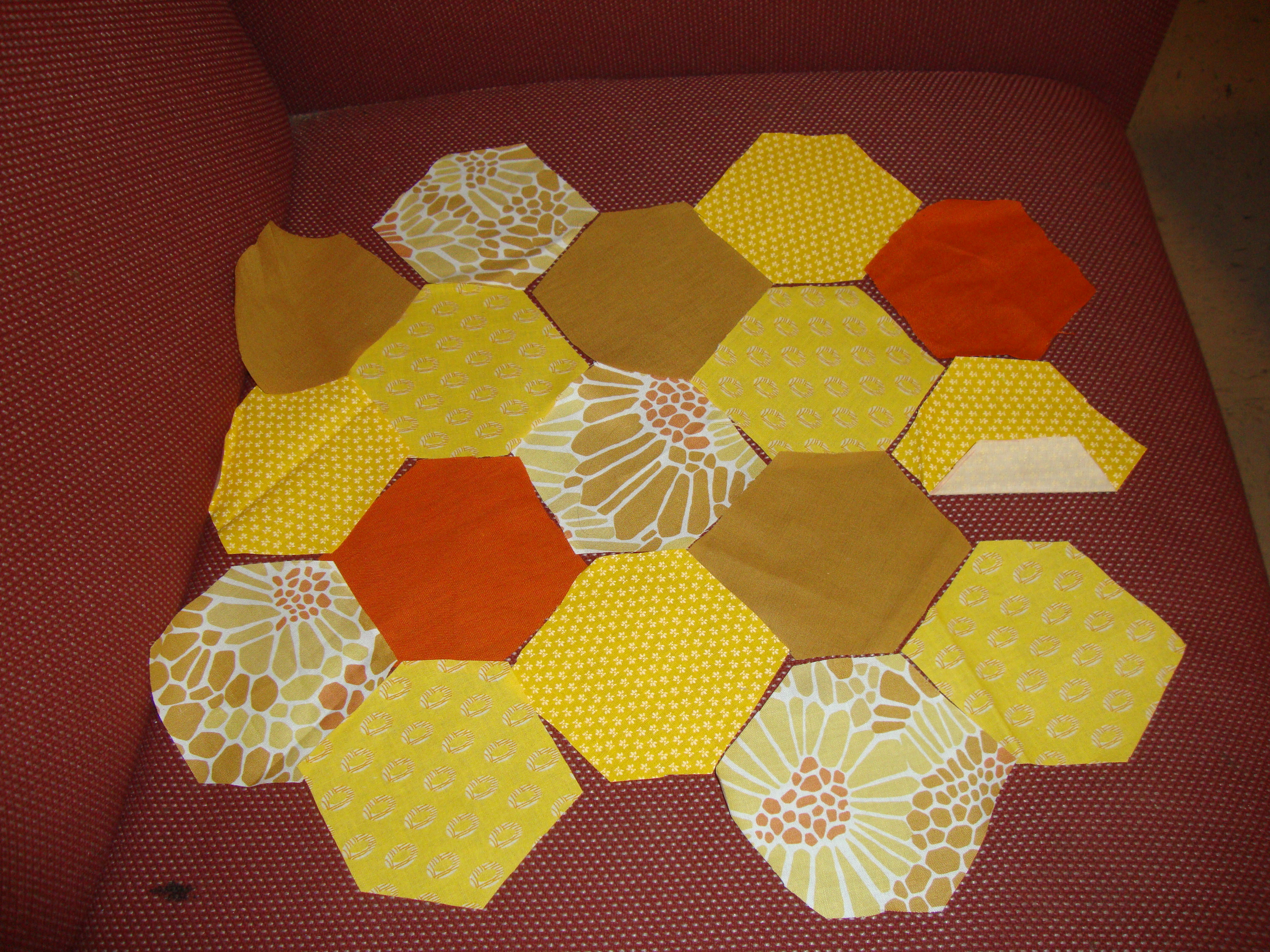
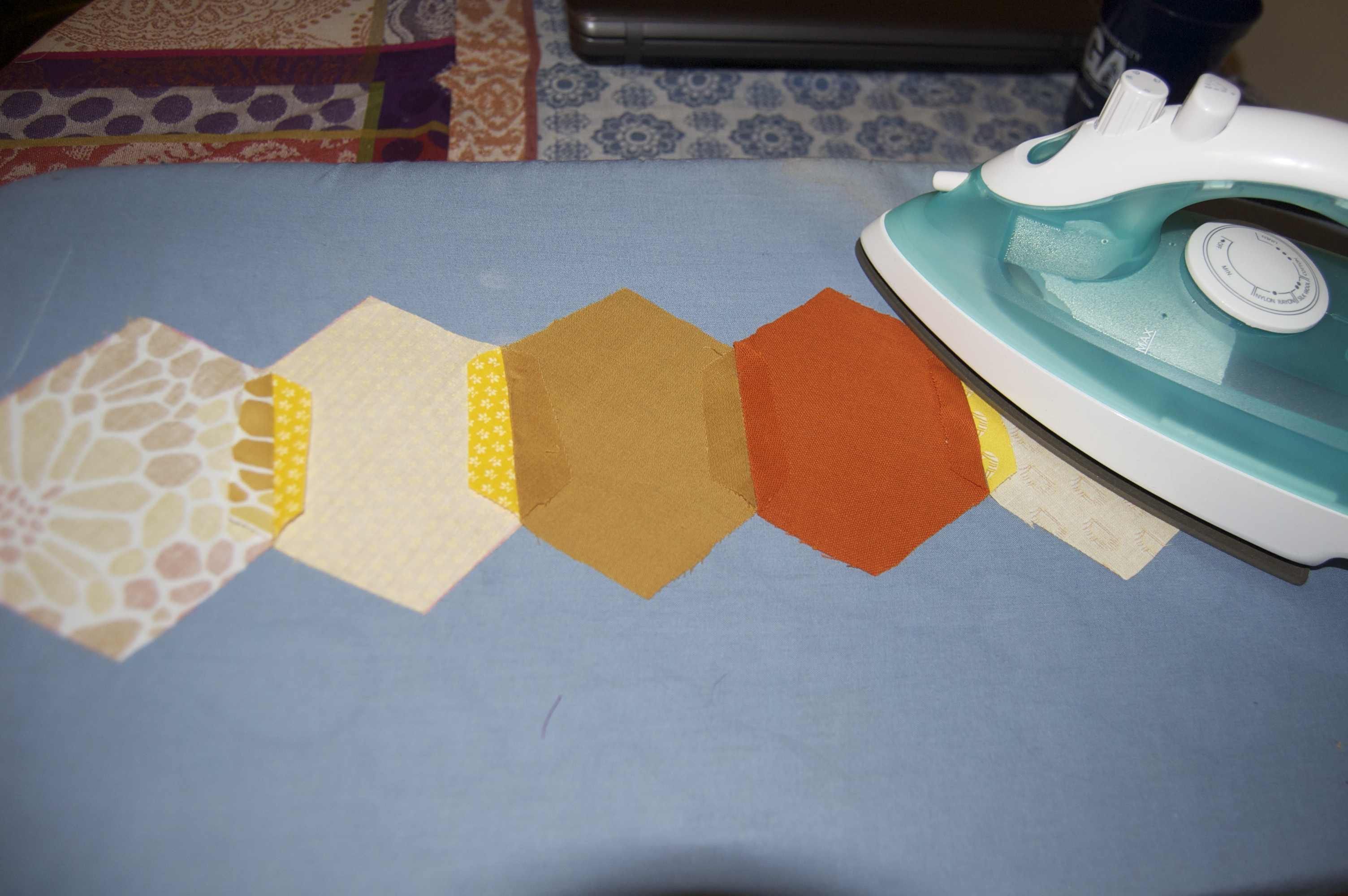
I measured and cut out my stencil (with a 1/2″ seam allowance) and gathered all the leftover yellow and orange fabric I had. And started cutting.

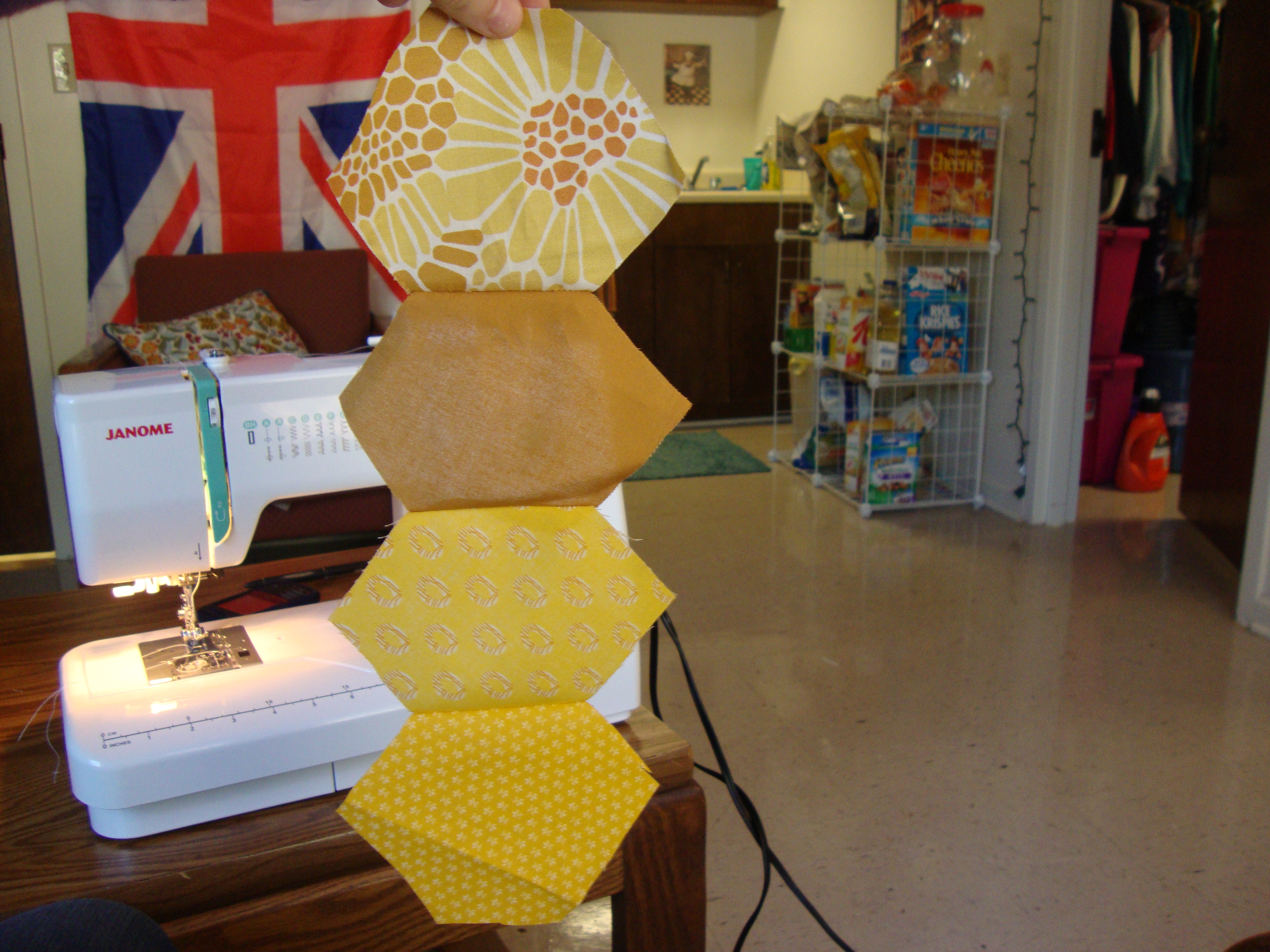
Once cut out, I laid out the pieces (I ended up having to add more pieces than pictured above) and I sewed together the columns.

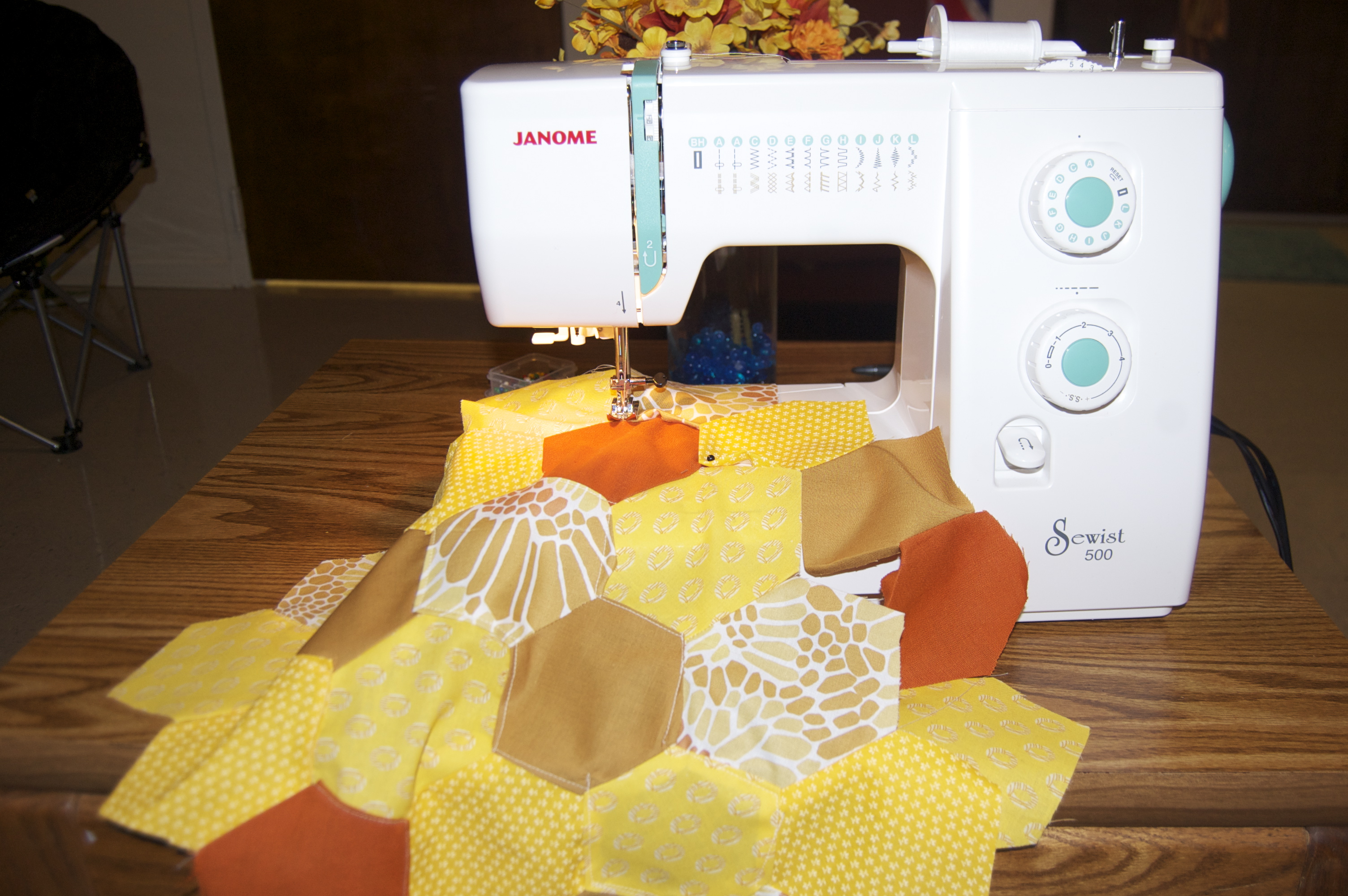
I wish I took a better picture of this next step, but basically what I did was layer the columns on top of each other (after ironing a seam on all sides) with the 1st row behind, 2nd row in front, 3rd row behind, etc. and sewed them together

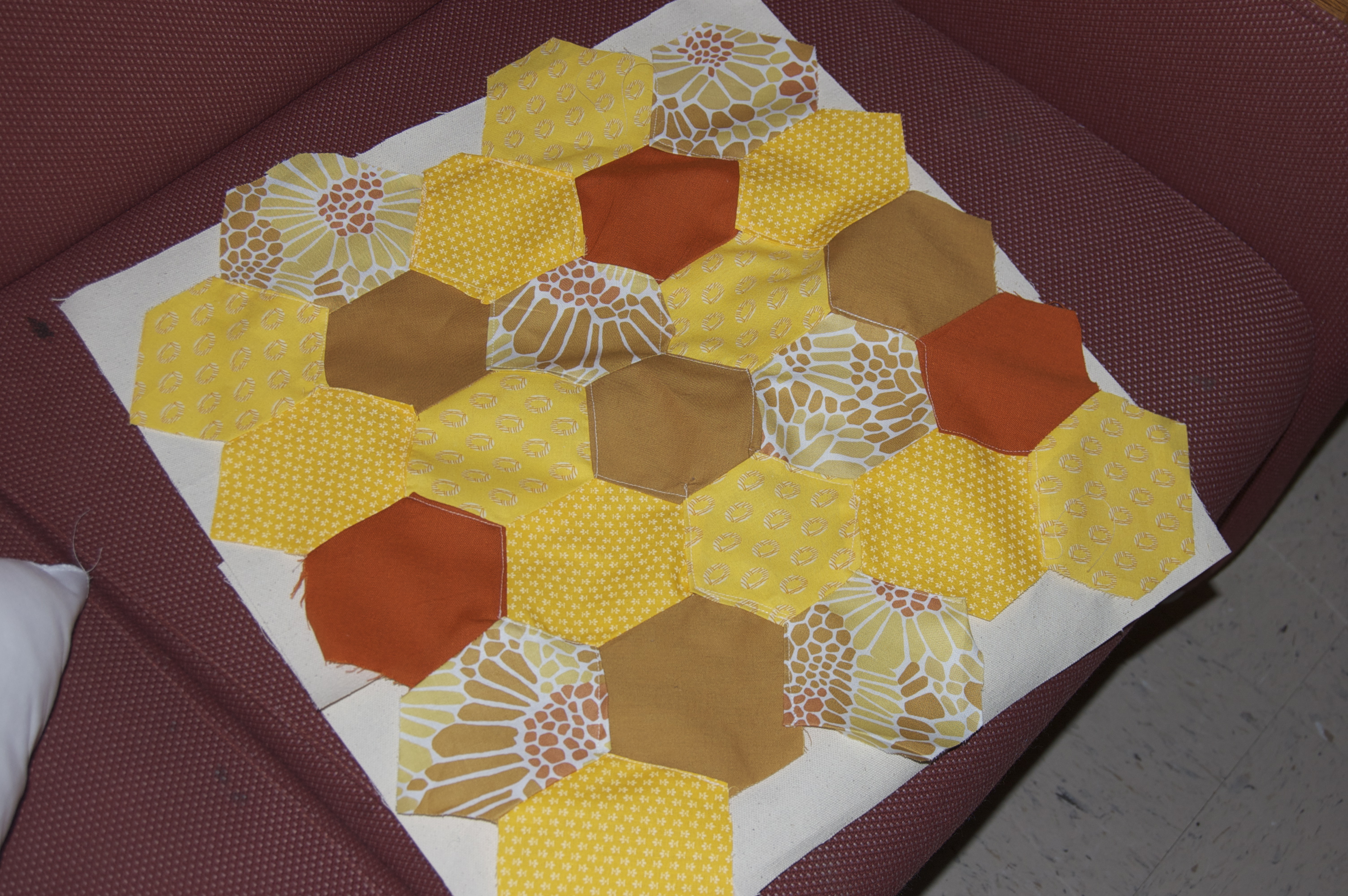
Once all the hexagons were sewed together it looked like this.

The square of hexagons weren’t enough to cover my 16×16 inch pillow form, so I took the canvas material I purchased for the back and four 2×17 inch long strips. These I pin together along the sides and then sewed along the hexagons’ edges to attach in place.

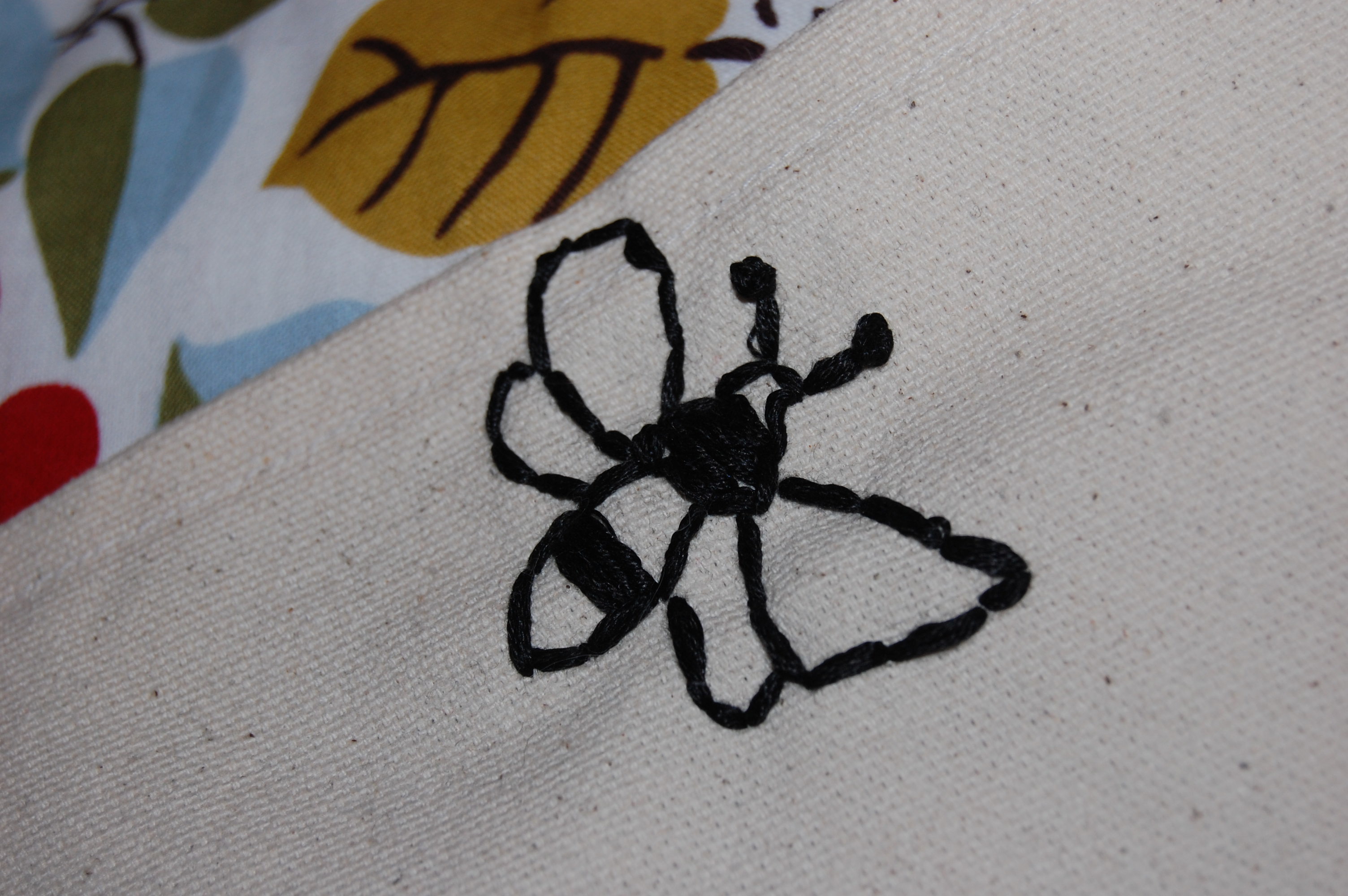
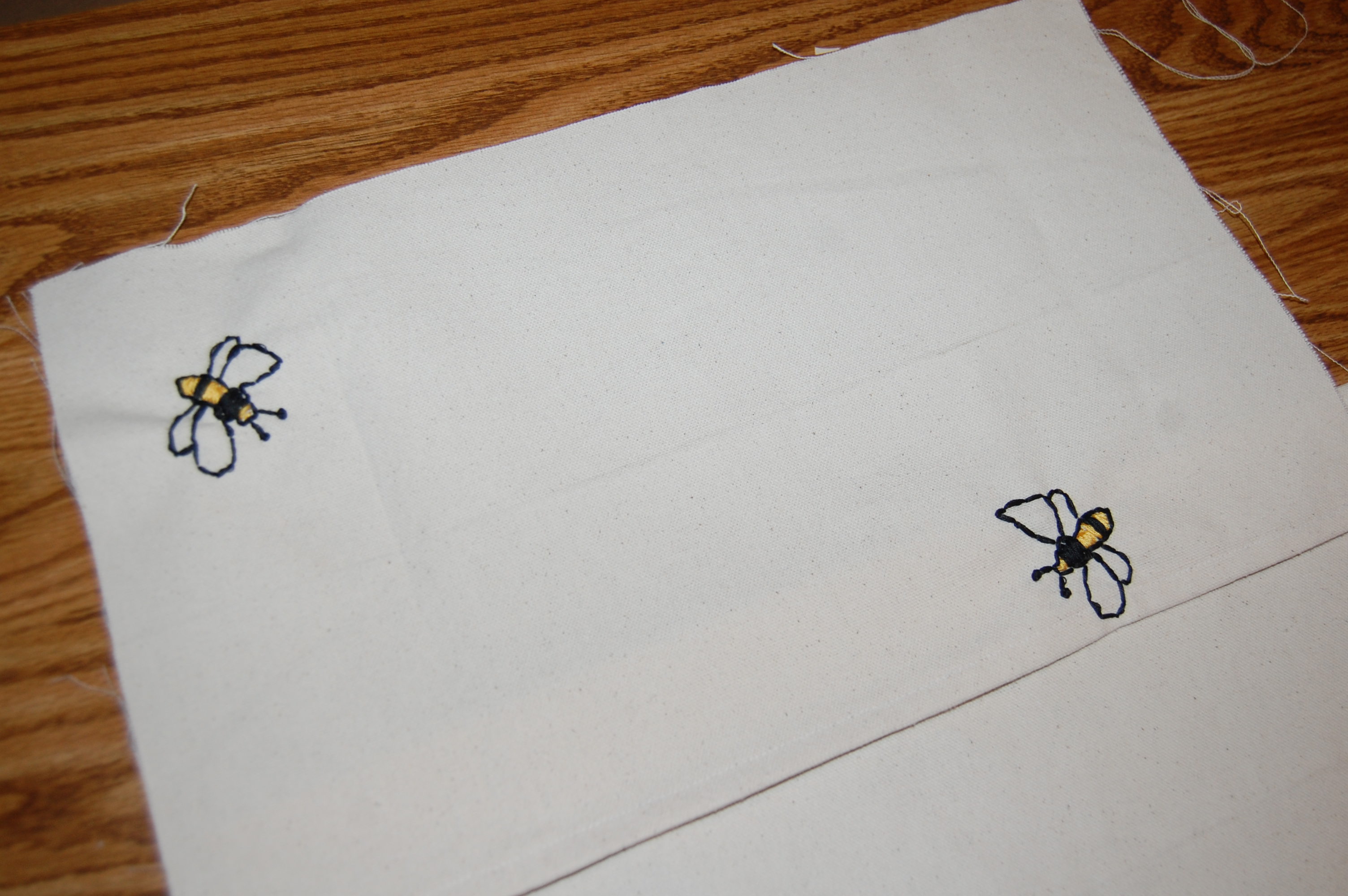
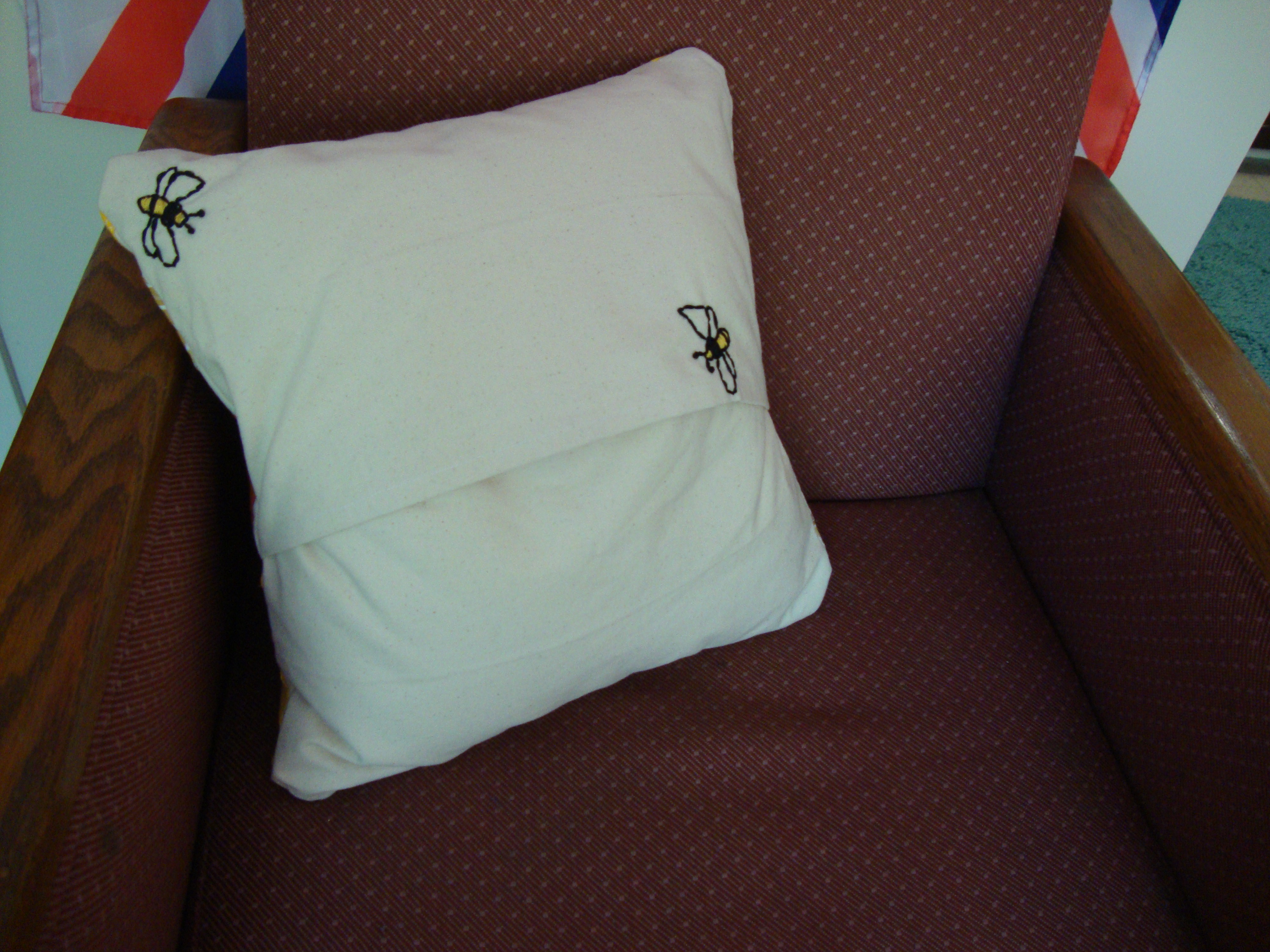
With that together, I started working on the back. Again for my 16×16 inch pillow form, I cut 2 12×17 inch rectangles to serve as my envelope back. And just in case people didn’t get the idea of honey bees from the front, I wanted to add a subtle hint by embroidering on some bees.

The final step was to sew it all together, with the right side always facing in. Simply layer the three pieces on top of each other and sew (with a 5/8 seam allowance) around all four edges. Cut off all the extra thread, flip it around, add the pillow form and pat yourself on the back for making a pretty adorable pillow!

The day I discovered Something on 2nd

I have lived in Birmingham for almost 2 years now, and when I told a friend that I had never been to Something on 2nd, she was shocked. And after spending 5 minutes in the place, I was mad at myself for not discovering it earlier. If you were like me and have never been, Something on 2nd is an antique store that is 3 stories of stuff – a lot of trinkets and things. I came away with, what I would call, some excellent finds. (1) A magic 8-ball (new favorite thing) and (2) an old cigar box – I hope you see where this is going.

+

=

The winning combination of this Modpodge project was the paper I found at Hobby Lobby. The inside paper especially!

I liked the idea of leaving it really simple on the outside – thinking that (as a treasure box) it could easily blend in and go undetected. But on the inside, I guess you could say, I just wanted to point its purpose to the right place.

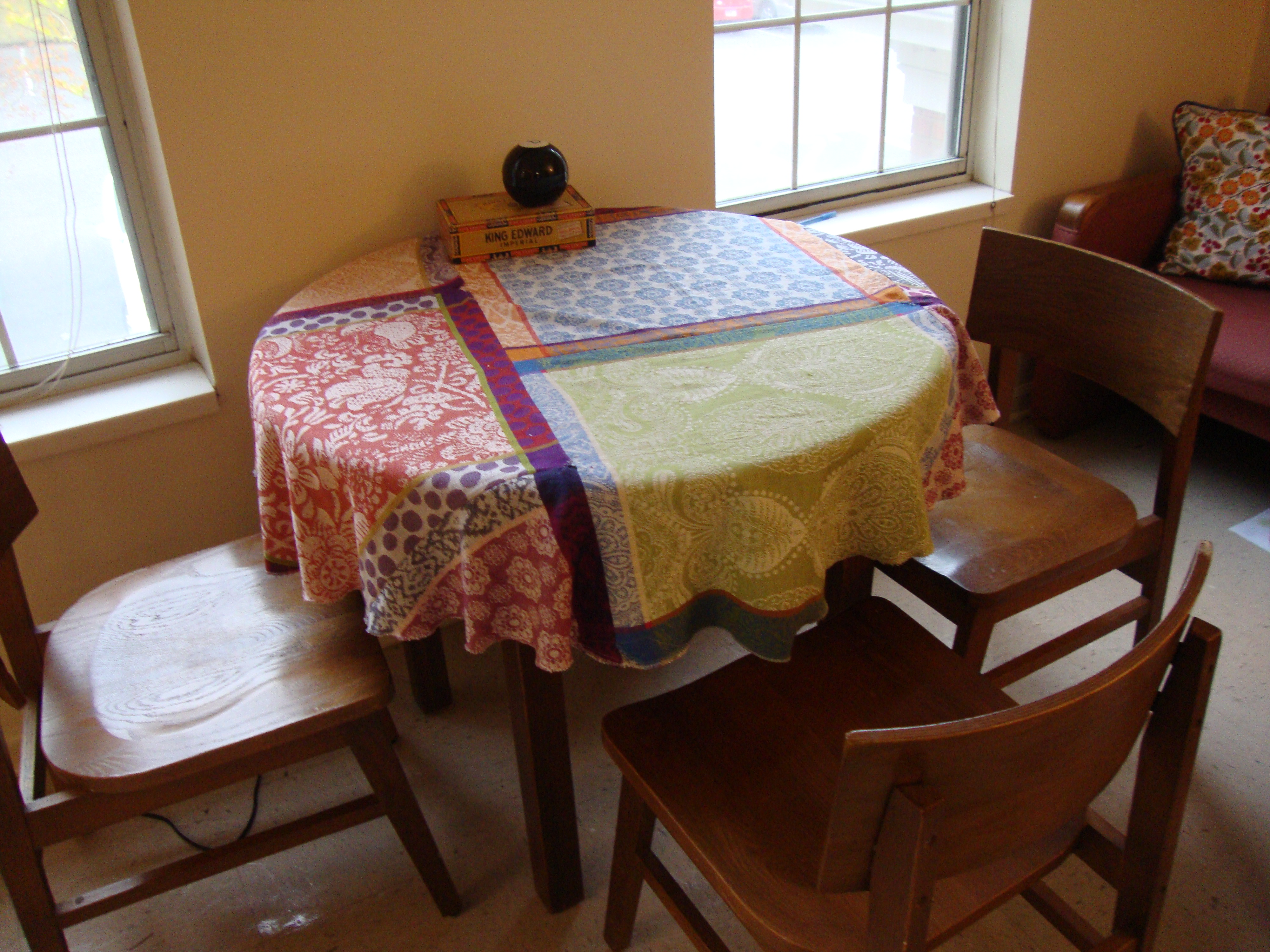
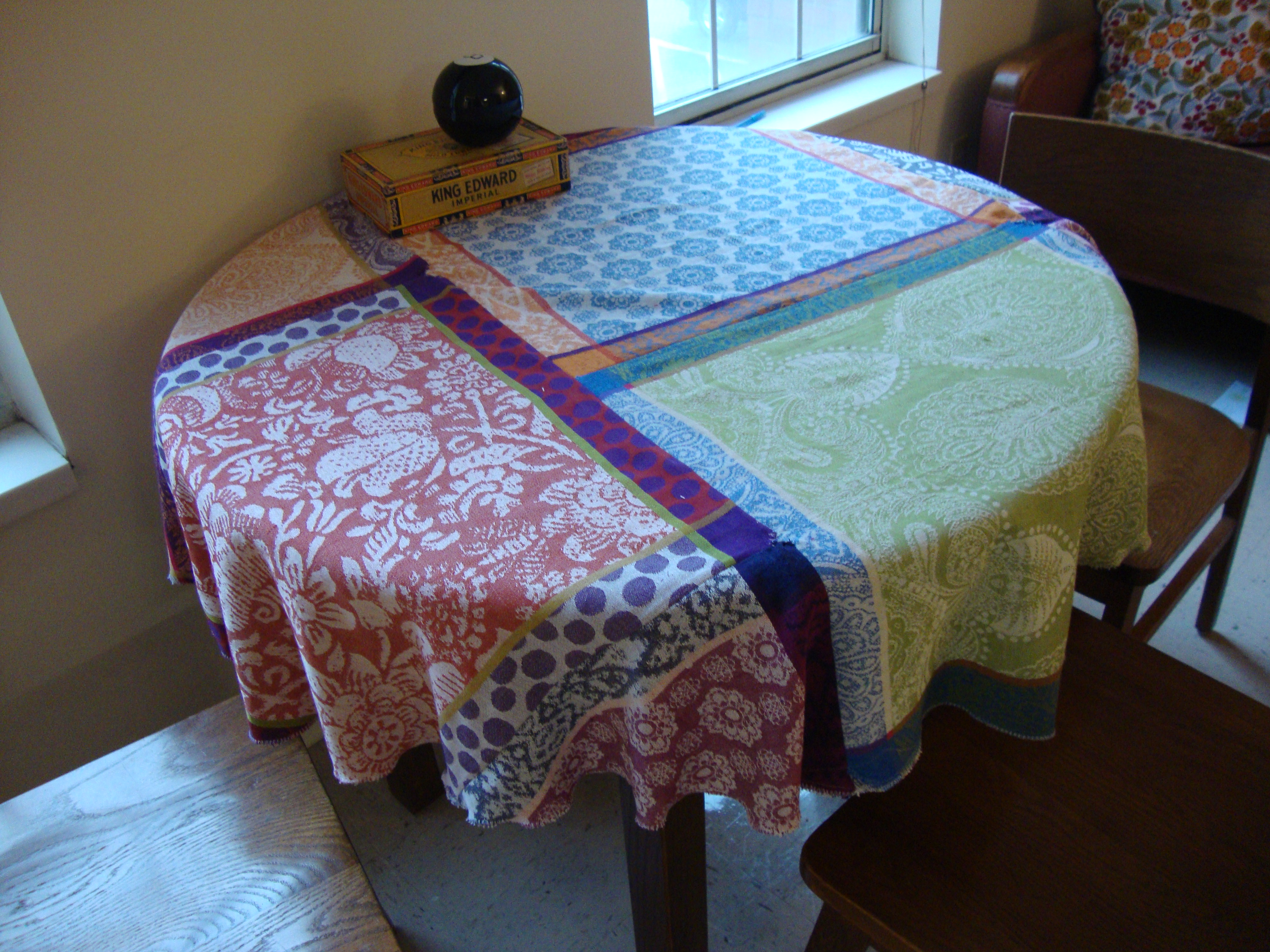
Anthropologie Inspired Tablecloth

I don’t shop at Anthropologie often, because let’s face it, who can afford it? But goodness, do I love that store. My roommate one day pulled out a napkin from the store that someone gave her as a gift, and it sparked my inspiration – a tablecloth made up of cloth napkins. So I went online and found these. The napkins come in a set of 6 for only $32.

With the napkins, I wanted to make a table clothe. My game plan was simple – to sew together the 20×20 inch napkins into a large square and then cut out a circle. With only 6 napkins, I had to do some planning, but first I wanted to make sure I could use every inch of fabric. So I took out the hem, adding about an inch of fabric on each side.

Once I removed the hem, I needed to secure the edges so they wouldn’t continue to fray. This is how I discovered the overcasting stitch feature on my sewing machine (I know this is probably something really basic, but you’ll have to bear with me. I’m relatively new to a sewing machine.)

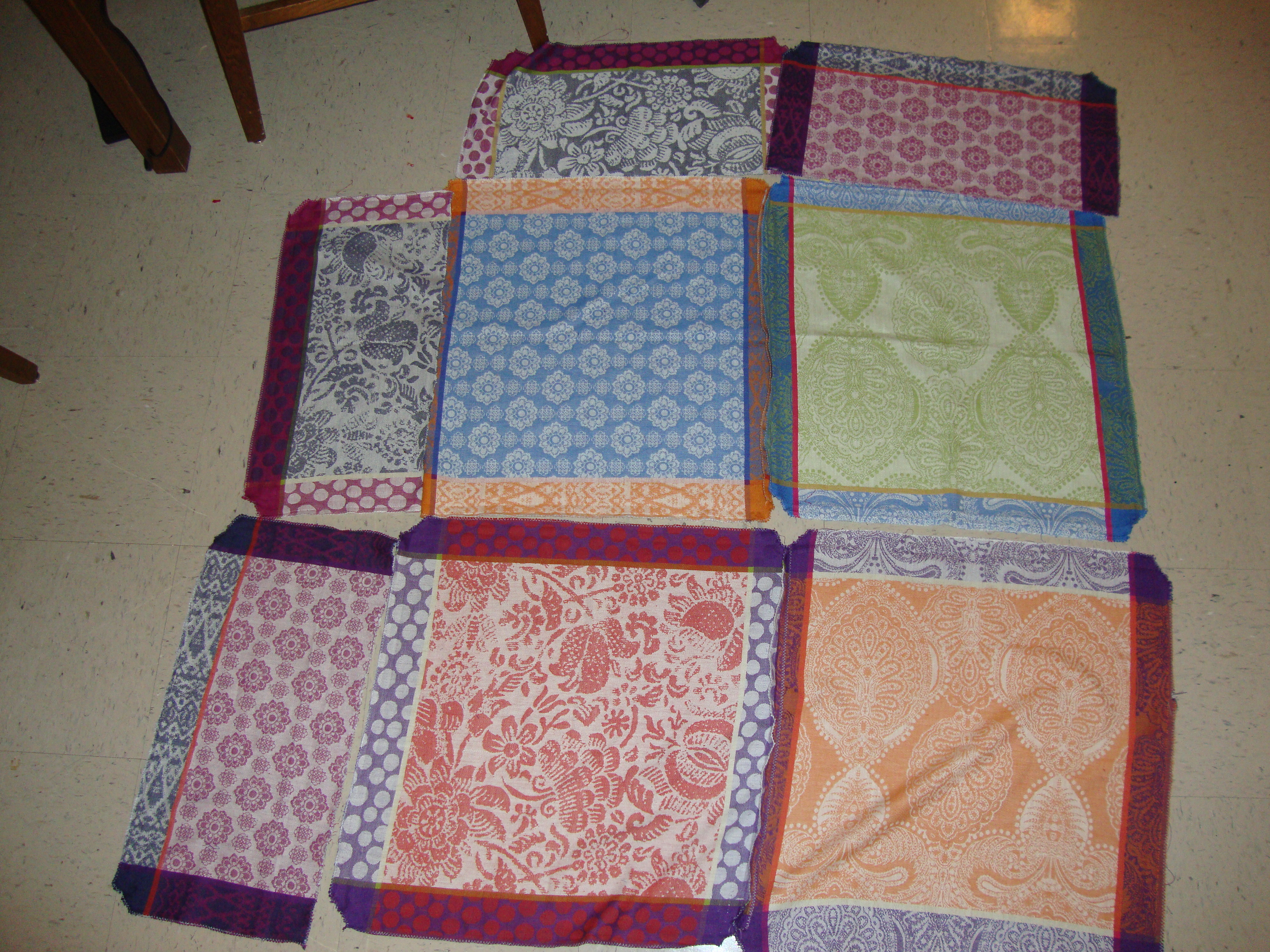
Once I had stitched over all the edges, I began to lay everything out. I needed to make a 50×50 inch square. So I kept 4 napkins whole and cut 2 napkins in half, placing those on the outer edge. If you notice, that leaves a 10×10 inch square missing, but I’ll come back to that later.

So I got to sewing each piece into place. The napkins’ corners were cut off, which caused a few hole to appear when sewing them all together. But I just decided to embrace the patchwork-ness of it all, and I simply hand sewed it together.

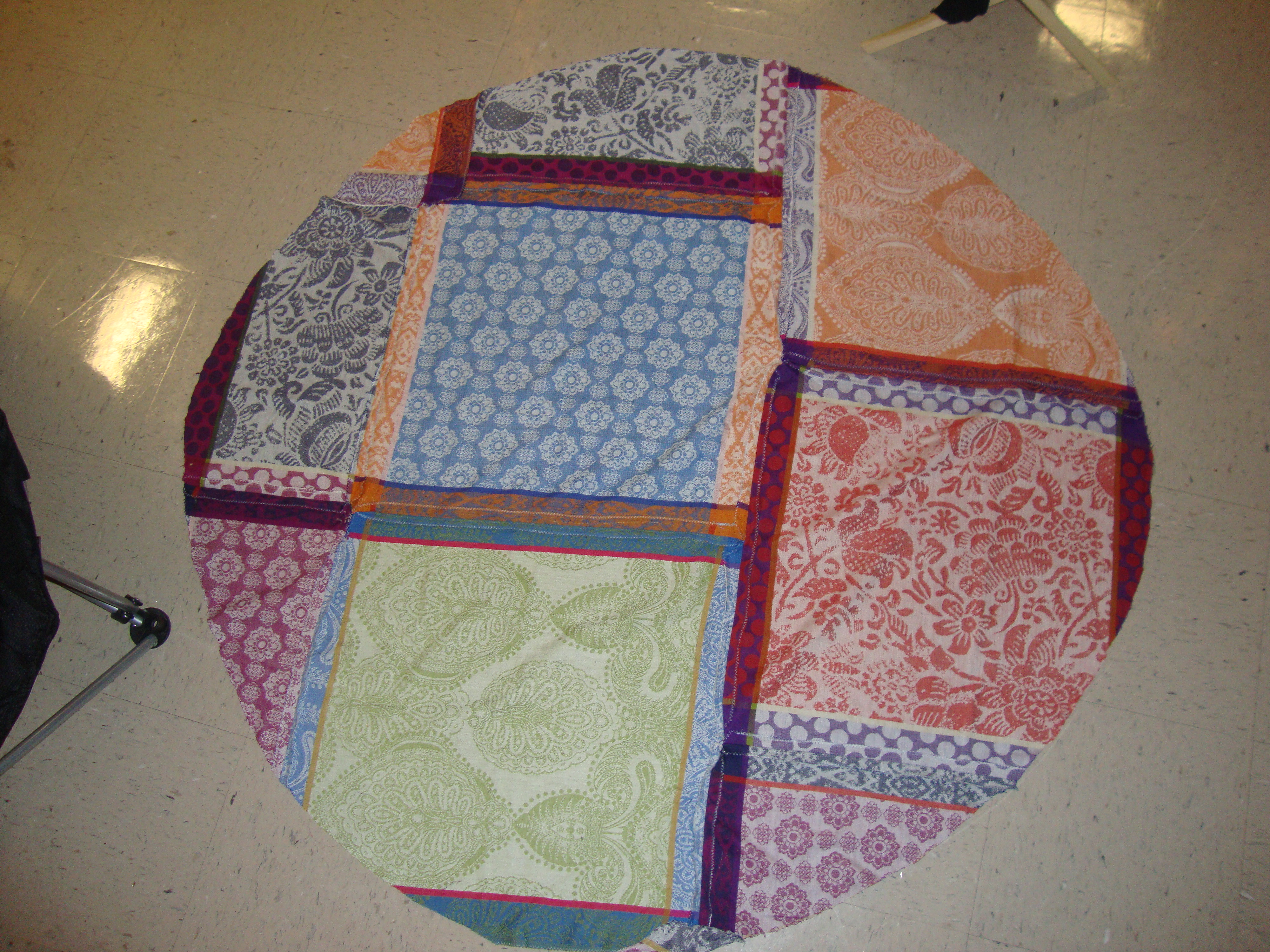
And then using the technique I learned on my last table cloth, I marked the fabric to cut out a circle.

I found this fabric rather difficult to measure and cut. And as you can see, I was unable to cut a perfect circle. But since this is inspired by Anthropologie, why not accept their homemade philosophy. It’s homemade; it doesn’t have to be perfect. (It just has to look adorable!)

Now, back to one of my original problem – the 10×10 inch missing square. Well once the circle was cut out, the missing piece was easy to fix. I simply took  a piece of the scraps leftover from cutting out the circle and patchworked it into place using a simple straight stitch.

For the finishing touch, I decided not to hem the tablecloth, but instead to use the overcasting stitch again. I liked how it makes the fabric look raw, like it’s a scrap piece from another project.

And that’s it. I’ve learned you don’t have to shell out a lot of money for Anthopologie products. You just have to buy the cheaper, simpler ones and make them into something extraordinary.

Barrette flashback

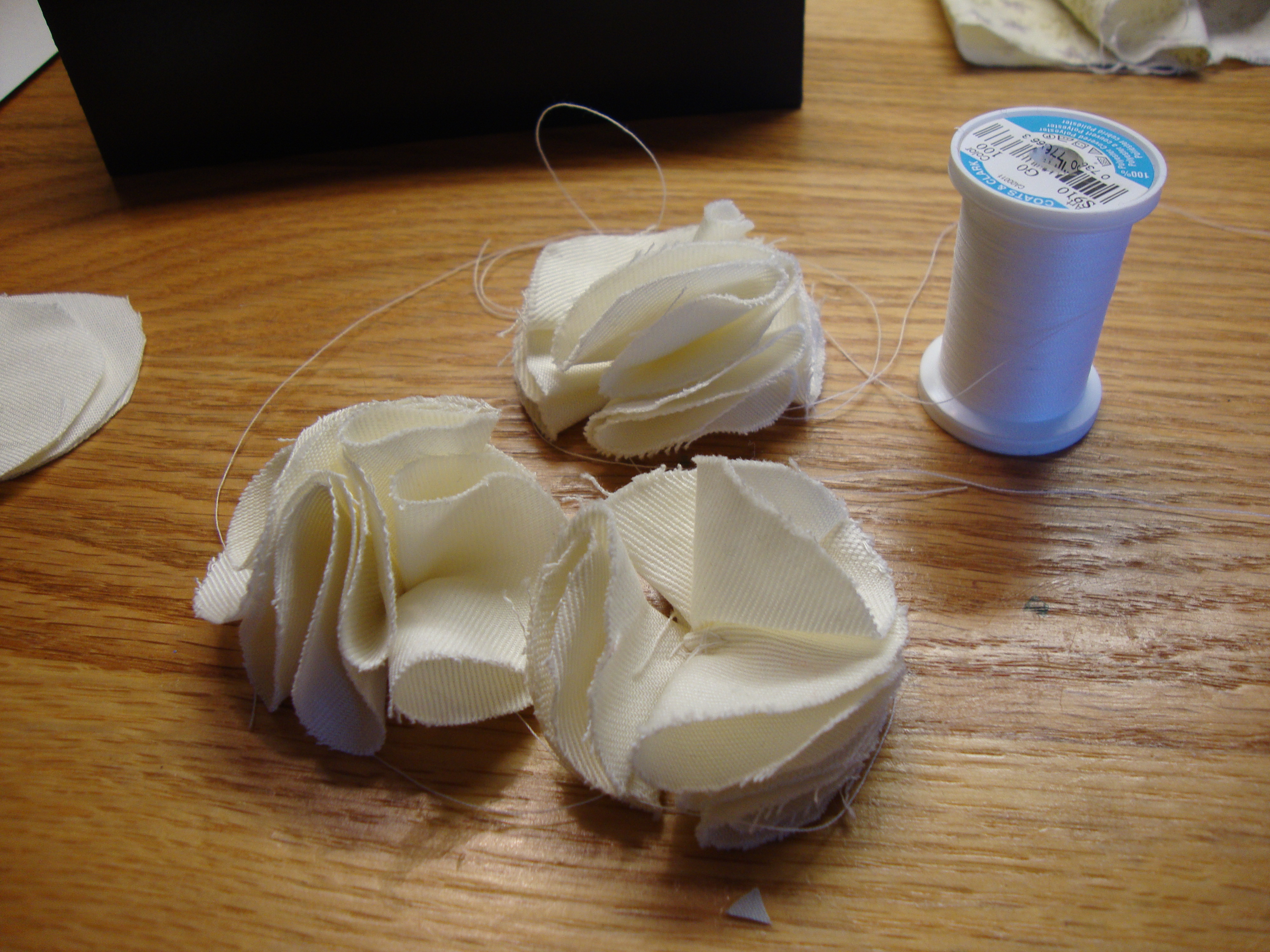
I was digging through some stuff when I stumble across these fabric flowers I had made a long time ago. It got me thinking – I had seen this article in the Wall Street Journal about how barrettes are now back in fashion. So I pulled out some adhesive glue and a barrette and got to work.

First, to make the flowers, I cut out circles in the white, cotton fabric I had (but really any fabric works. I once made the same thing out of toile and it turned out great!)

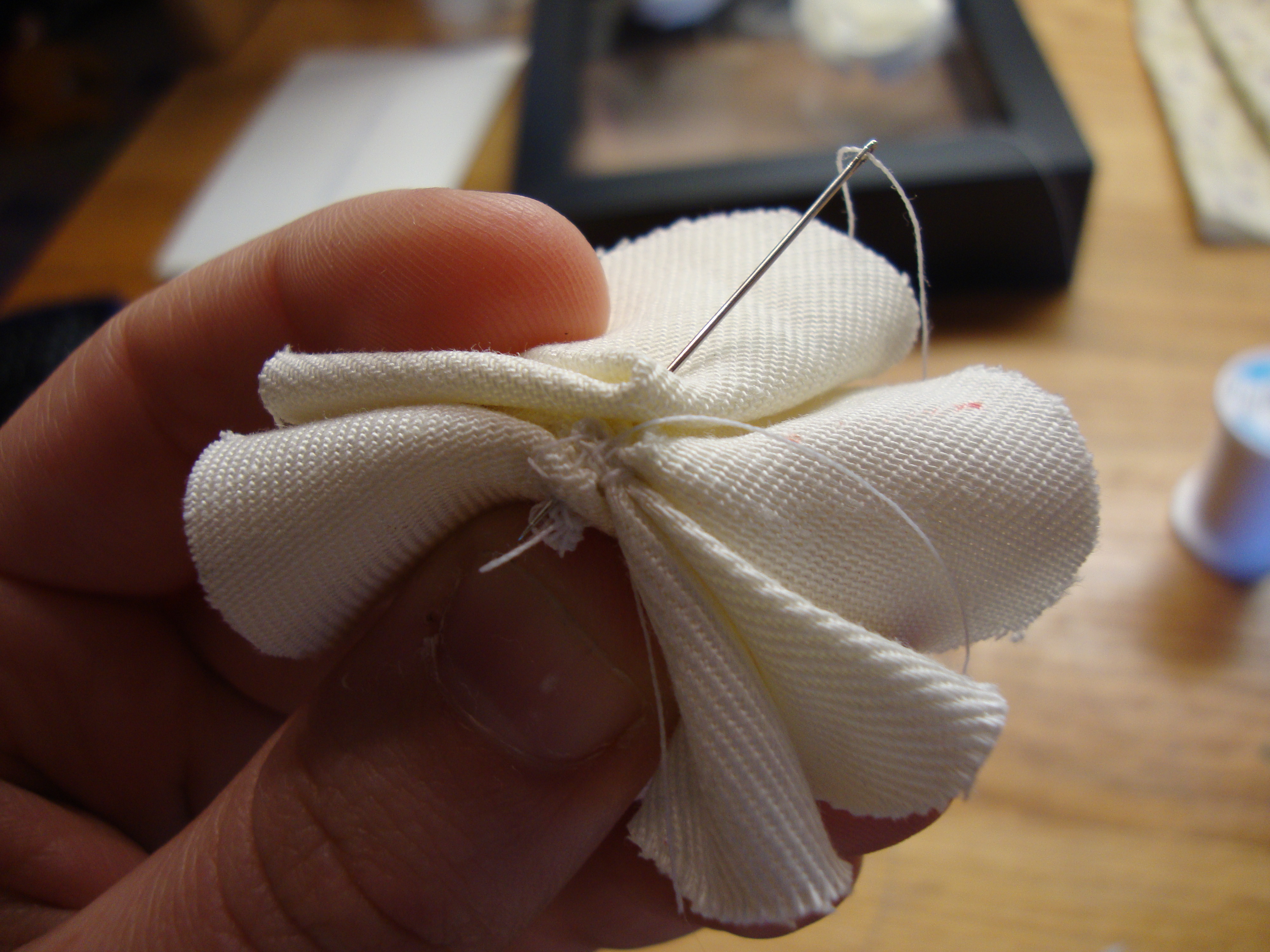
Then I folded the circle in half, and then in half again (see picture above). Then I took a needle and thread and sewed the bottom point in place.

Repeat that step, sewing each new piece to the others. Pay attention to how each piece is arranged because sometime it can just look like a stack of fabric and not really a flower.

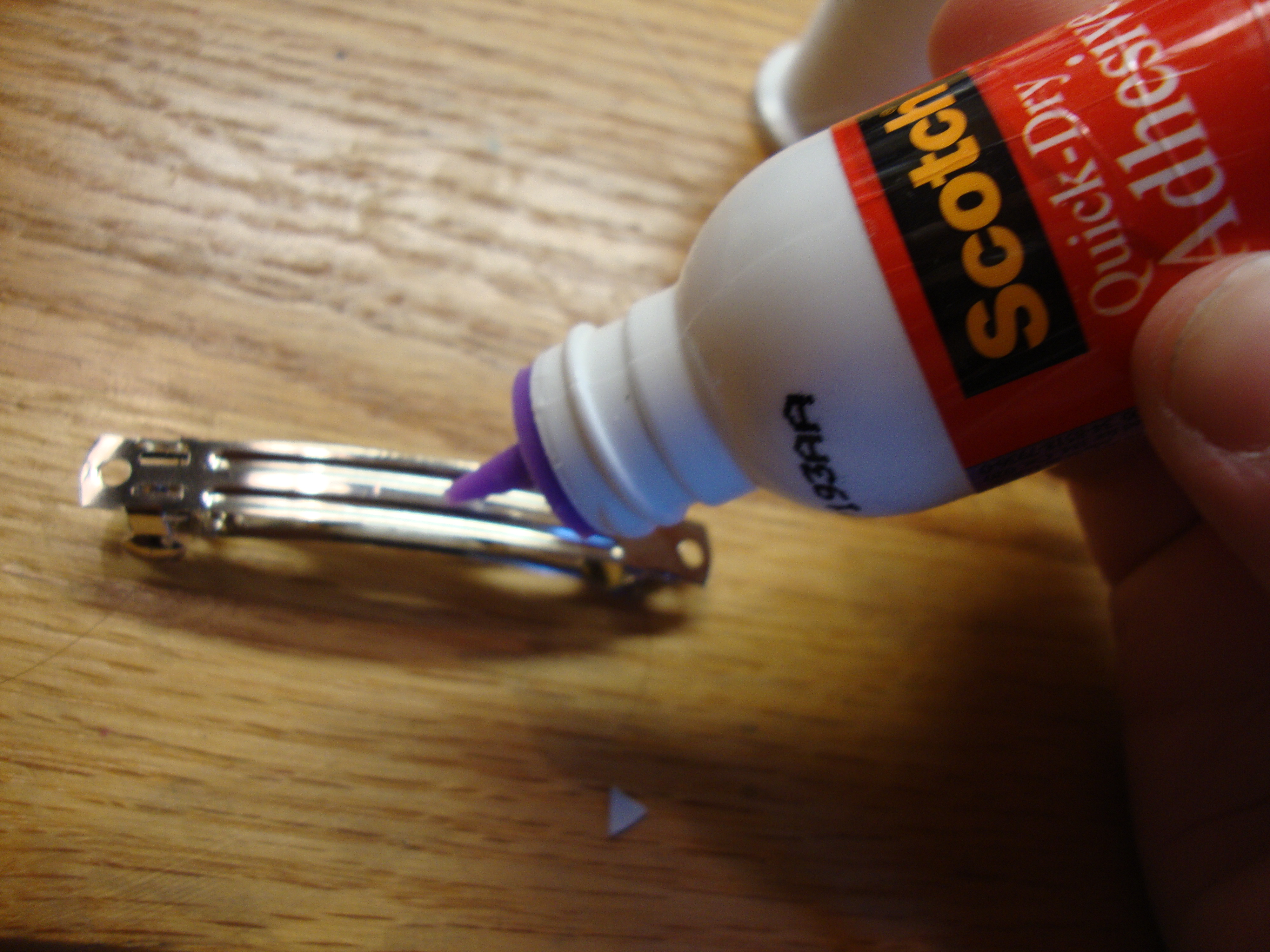
Finally, I used my adhesive glue to attach the flowers to the barrette. The whole thing gives me a flashback to the 90s  – scrunchies, tights and outrageous hair bows – but it looks cutes nonetheless.