A place for all the pictures

So another school year has begun, and with a new school year, comes a new dorm room just ready for us to decorate. First on the crafting agenda is something I could use to display pictures and letters that looks a little better than a simple cork board. After finding this frame at Hobby Lobby, the design quickly came to me.

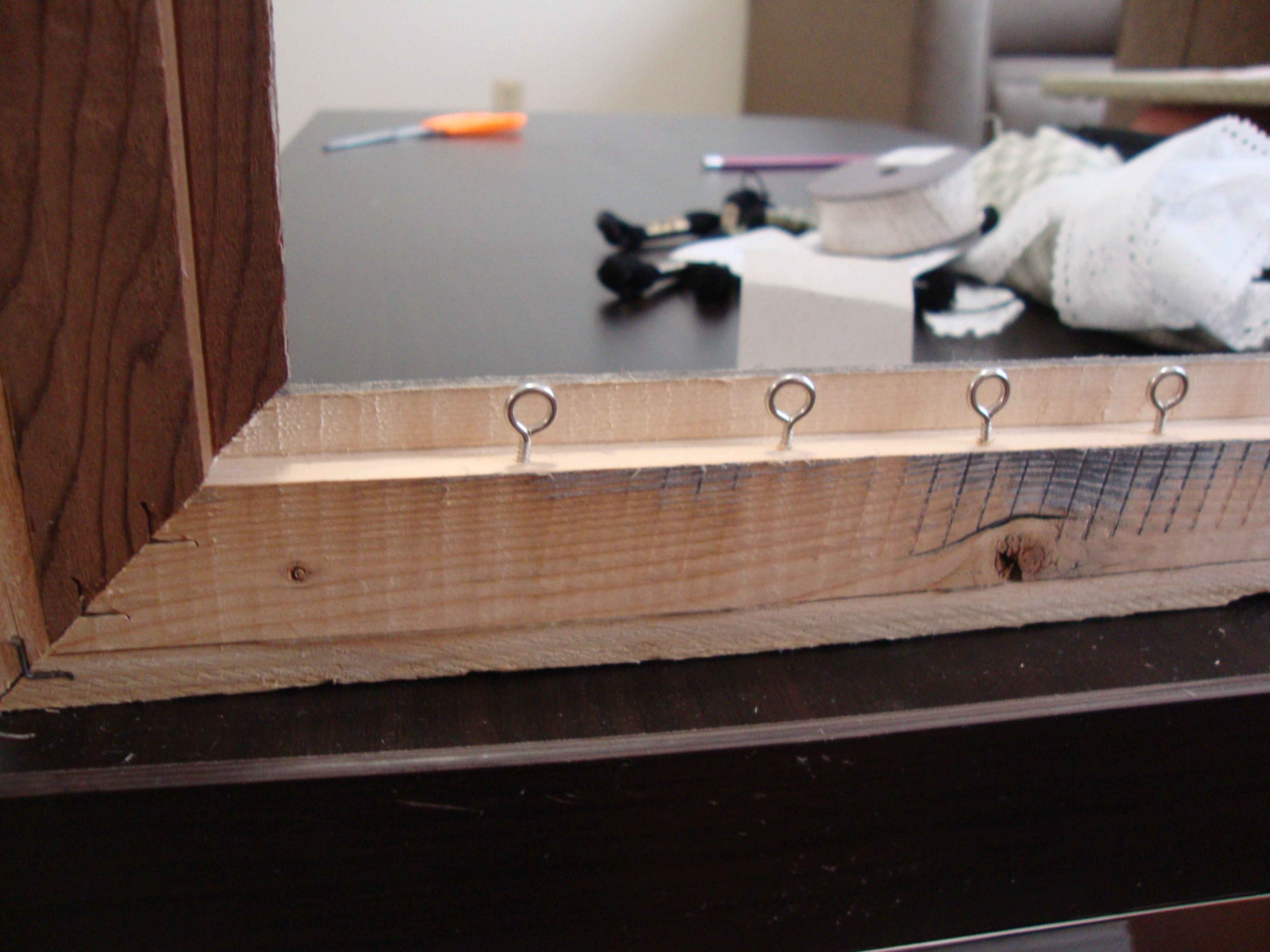
I purchased hooks that I then screwed on to the interior sides of the frame. I didn’t worry too much if they were hidden or not.


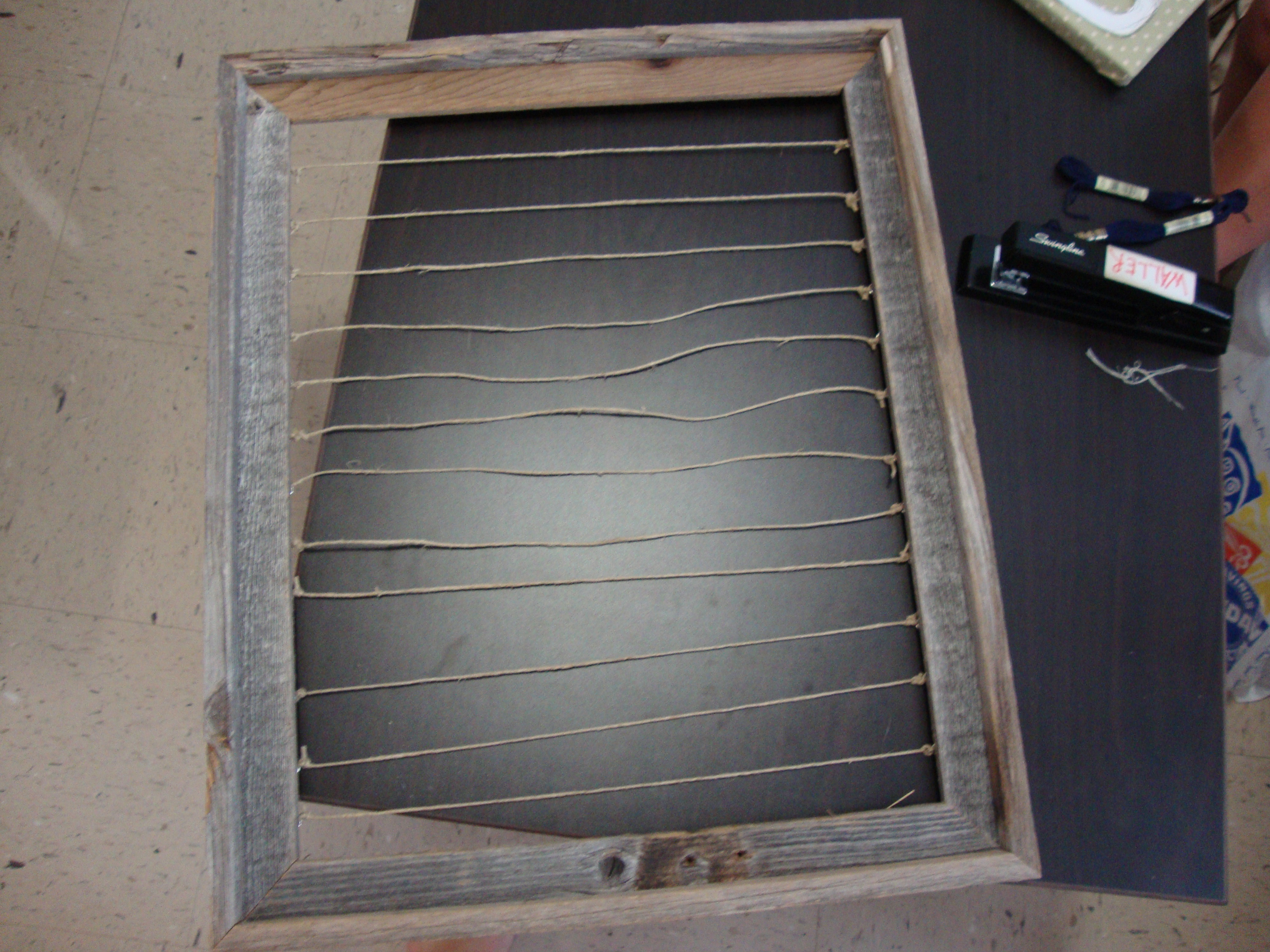
Next, I used basic string and tied it from hook to hook.

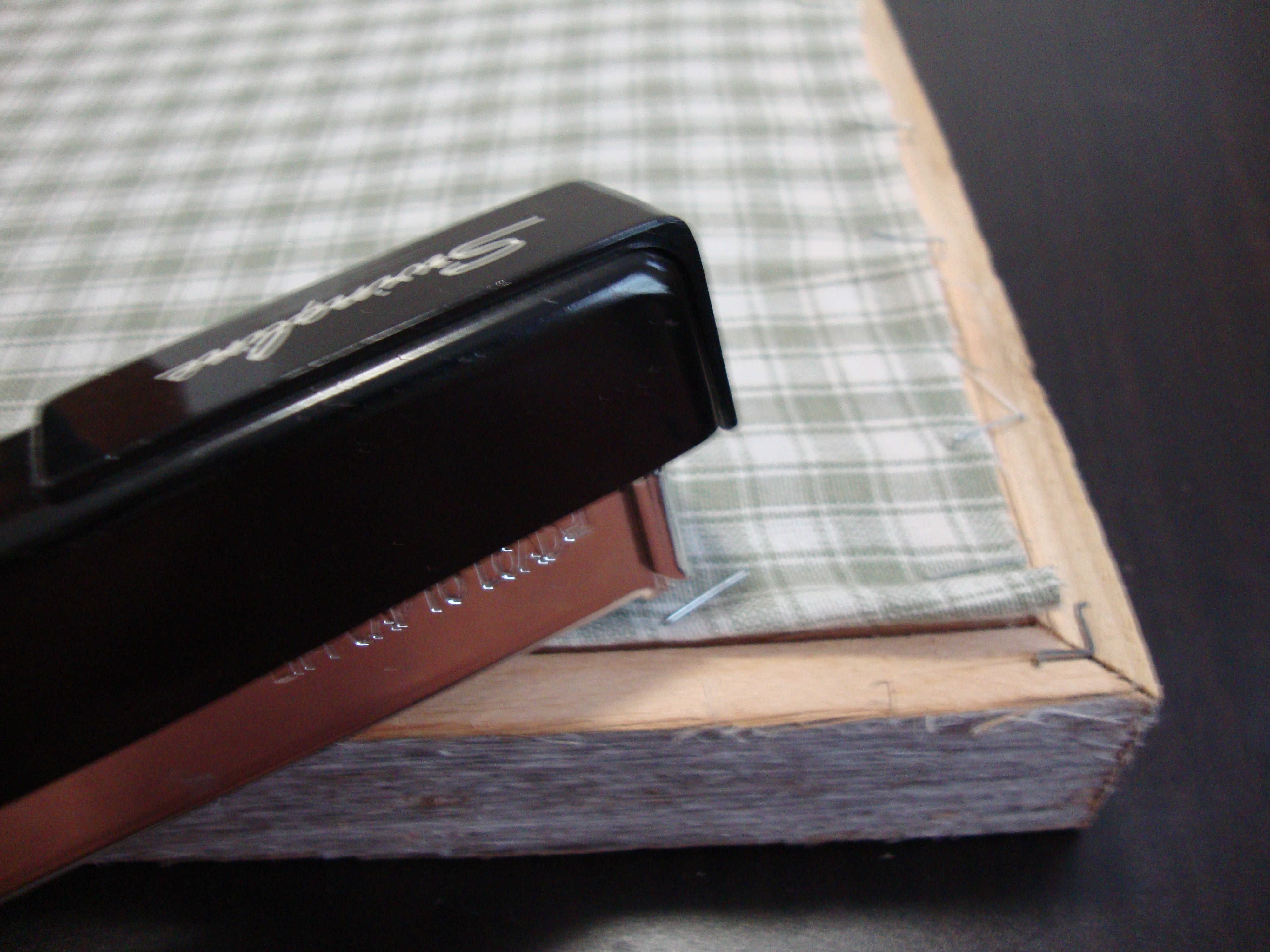
For the final touch, I stapled a rectangle piece of fabric to the back.

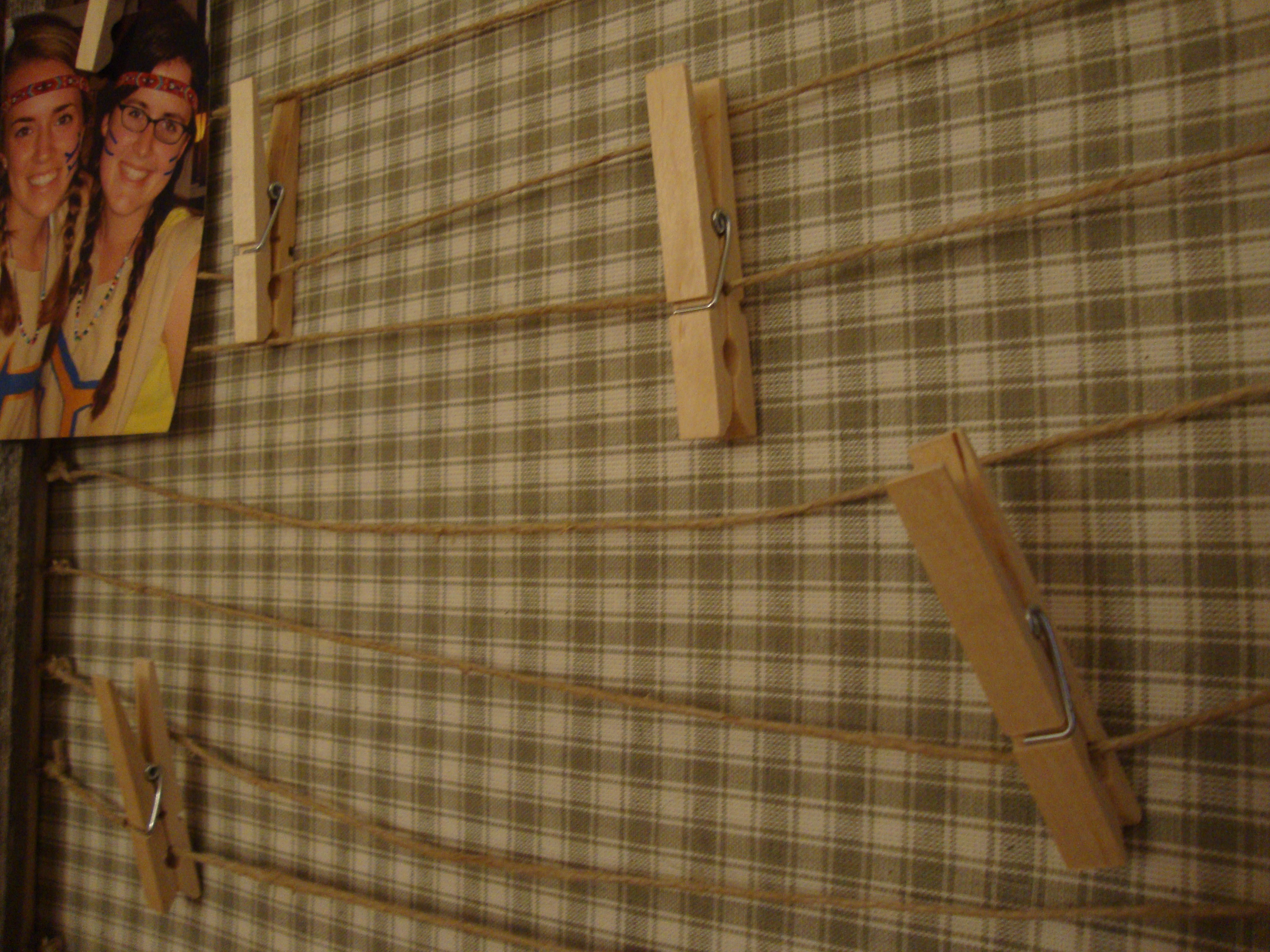
Add a few clothespins, and there you have it.

Urban Outfitters-Inspired Felt Wall Art

They say copying someone is the greatest form of flattery. In this case, it’s to show that an item can be wildly over priced. I found this wall art on urbanoutfitters.com. Their price was $59 – I was able to reproduce it for only $6.

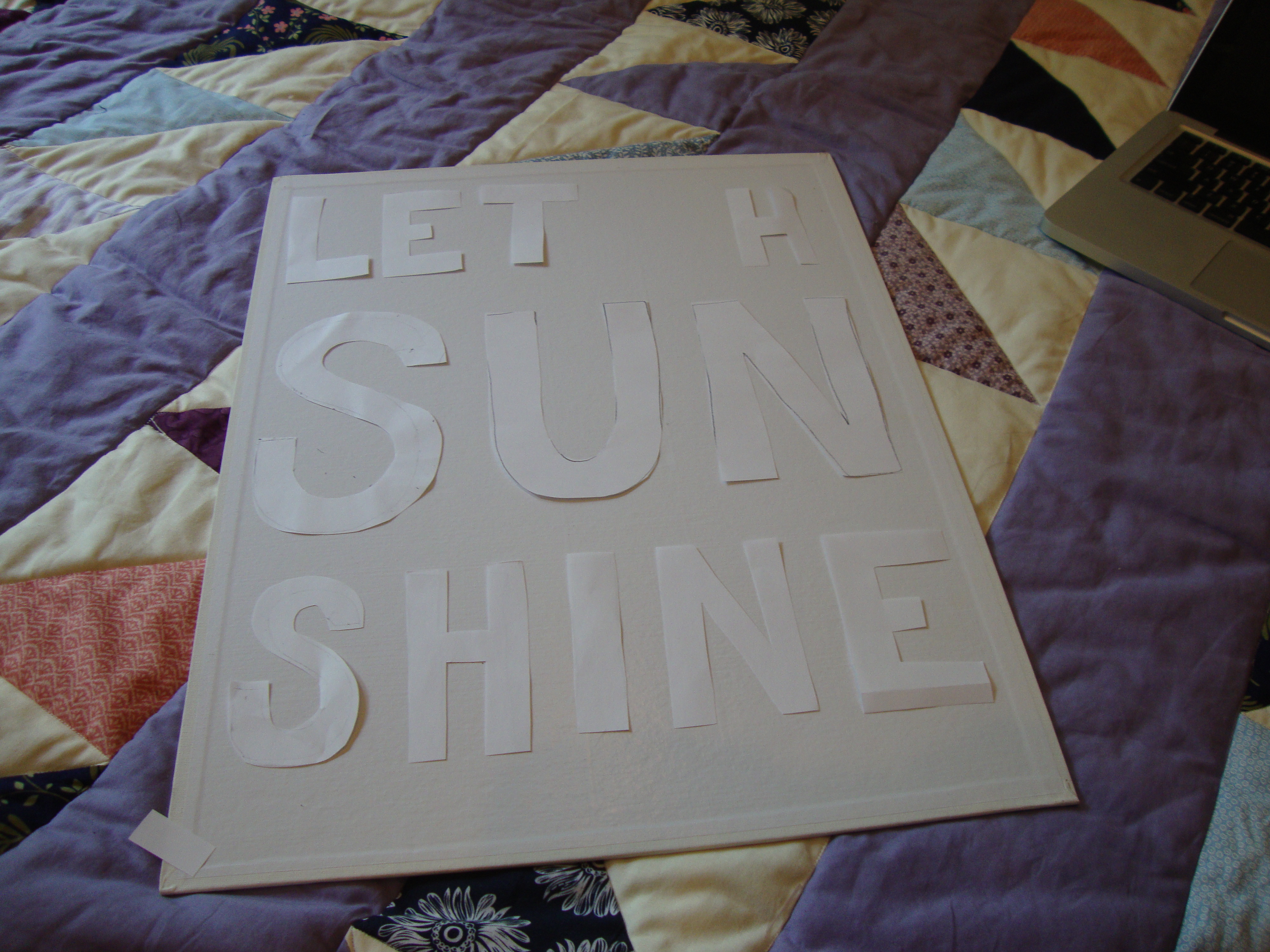
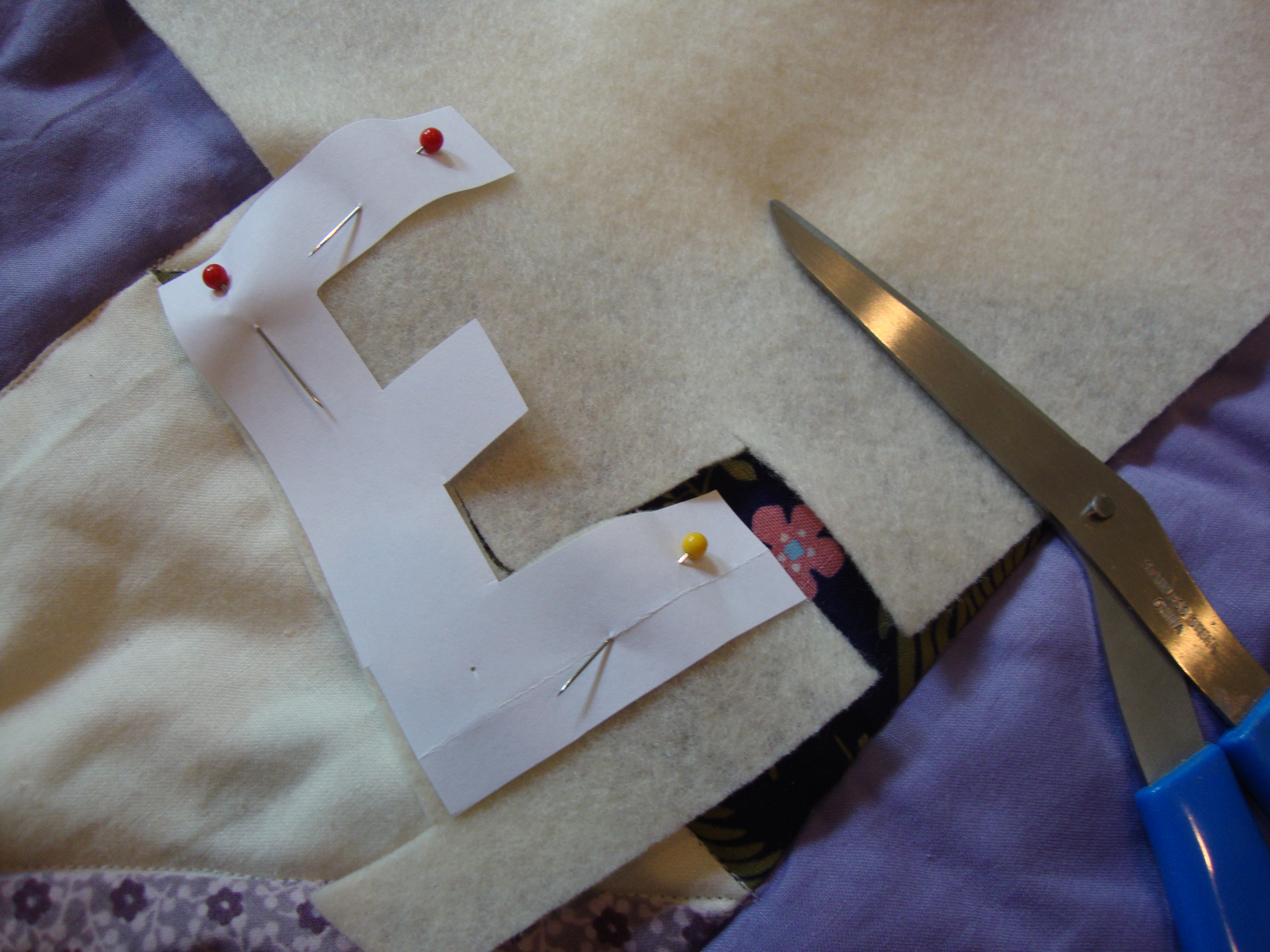
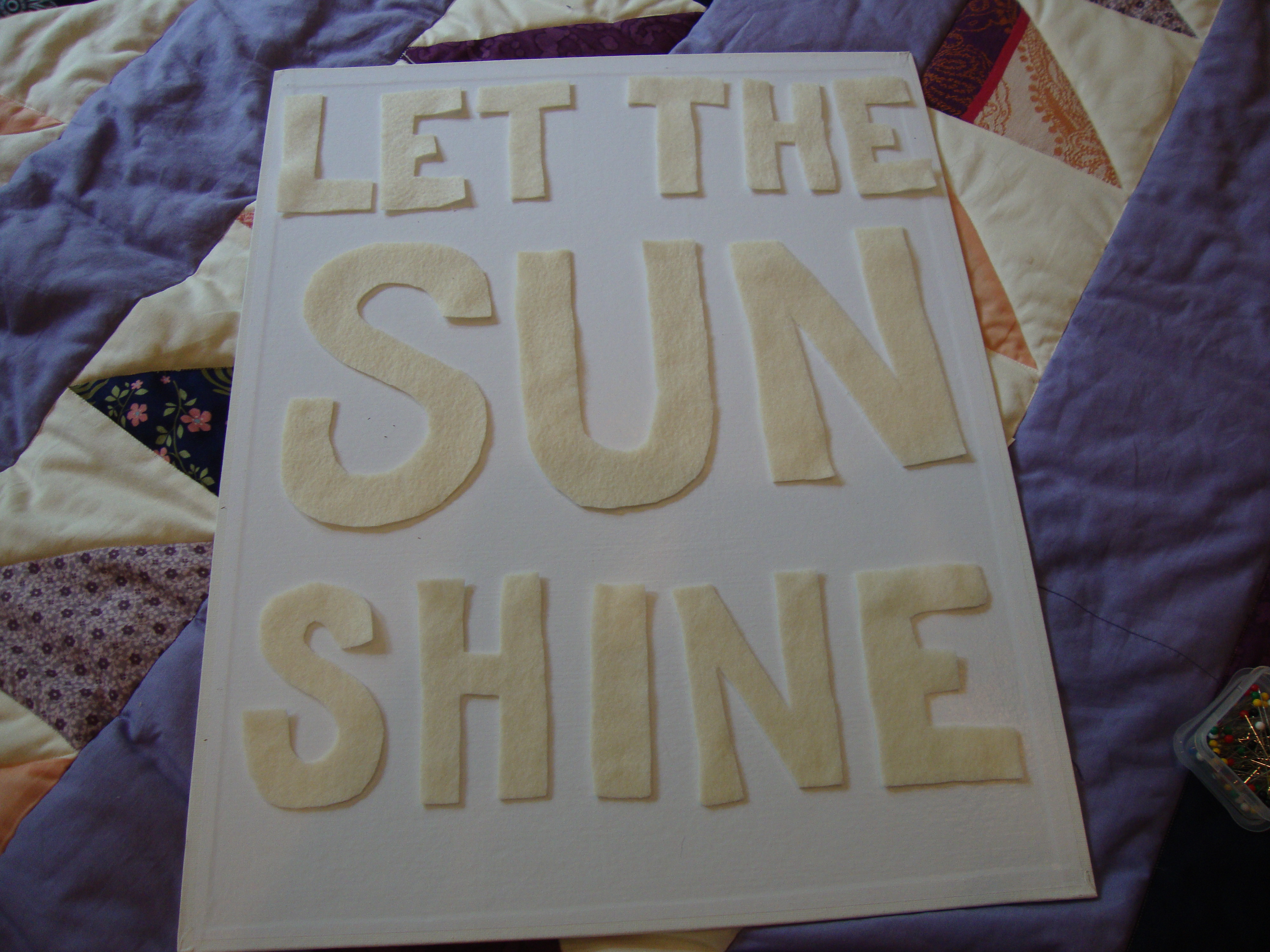
All I needed was a 1/2 yard of fabric, 3 sheets of felt and some embroidery thread. First, I cut out the letters using paper to act as a template (so I don’t waste any fabric).


Next, I simply attached the felt letters to the back fabric using a blanket stitch.

Quilted American Flag

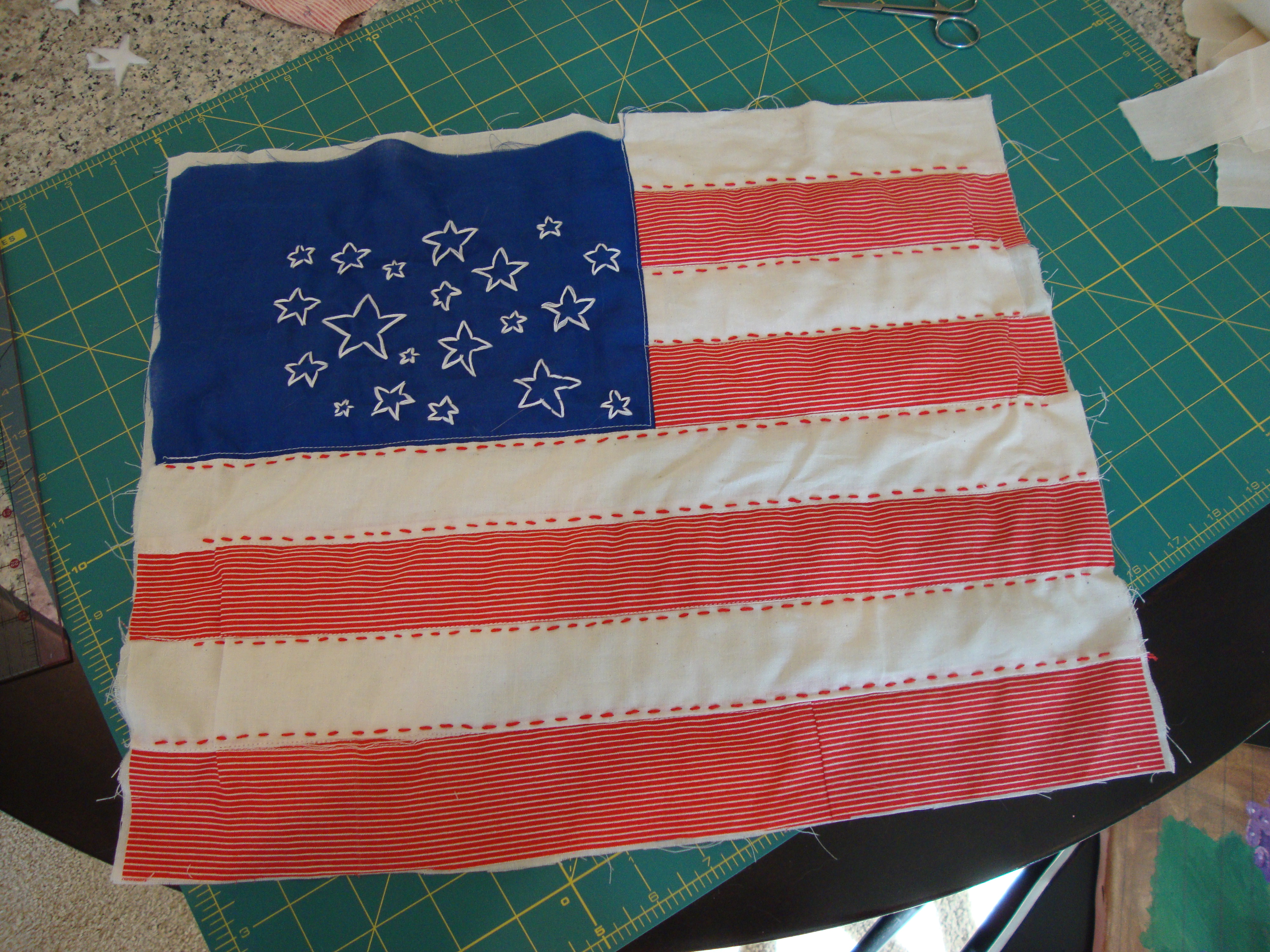
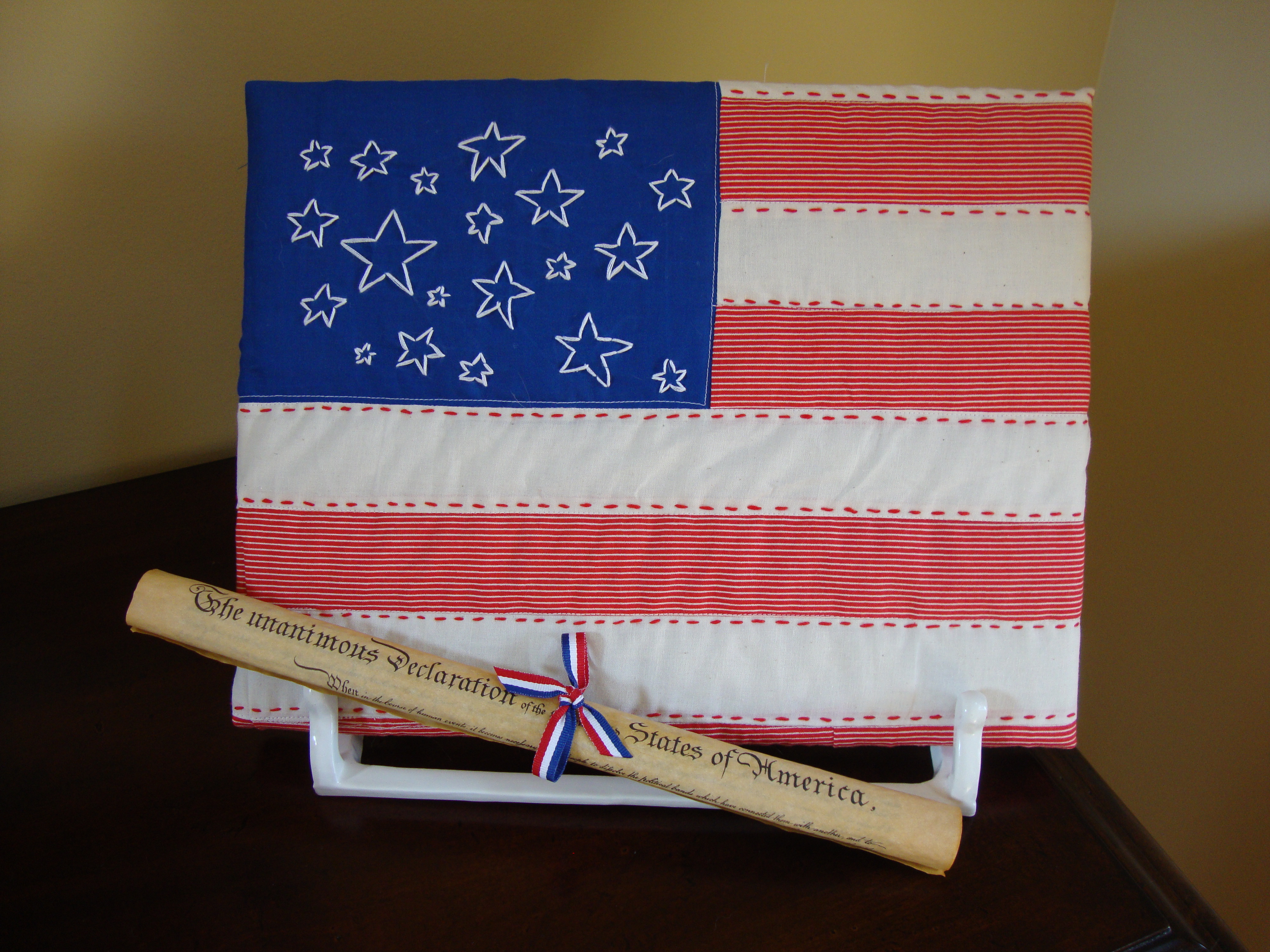
Weeks after making a quilt, I can’t help but want to make another one. And with leftover fabric from my patriotic napkins, I decided to make a small, yet very festive, decorative quilt.

Sorry, but I didn’t take any pictures as I made the flag since the project started out on a whim. But shoot, didn’t it turn out pretty adorable! (I love the embroidery detail. It really makes it look more hand-quilted, though it is definitely machine-quilted!)


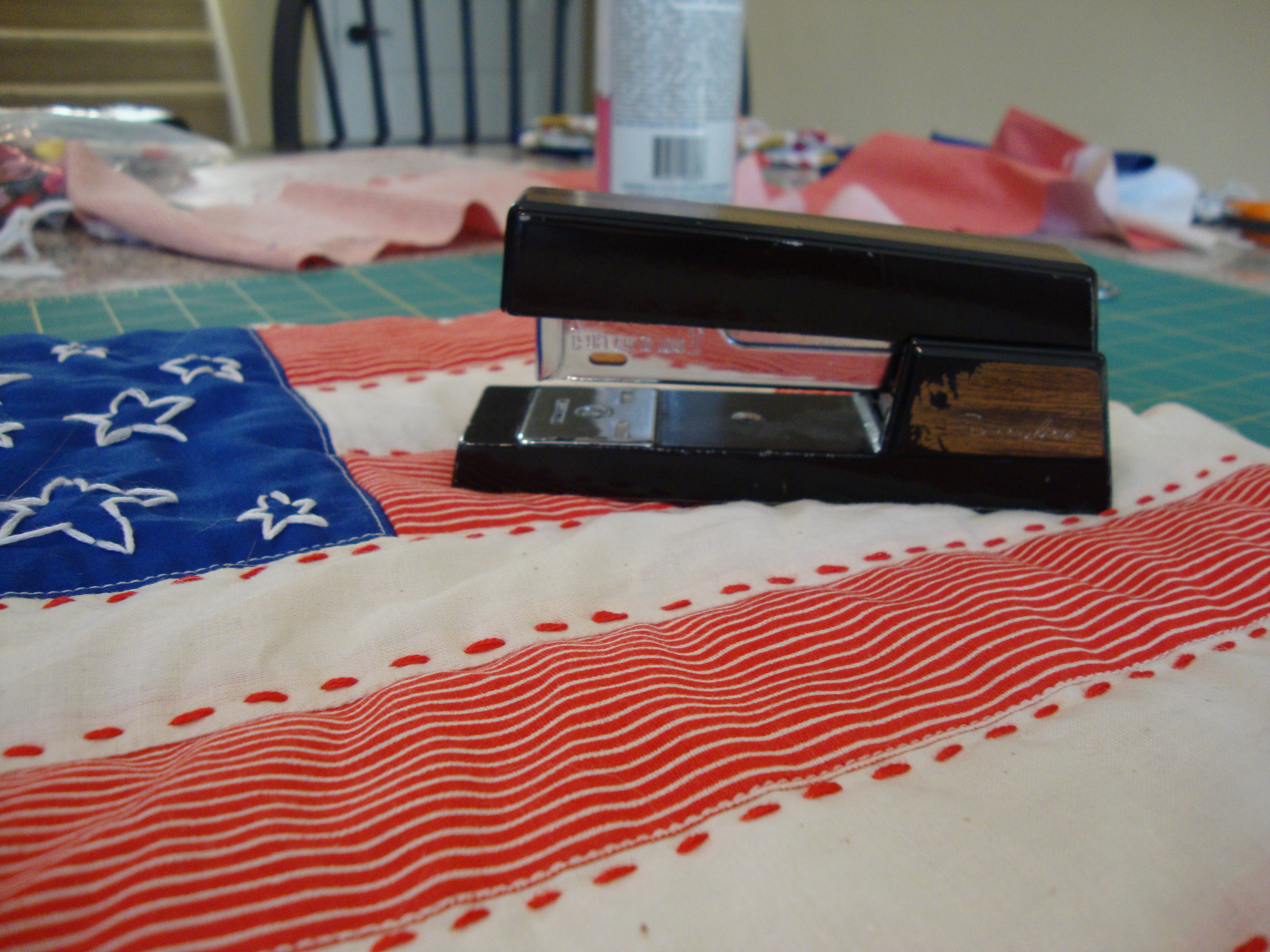
Once I finished the flag, I dug up an abandoned canvas, grabbed a stapler and mounted it!


Which brings me to the finished product…


For a patriotic picnic

With the 4th of July only days away, I wanted to make something “festive,” but I knew I didn’t have enough time to make something big/time consuming. So the idea of napkins seemed simple and easy to make – and trust me, it was! The idea of making the pinwheel design had been floating around my head ever since I made an quilt, and I managed to find this video that made it so easy to make!


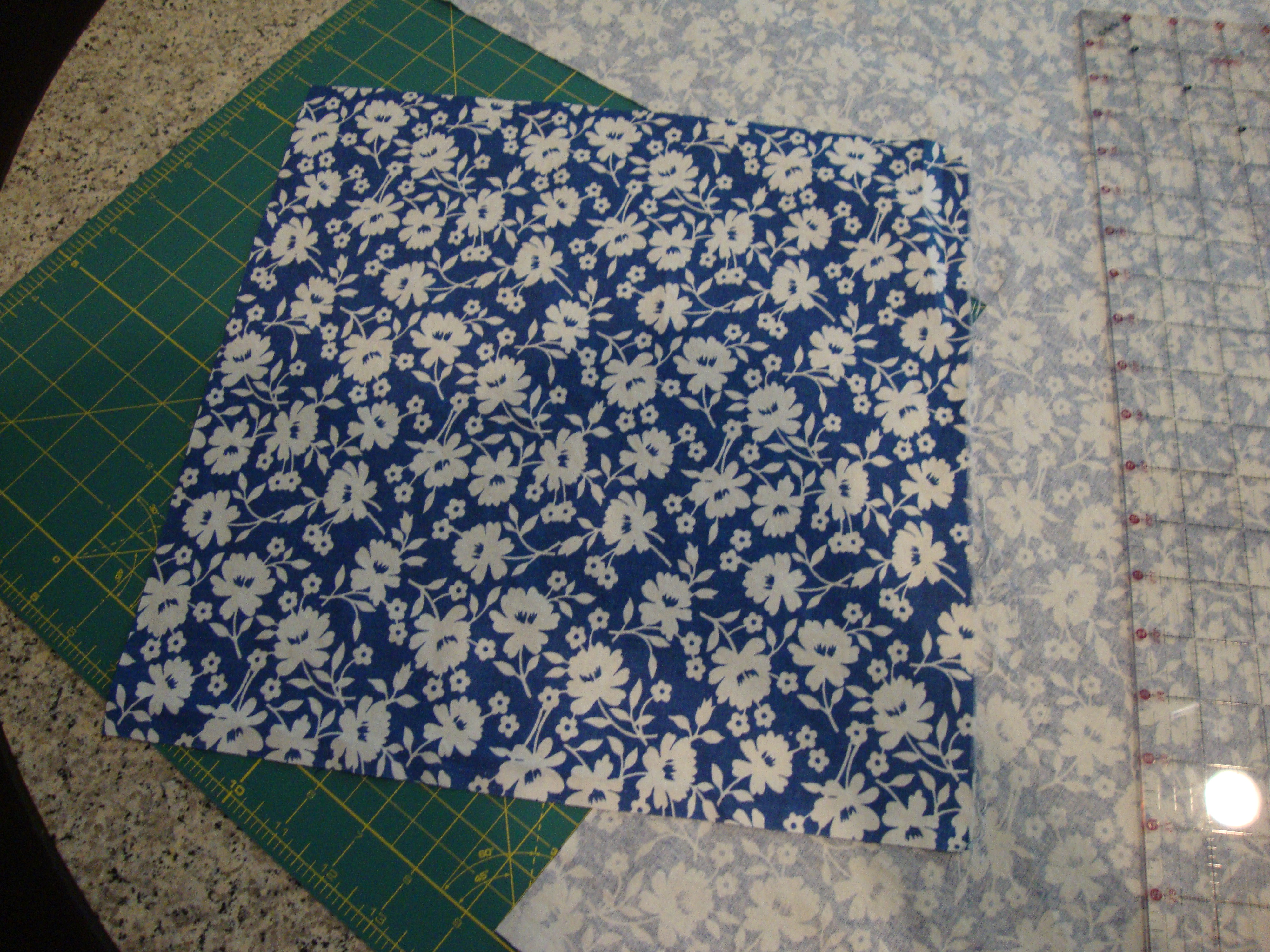
I started by cutting out 13.5 inch squares from both fabrics. Then I arranged both squares with the right sides facing in and sewed a continuous seam (with a 1/4 inch seam allowance) along all 4 sides.


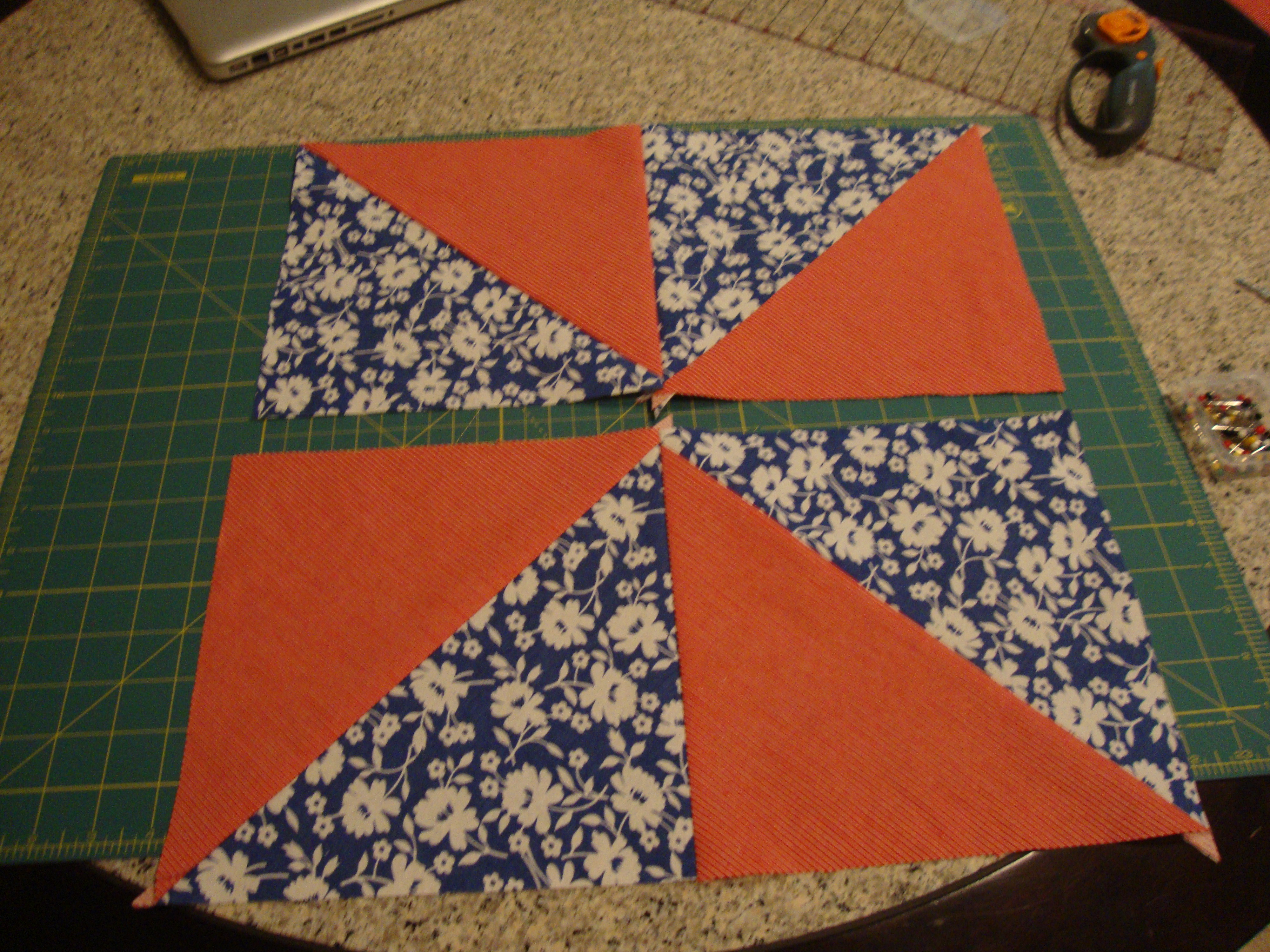
Next, I cut 2 diagonal lines. This created 4 squares with perfect half triangles. I then arranged it into the pinwheel design.


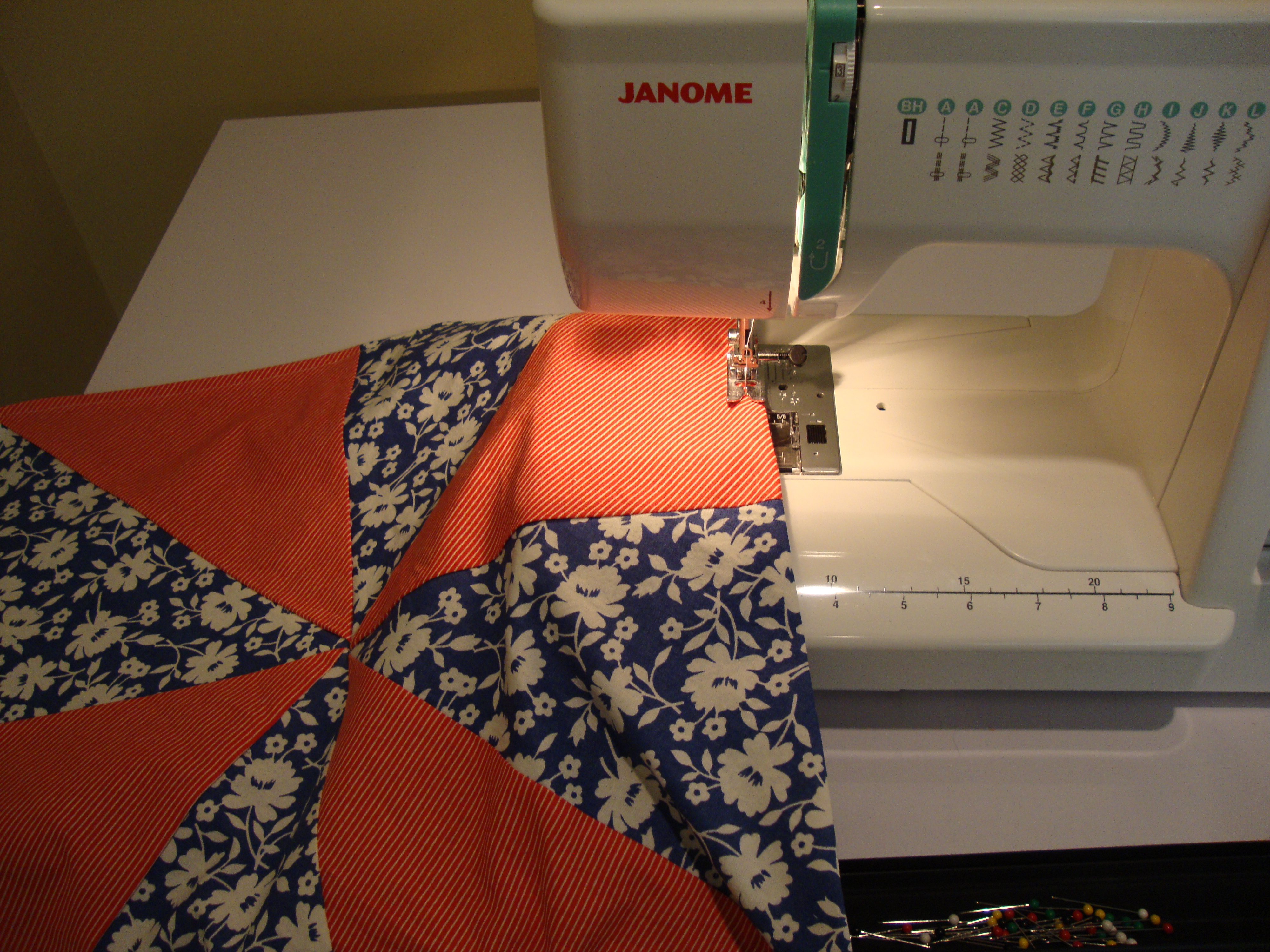
Next I sewed together the squares 2 at a time. Then the final 2 rectangles (making sure the center seams were aligned).

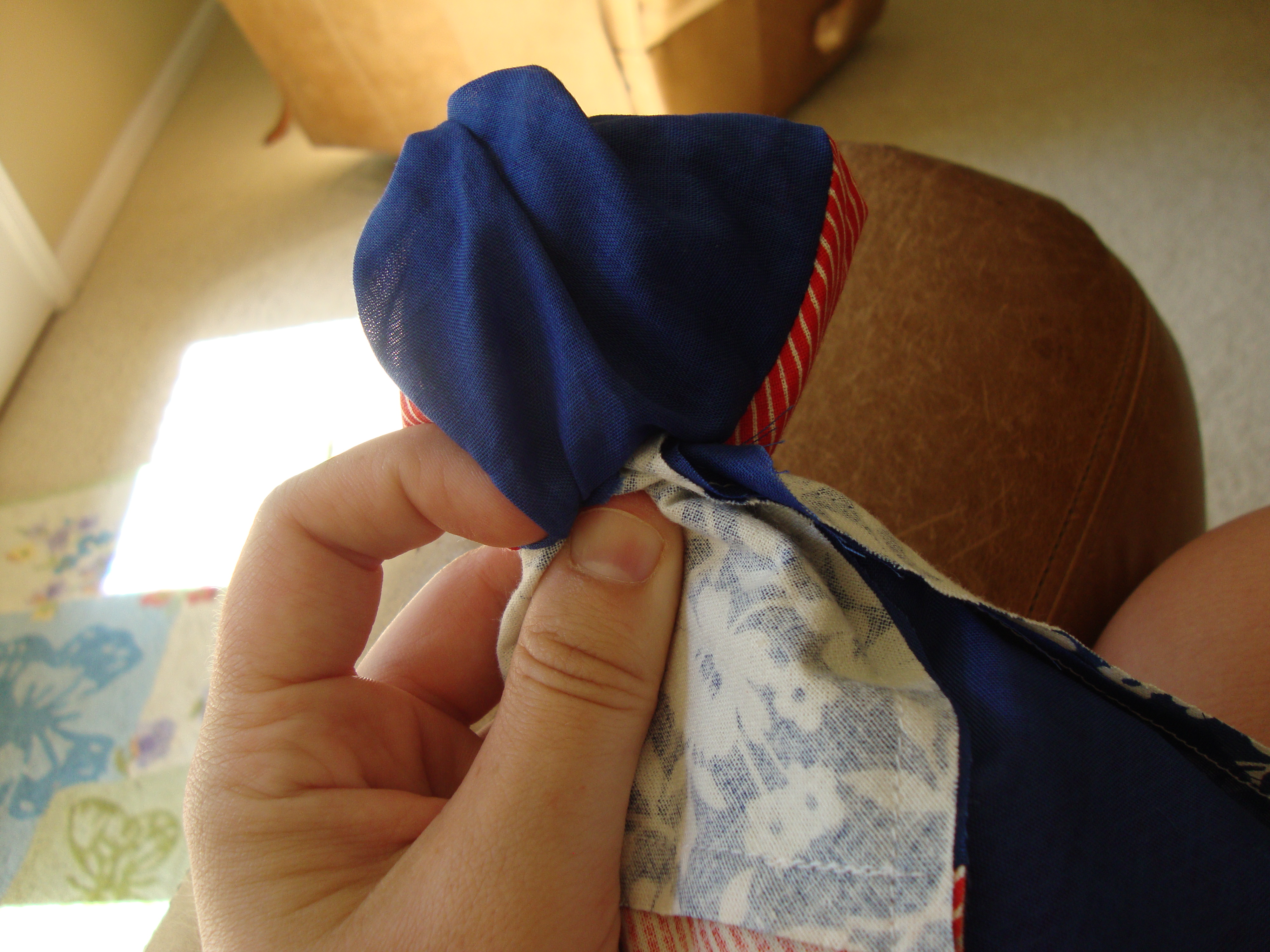
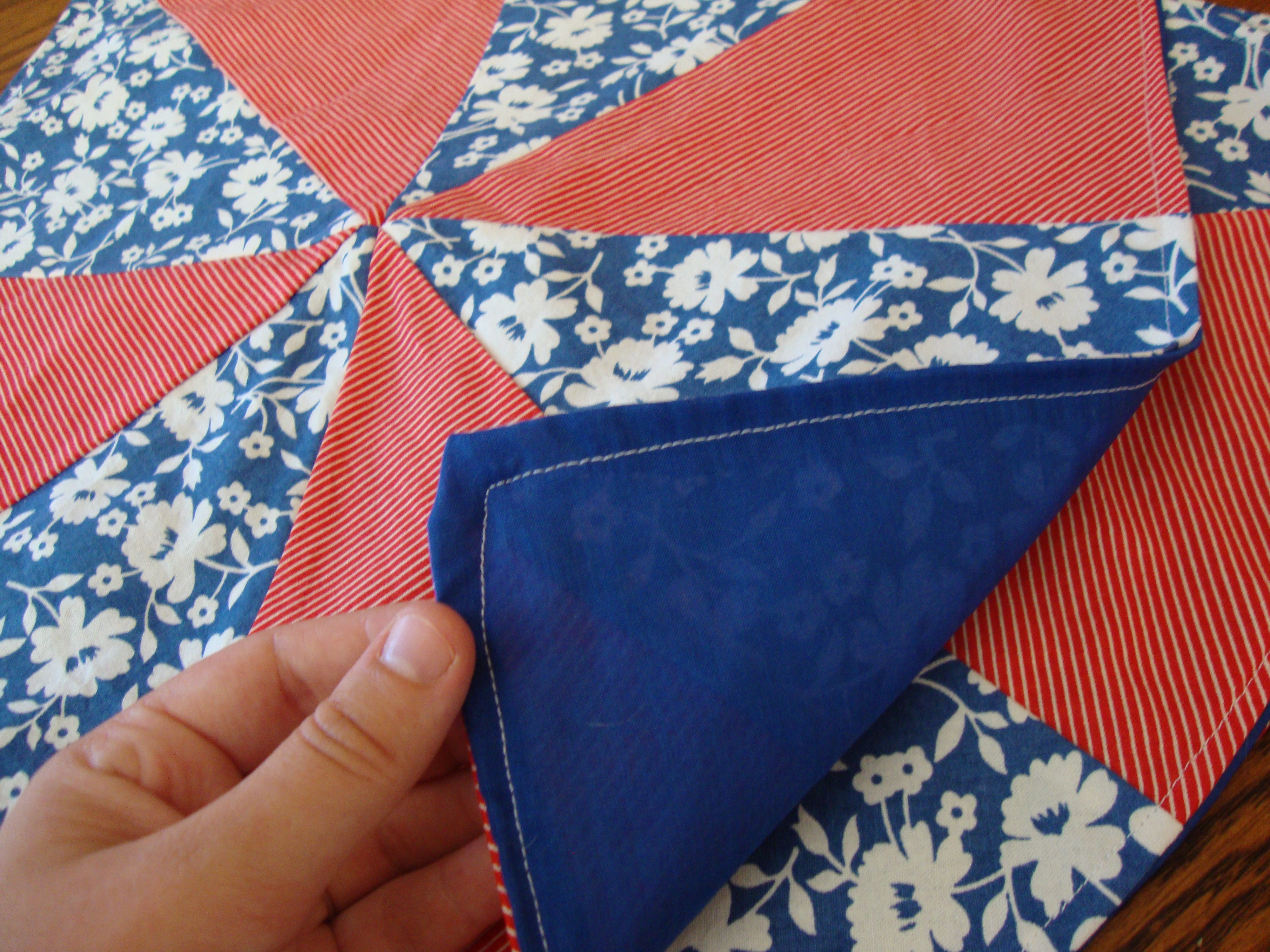
      With the top side done, I cut out a back piece from a navy blue fabric. Like before, I created a seam around all the edges, leaving about an inch so I could flip the fabric right side out.

As the final touch, I sewed a seam along the edgse of the finished napkin, securing everything in place.

And with that, it’s done. I made 6 napkins in about 2 hours – again, SO EASY!


A place for the knife, fork and spoon

One day, my Mom and I were walking around stores in downtown Homewood and found these place mats made out of burlap. Of course, I looked at them and thought the price tag was way too high when I could easily make it myself. So I stored that idea and pulled it out for this past Mother’s Day.

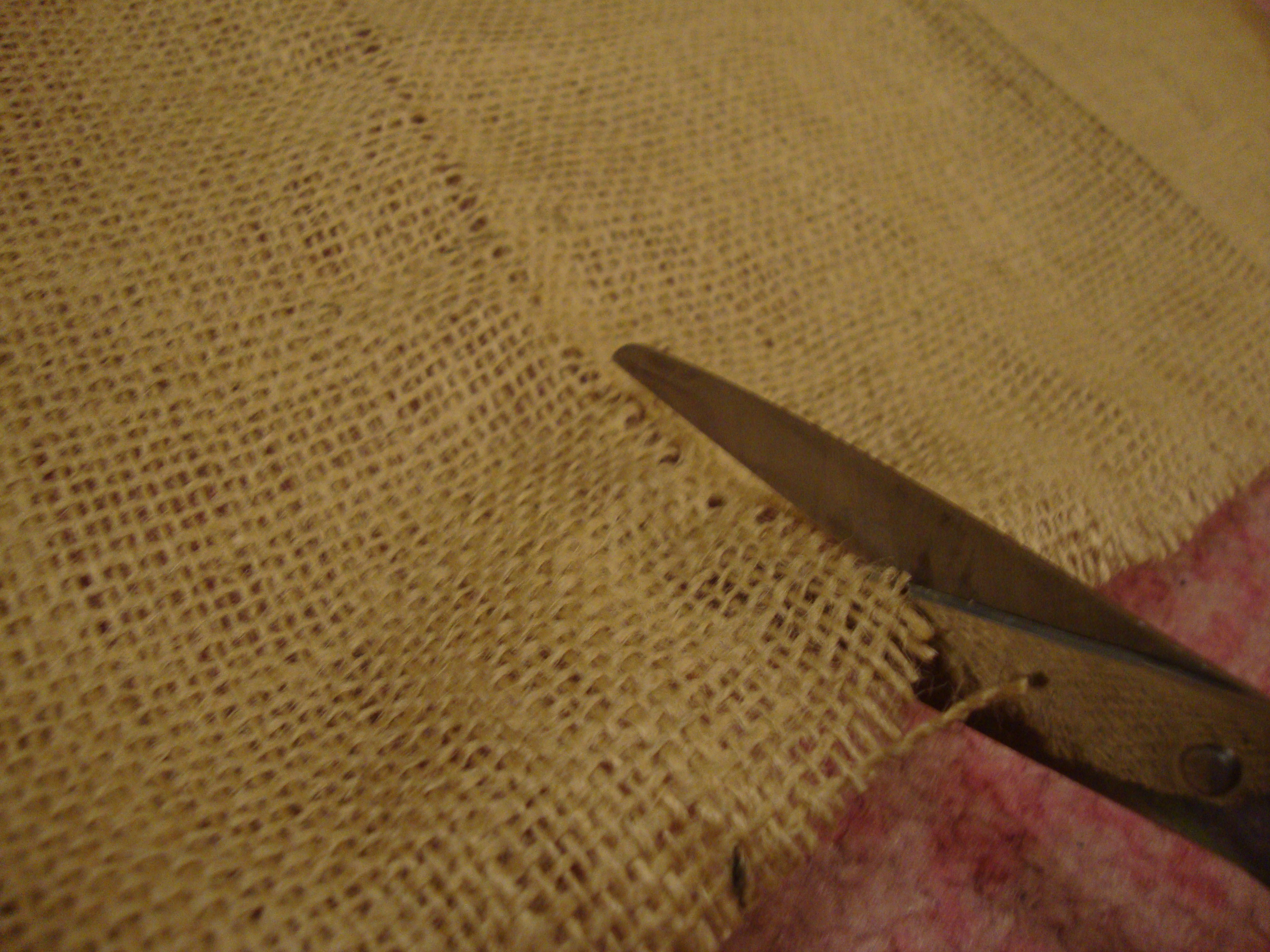
Thanks to a very informative trip to JoAnn Fabrics one day, I finally learned the easiest way to cut burlap. (see technique here)


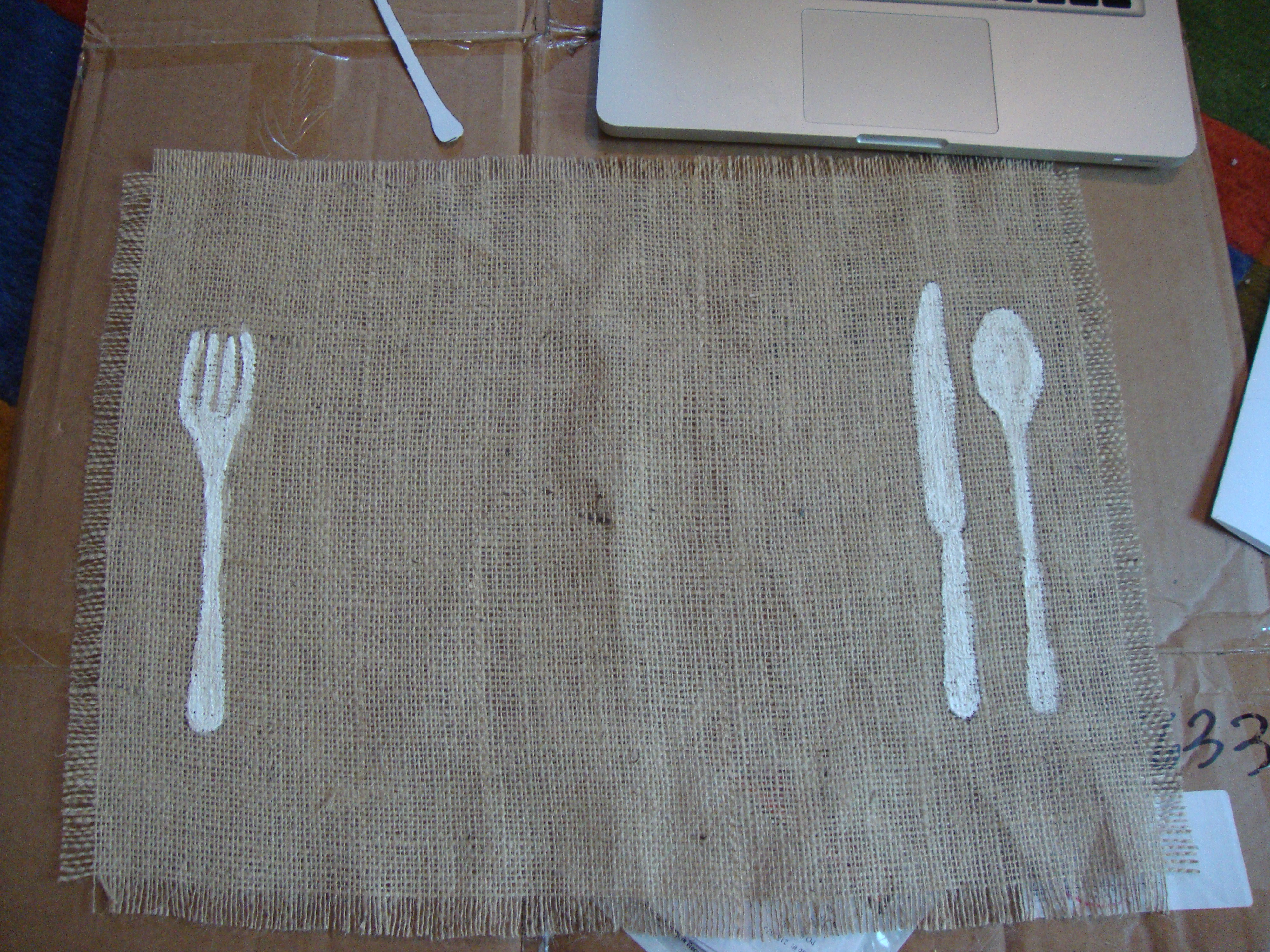
For the place mats, I cut a 15×20 inch rectangle. Once cut, I wanted to create a frilled edge, so I peeled away a few strings (about an inch along the edge). But then to make sure the edge wouldn’t continue to unravel past the point I wanted, I used ModPodge to secure the edge.

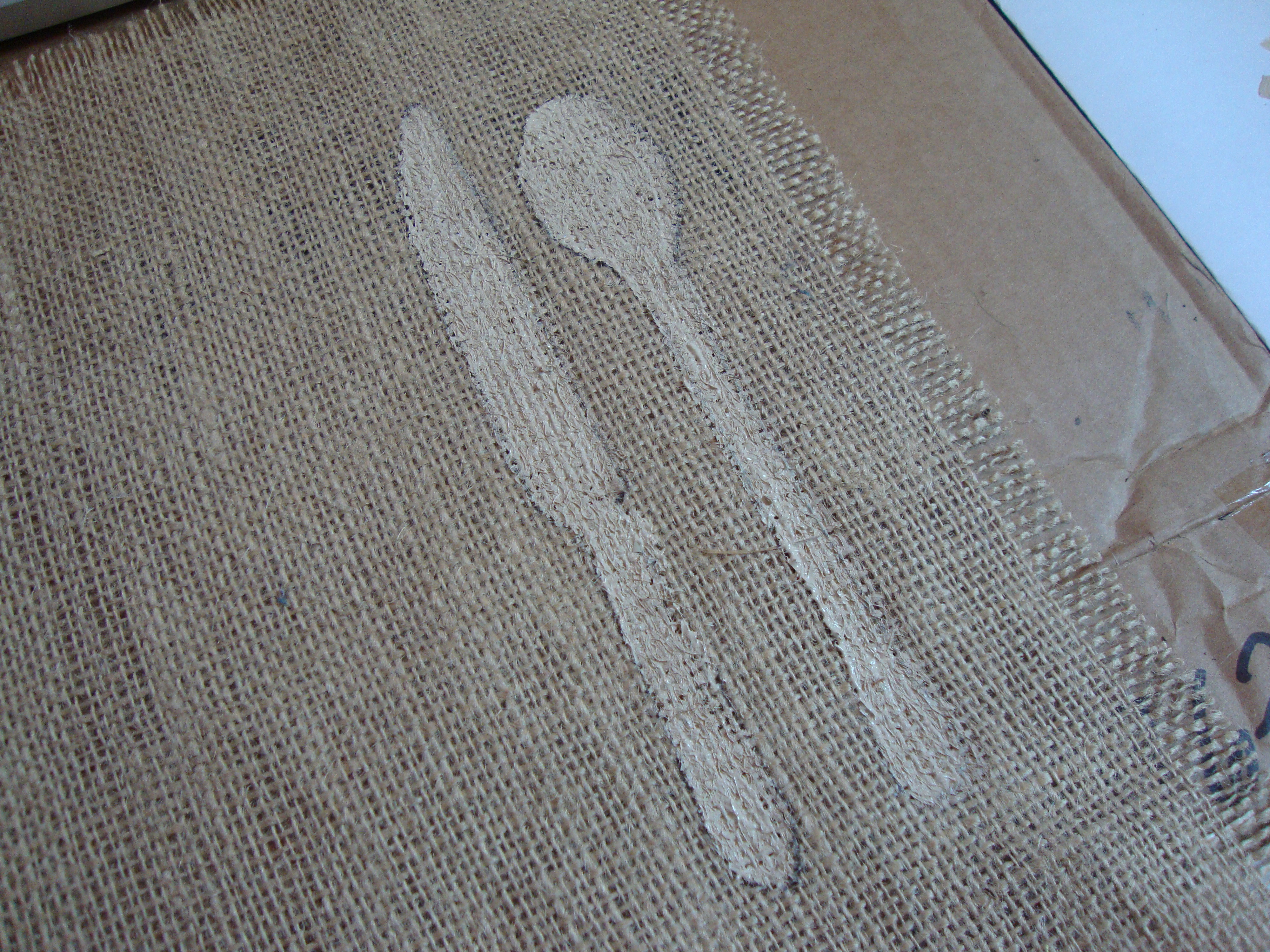
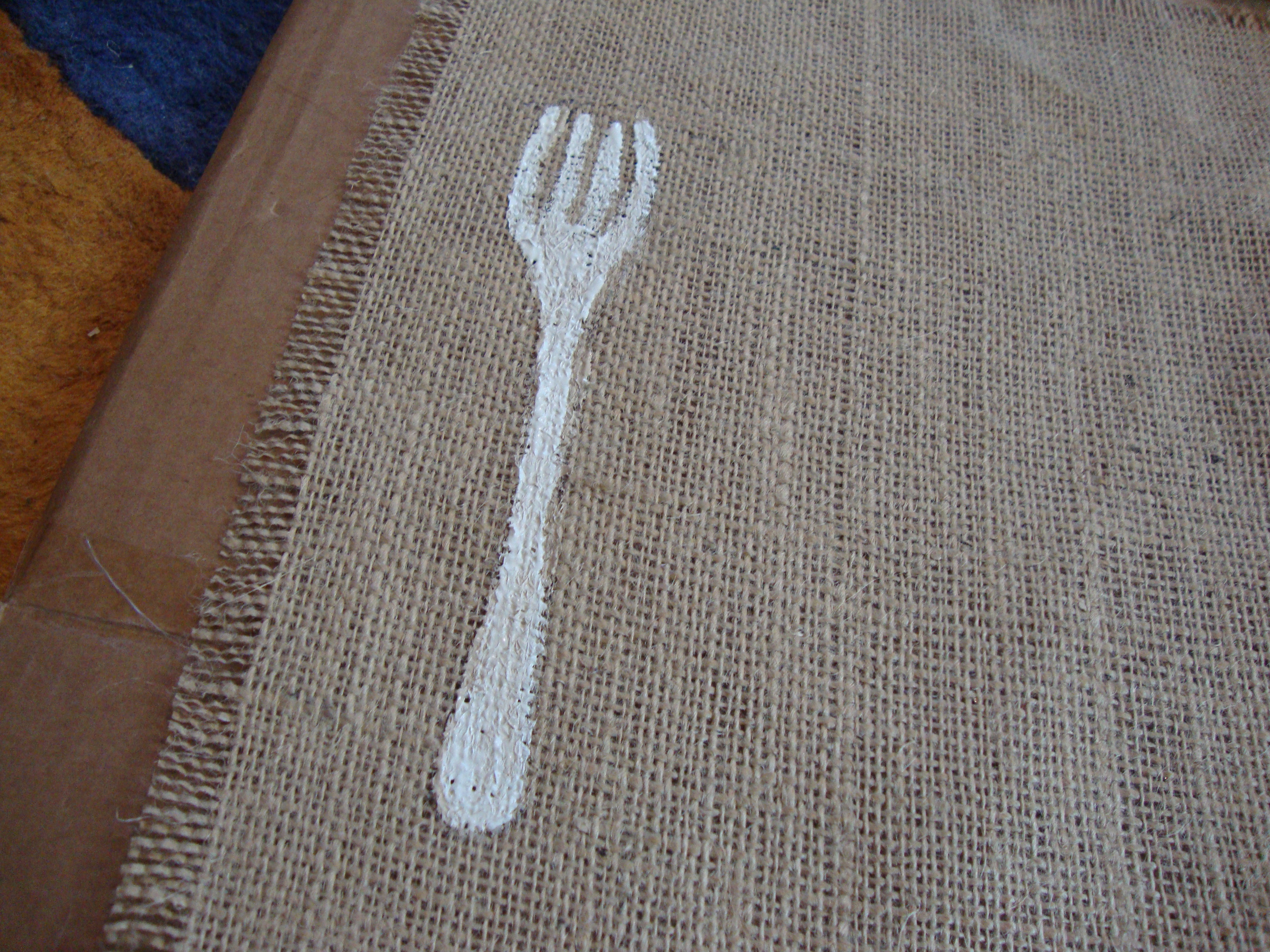
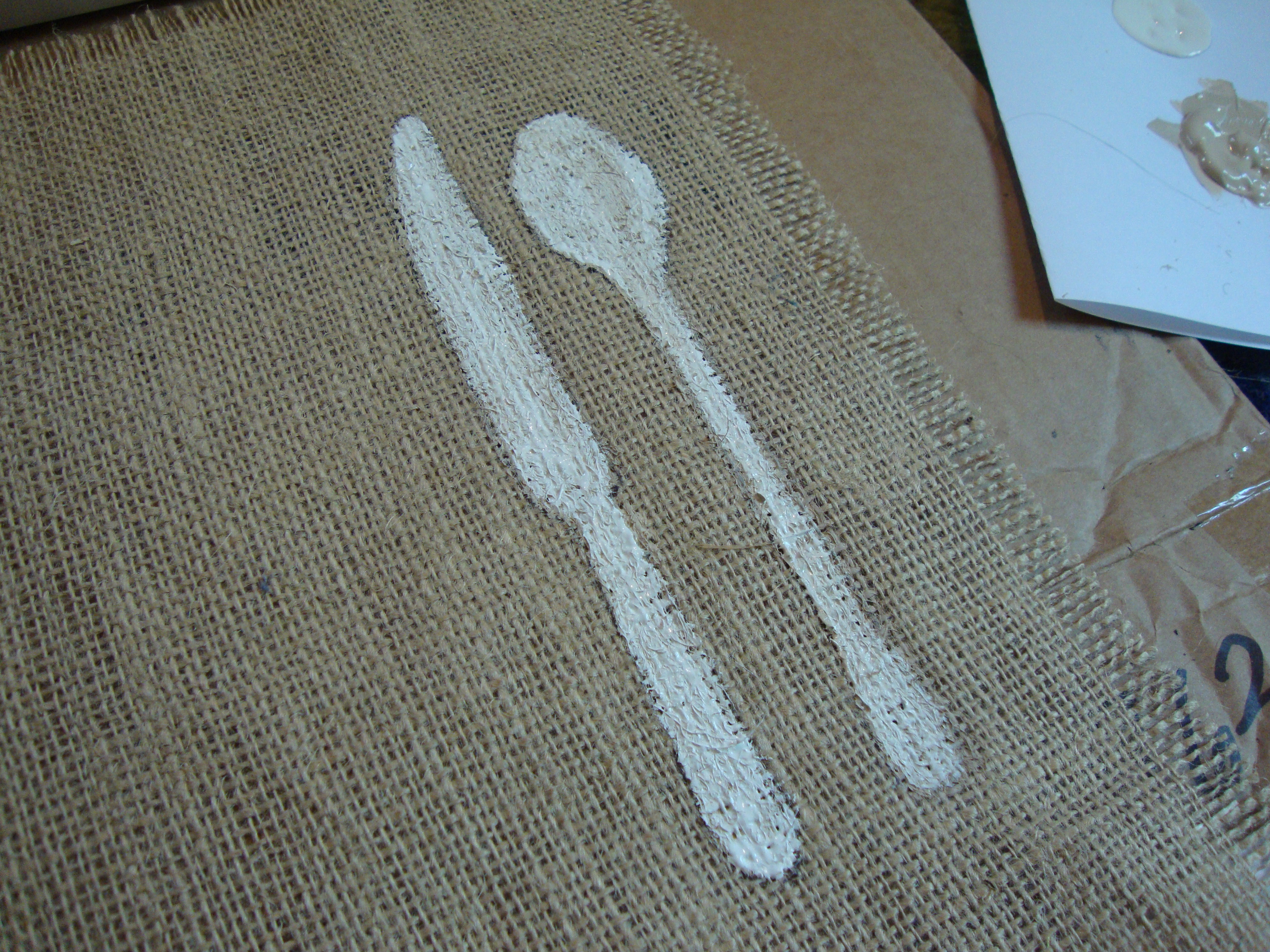
The place mat I saw in the store had painted on two parentheses, as so that they would surround the plate. I liked this idea a lot, but I didn’t want to flat out copy the place mat I saw in the store, so I decided to change up the design using the basics – the knife, fork and spoon. I cut out a template first out of basic computer paper and used a sharpie to outline the design on the burlap.

Then I simply painted over the template I made. I started with layer of paint that was very similar in color with the burlap (thinking that if I didn’t like it, the mistake could easily blend in). Then I added a second layer using a bright white paint.

Which brings us to the finished product…


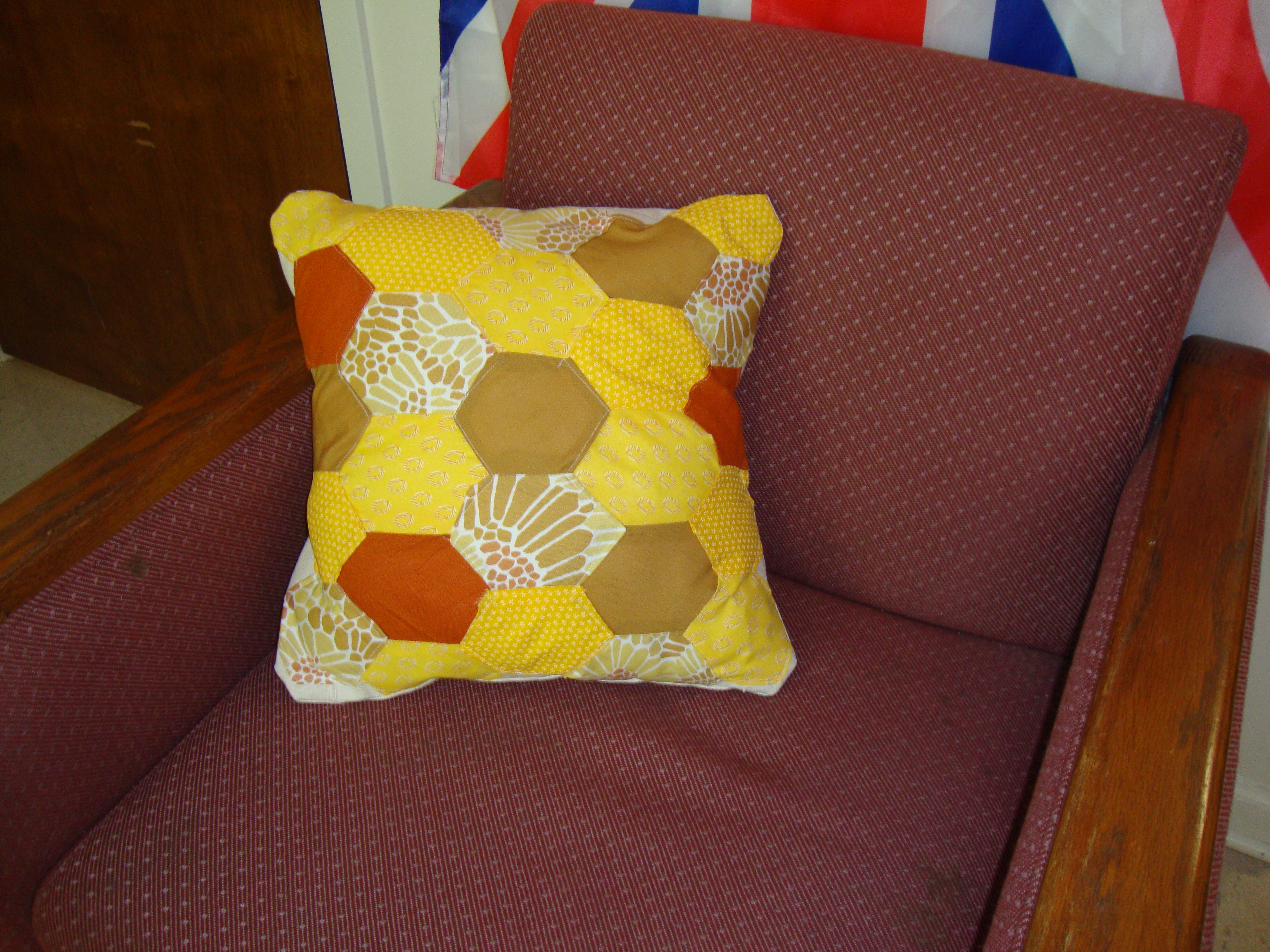
Sweet Honey Pillow

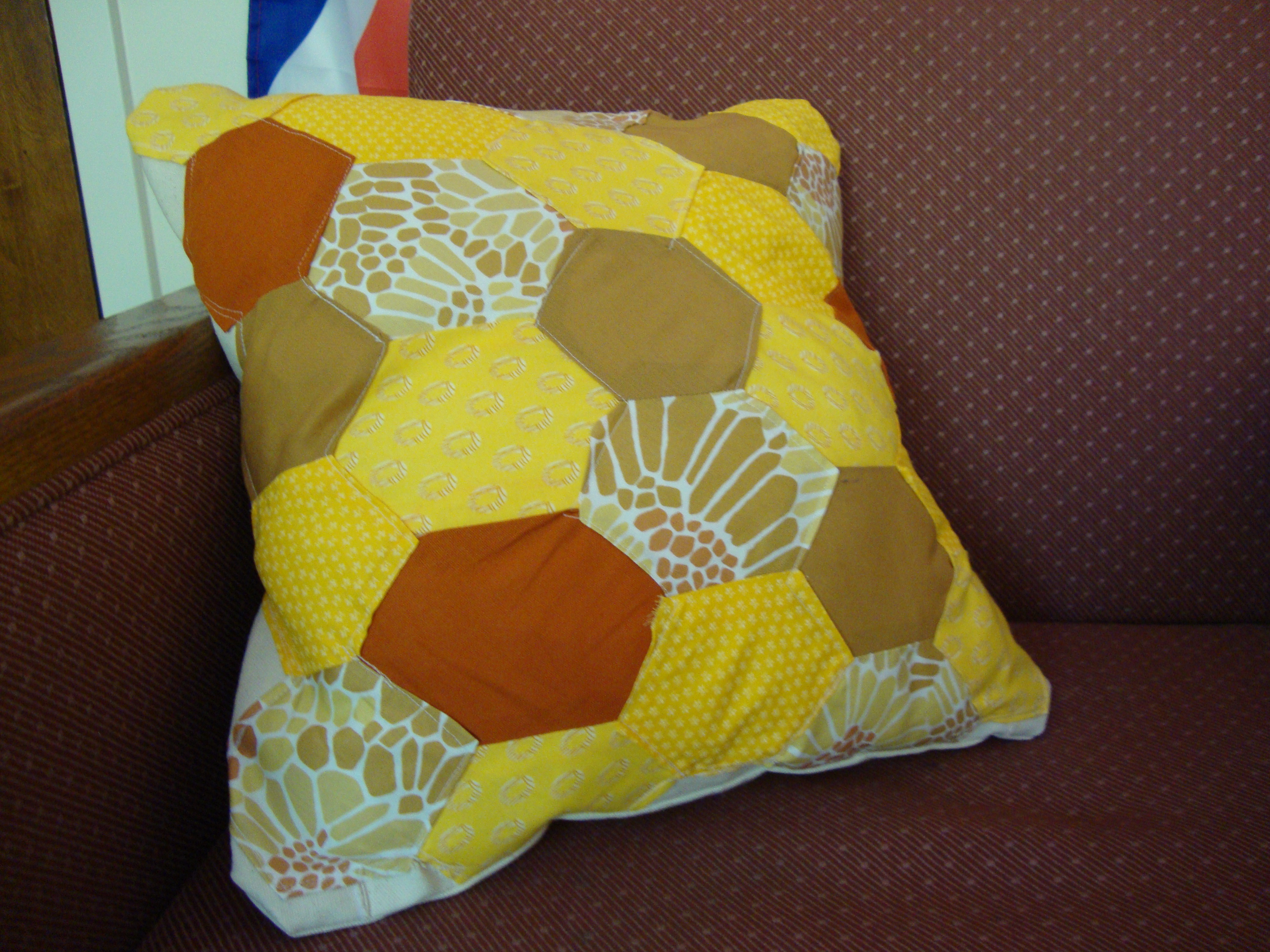
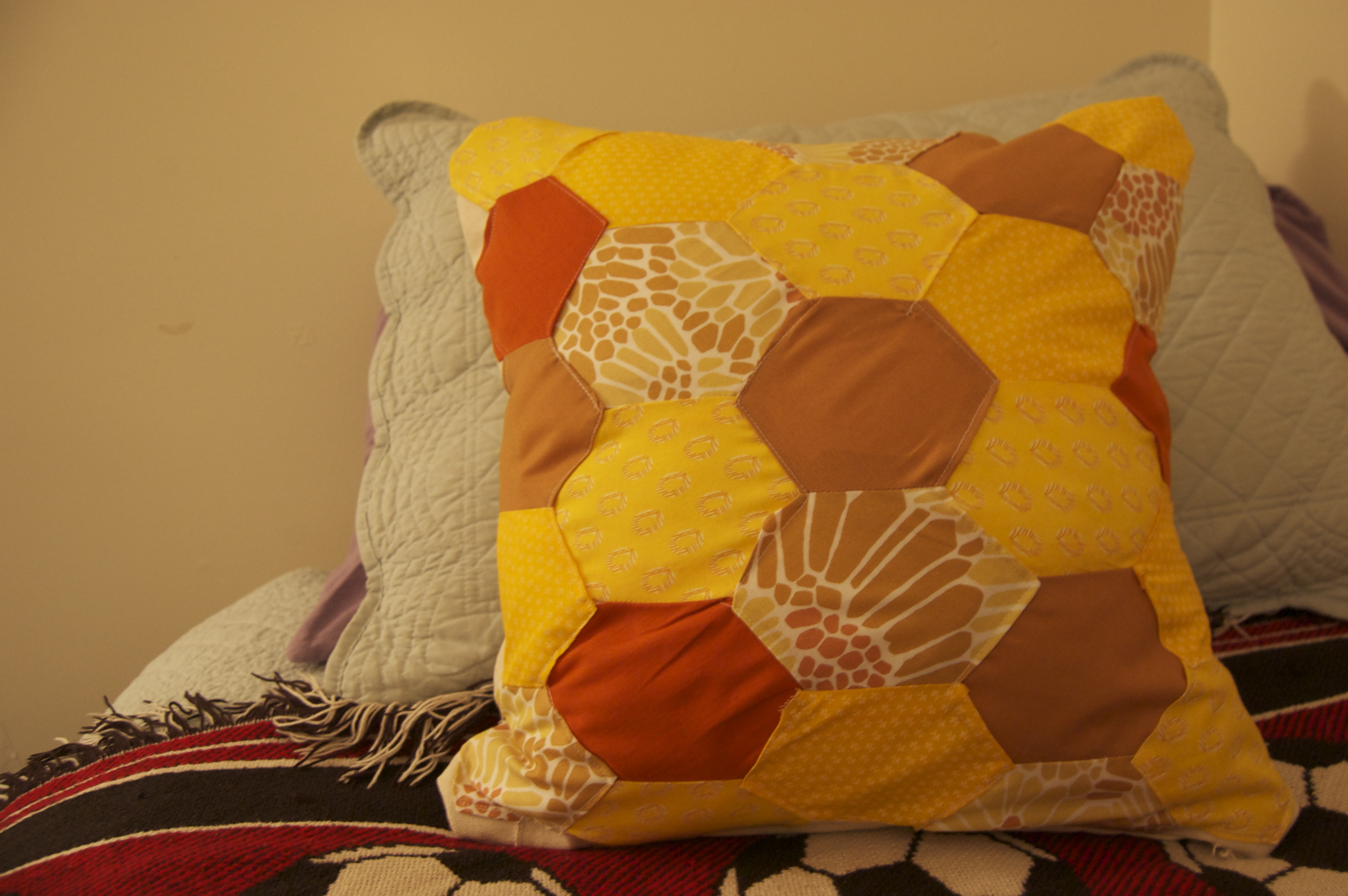
As the heat rises for the approaching summer, I couldn’t help but be inspired. I have been admiring quilts lately (with the goal of making one myself soon) and I stumbled across one made of hexagons. I instantly thought of honey bees, honey comb… and as you can see I got to work.

I measured and cut out my stencil (with a 1/2″ seam allowance) and gathered all the leftover yellow and orange fabric I had. And started cutting.

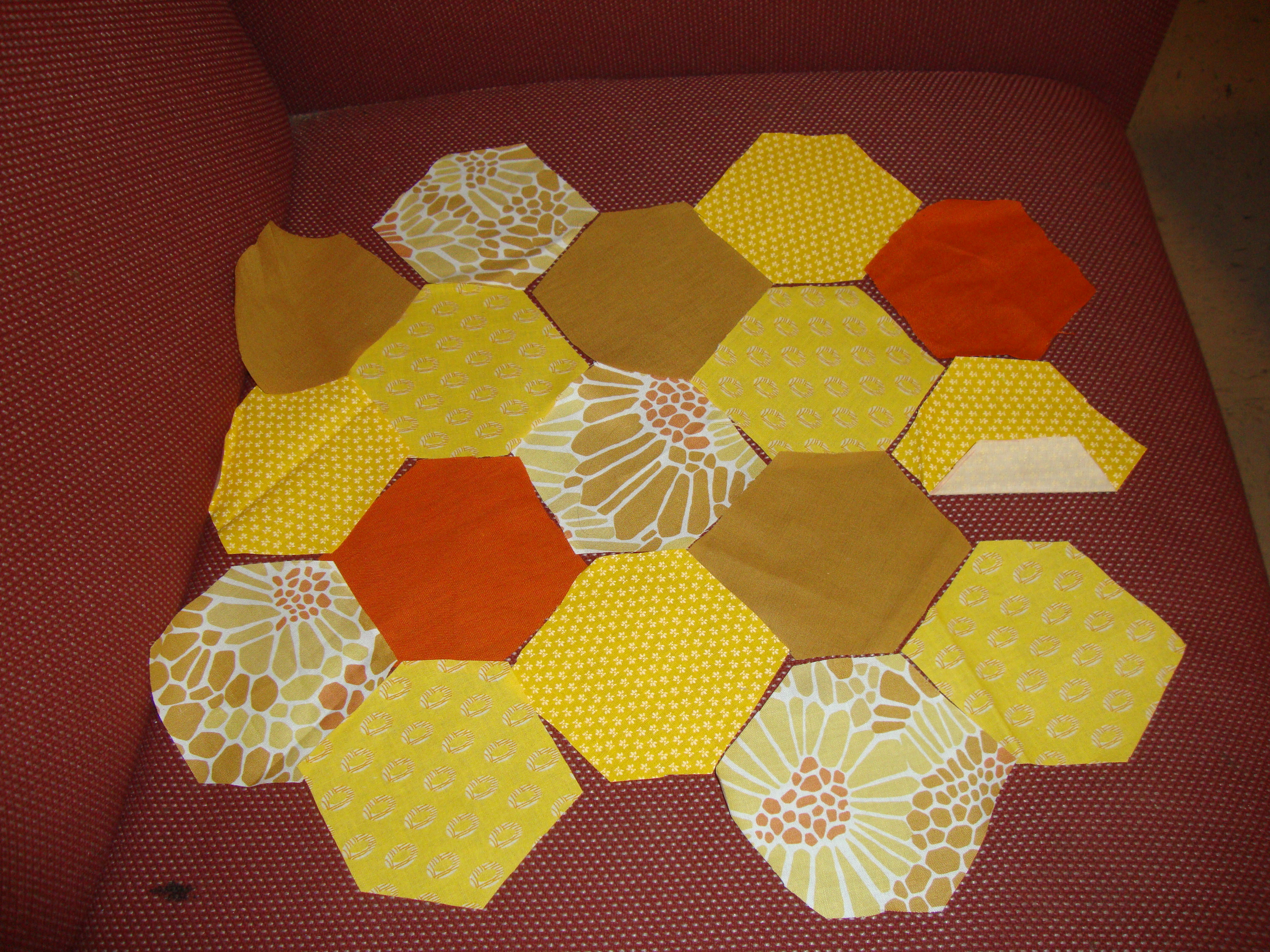
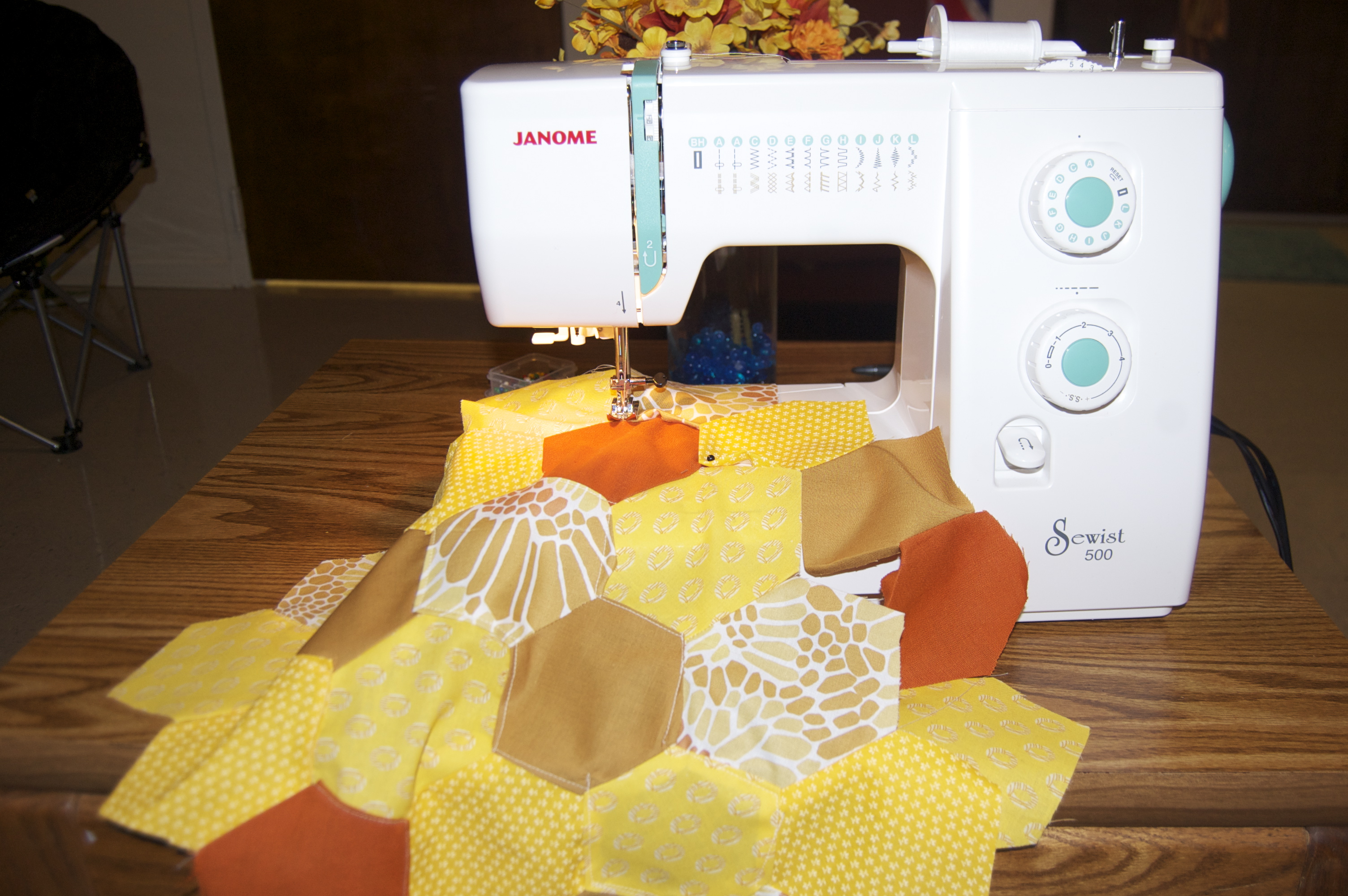
Once cut out, I laid out the pieces (I ended up having to add more pieces than pictured above) and I sewed together the columns.

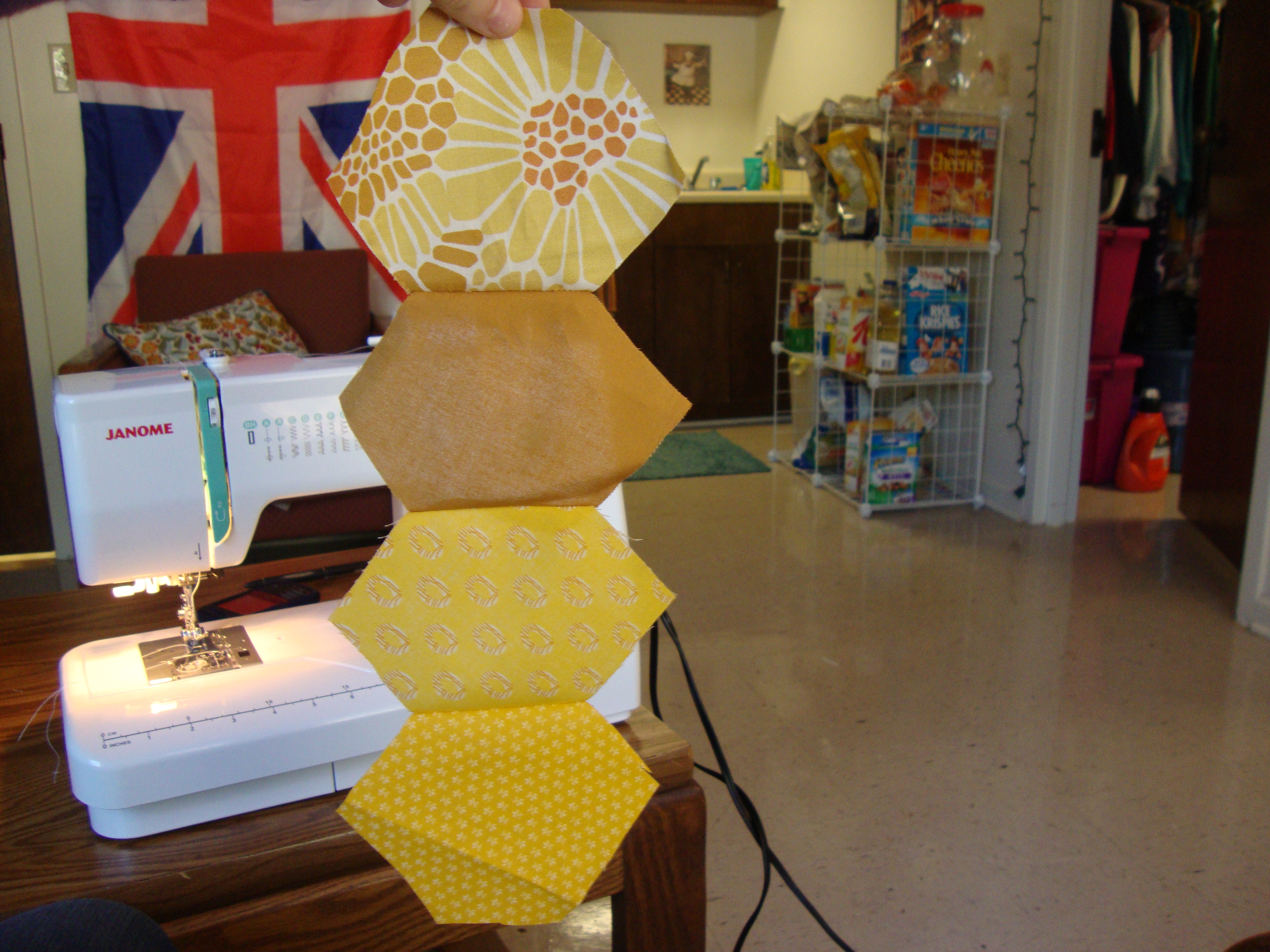
I wish I took a better picture of this next step, but basically what I did was layer the columns on top of each other (after ironing a seam on all sides) with the 1st row behind, 2nd row in front, 3rd row behind, etc. and sewed them together

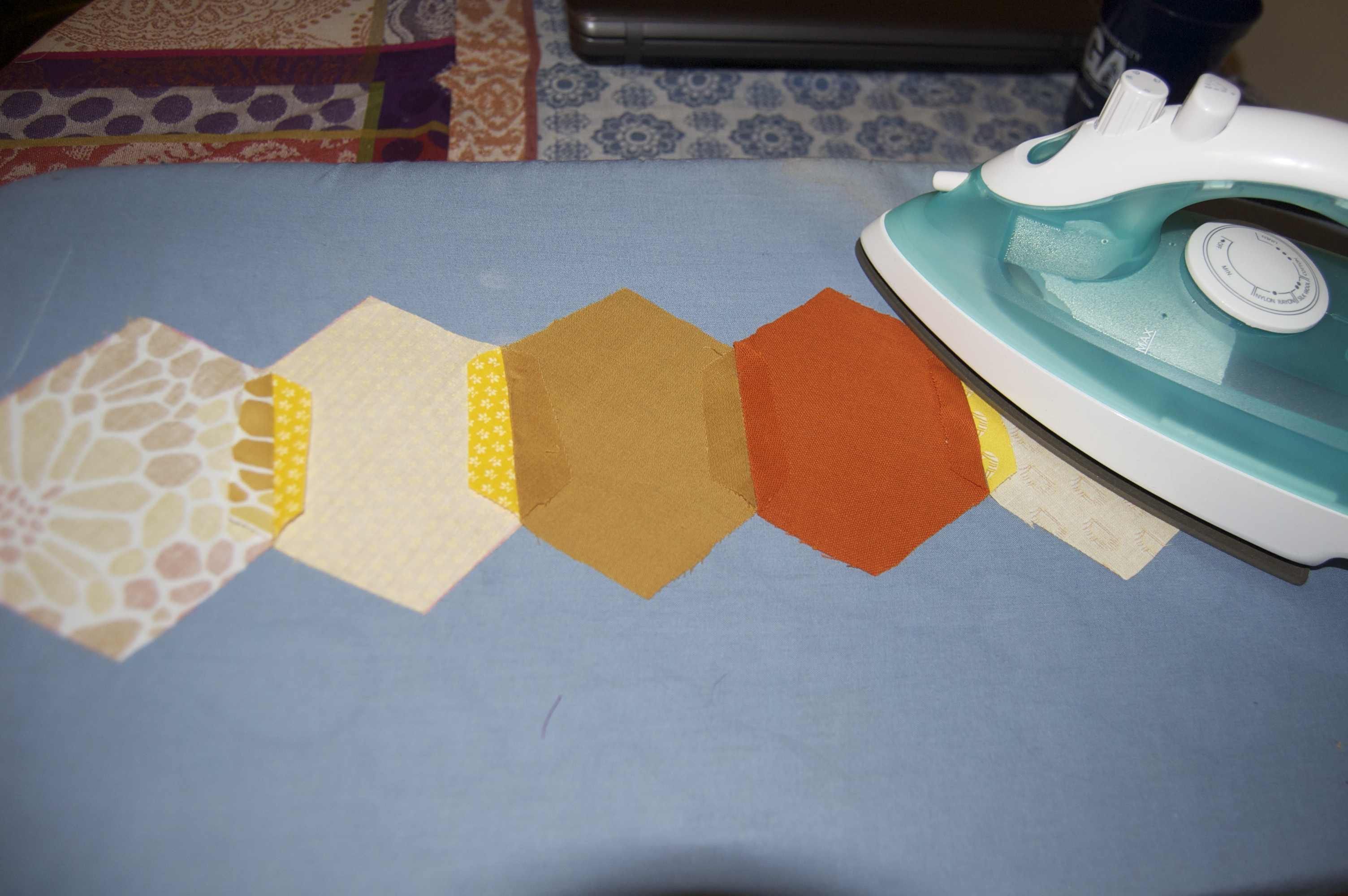
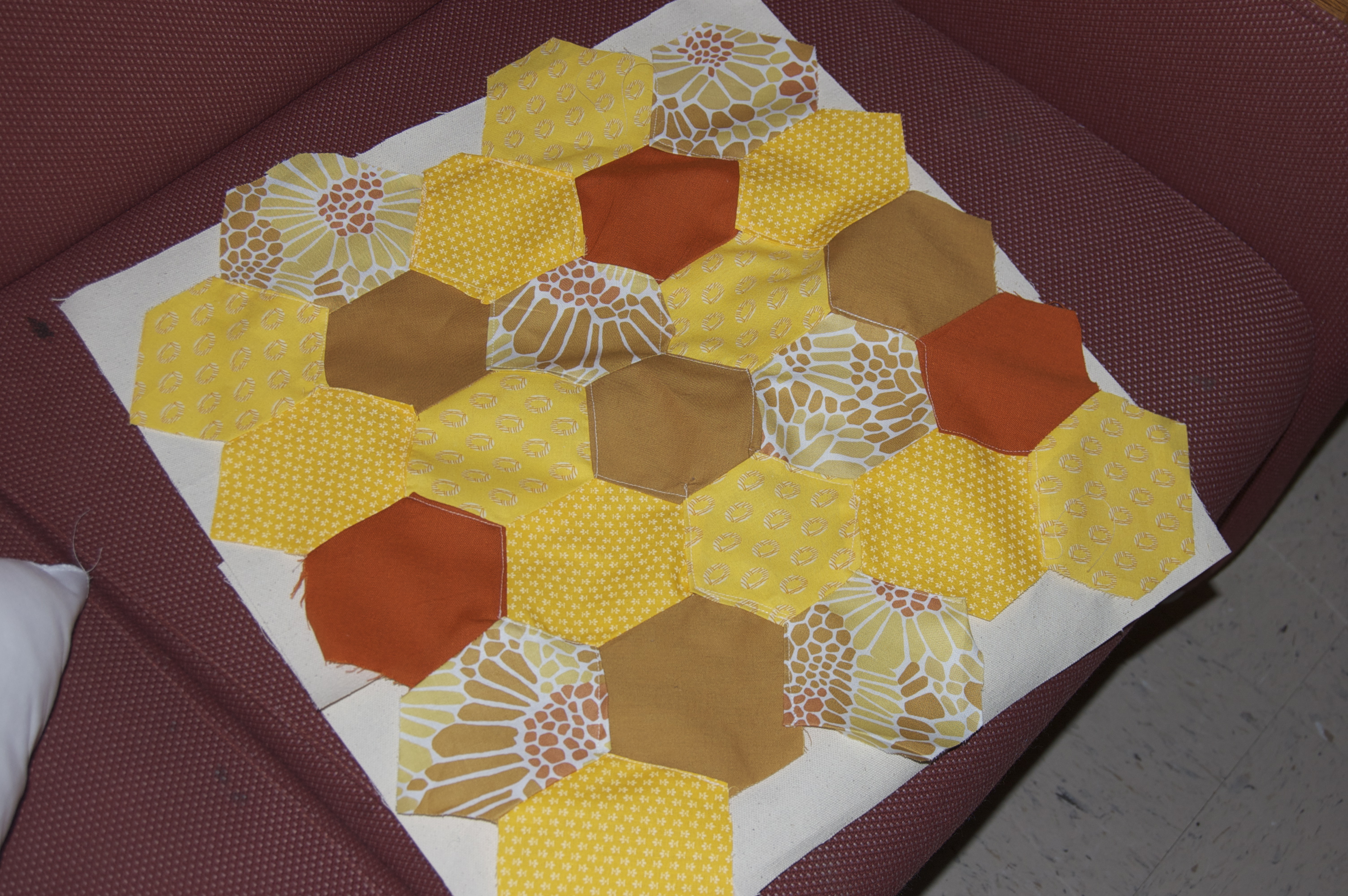
Once all the hexagons were sewed together it looked like this.

The square of hexagons weren’t enough to cover my 16×16 inch pillow form, so I took the canvas material I purchased for the back and four 2×17 inch long strips. These I pin together along the sides and then sewed along the hexagons’ edges to attach in place.

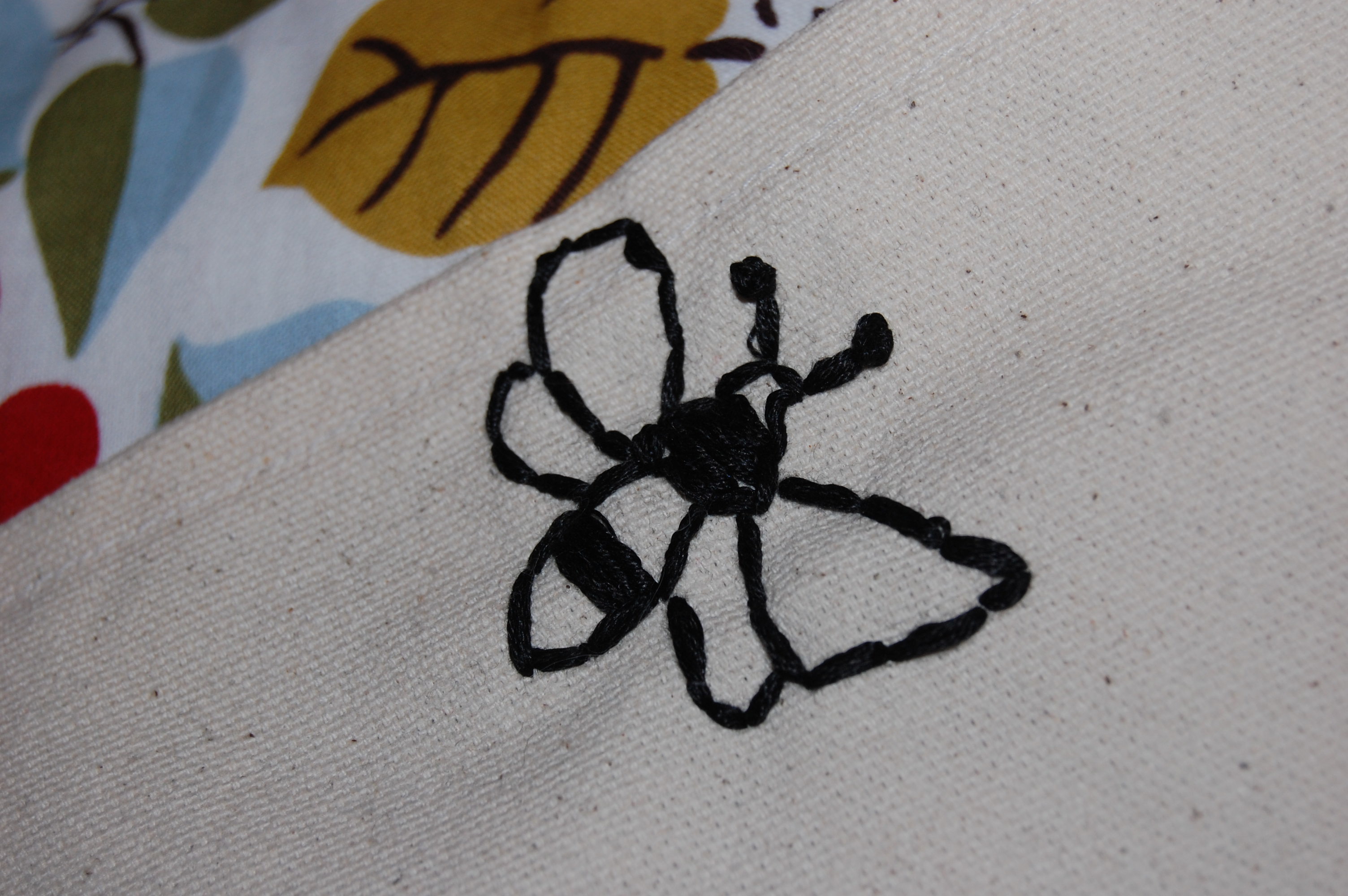
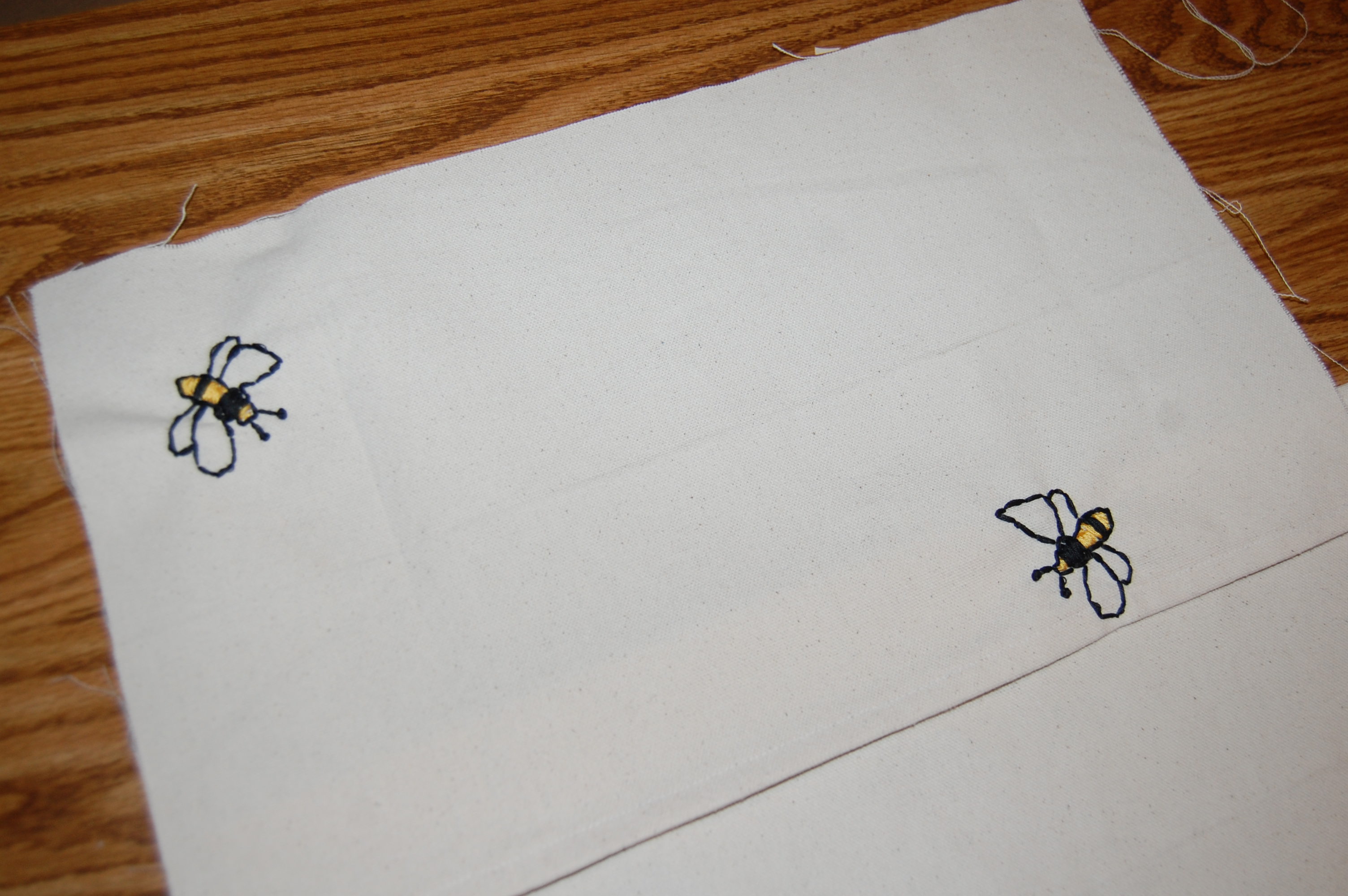
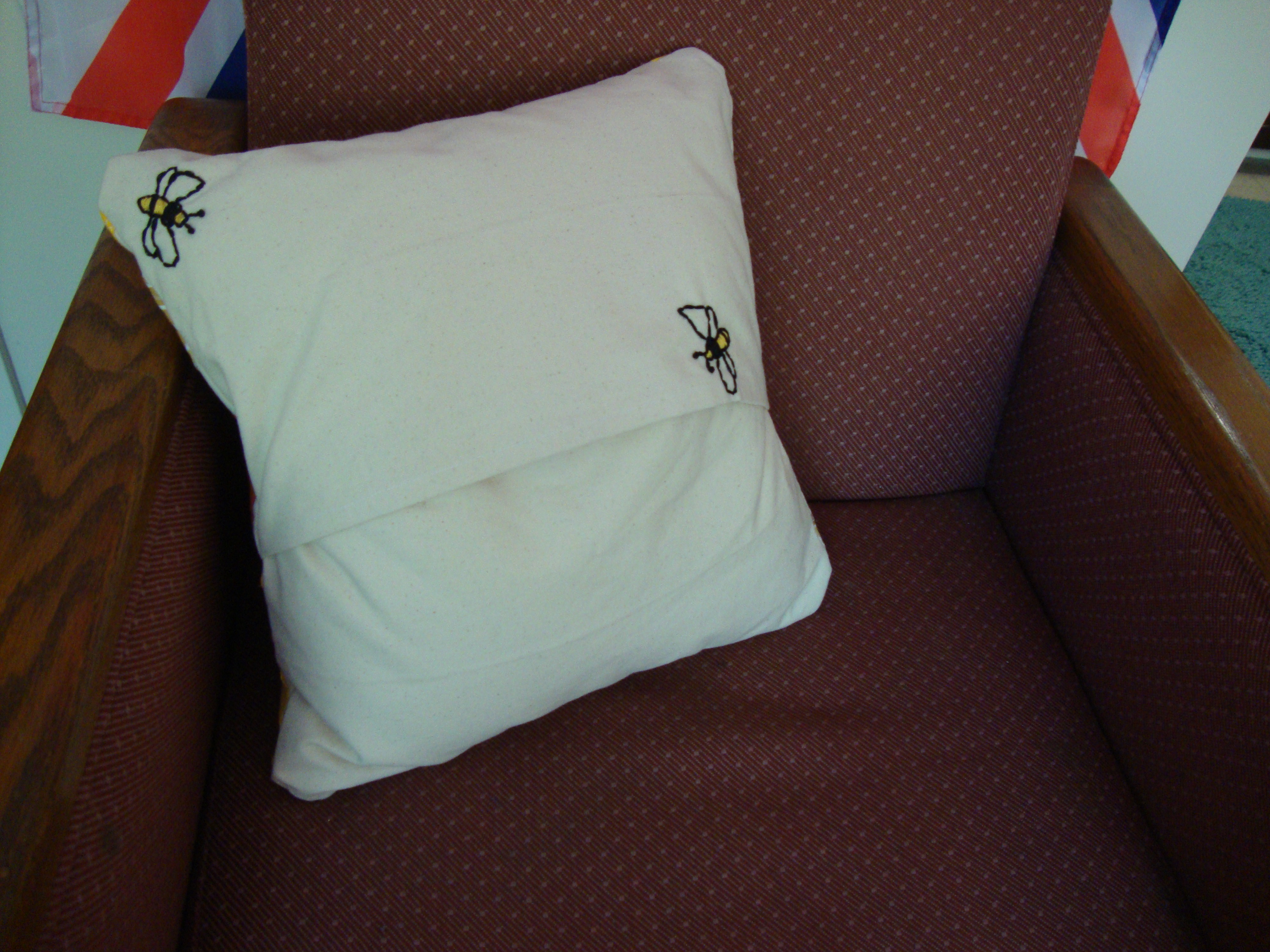
With that together, I started working on the back. Again for my 16×16 inch pillow form, I cut 2 12×17 inch rectangles to serve as my envelope back. And just in case people didn’t get the idea of honey bees from the front, I wanted to add a subtle hint by embroidering on some bees.

The final step was to sew it all together, with the right side always facing in. Simply layer the three pieces on top of each other and sew (with a 5/8 seam allowance) around all four edges. Cut off all the extra thread, flip it around, add the pillow form and pat yourself on the back for making a pretty adorable pillow!

Anthropologie Inspired Tablecloth

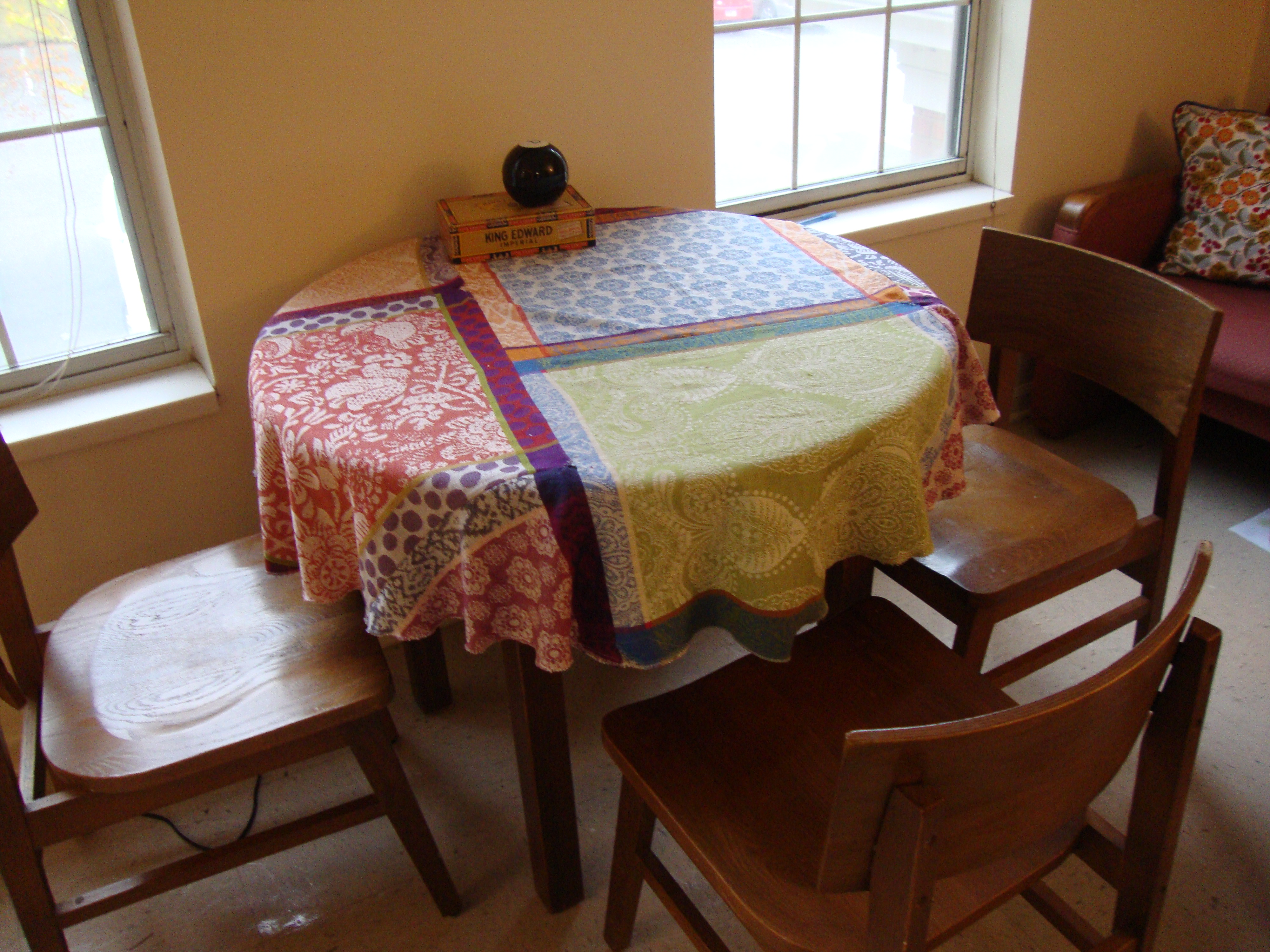
I don’t shop at Anthropologie often, because let’s face it, who can afford it? But goodness, do I love that store. My roommate one day pulled out a napkin from the store that someone gave her as a gift, and it sparked my inspiration – a tablecloth made up of cloth napkins. So I went online and found these. The napkins come in a set of 6 for only $32.

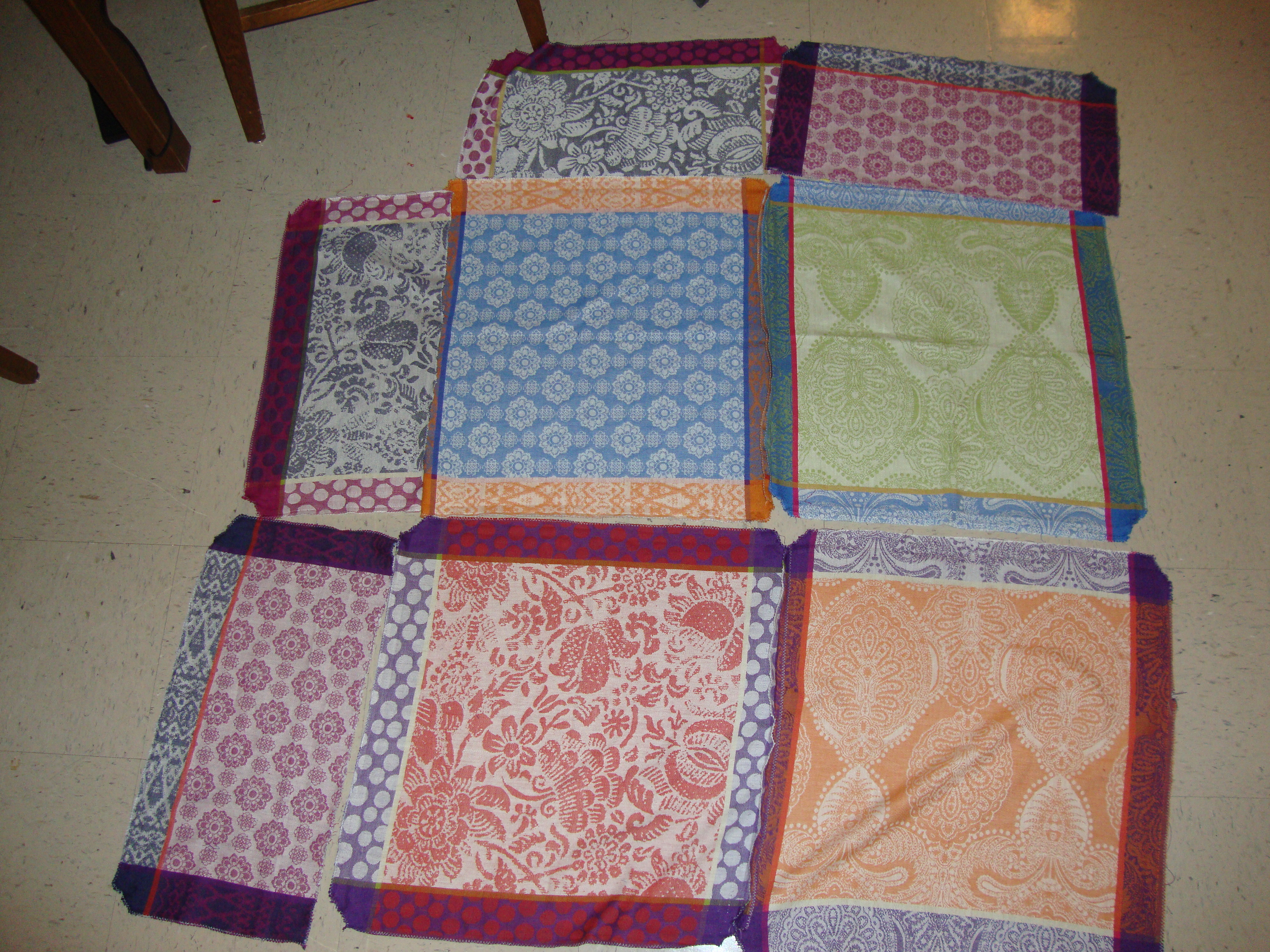
With the napkins, I wanted to make a table clothe. My game plan was simple – to sew together the 20×20 inch napkins into a large square and then cut out a circle. With only 6 napkins, I had to do some planning, but first I wanted to make sure I could use every inch of fabric. So I took out the hem, adding about an inch of fabric on each side.

Once I removed the hem, I needed to secure the edges so they wouldn’t continue to fray. This is how I discovered the overcasting stitch feature on my sewing machine (I know this is probably something really basic, but you’ll have to bear with me. I’m relatively new to a sewing machine.)

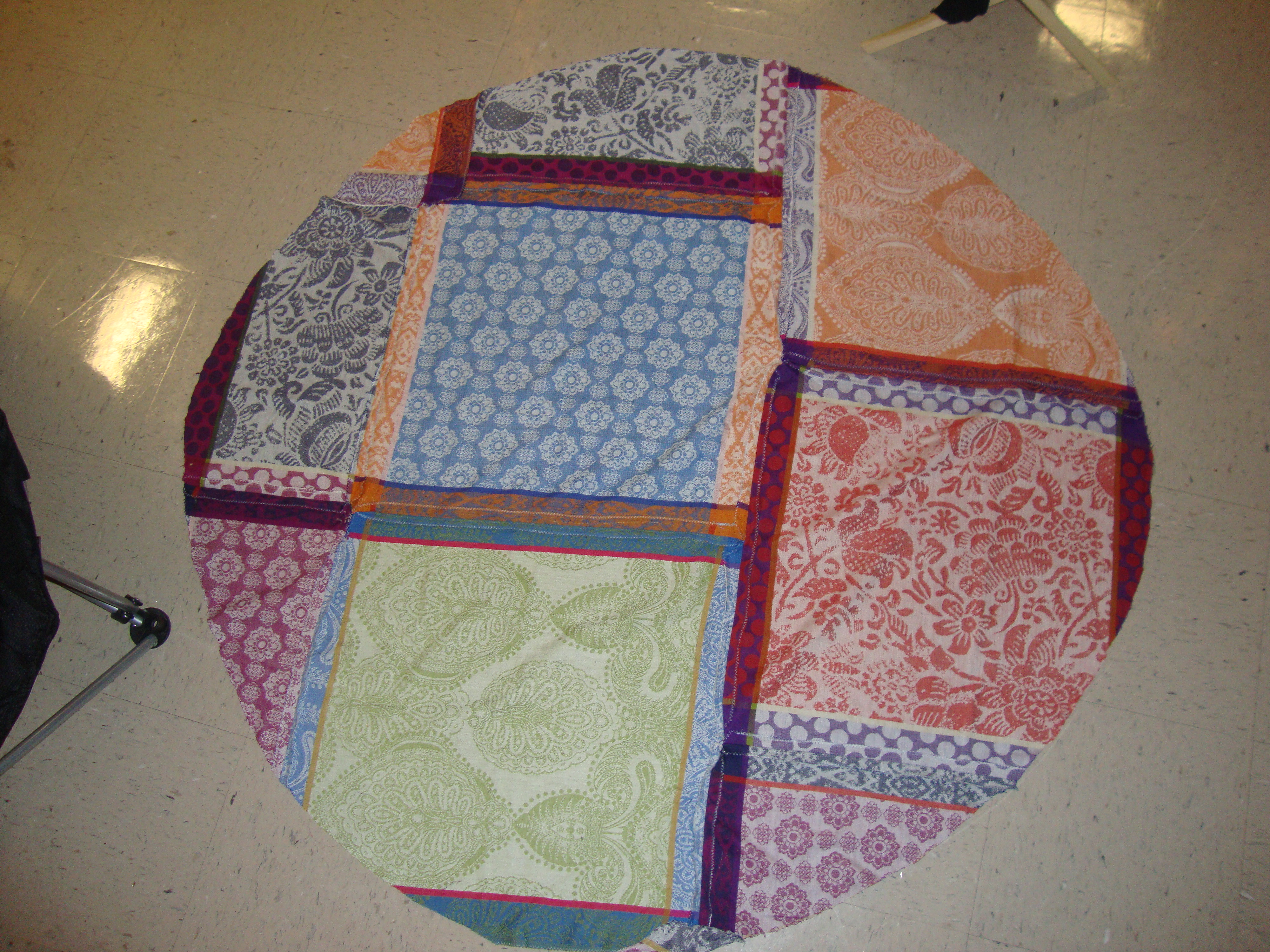
Once I had stitched over all the edges, I began to lay everything out. I needed to make a 50×50 inch square. So I kept 4 napkins whole and cut 2 napkins in half, placing those on the outer edge. If you notice, that leaves a 10×10 inch square missing, but I’ll come back to that later.

So I got to sewing each piece into place. The napkins’ corners were cut off, which caused a few hole to appear when sewing them all together. But I just decided to embrace the patchwork-ness of it all, and I simply hand sewed it together.

And then using the technique I learned on my last table cloth, I marked the fabric to cut out a circle.

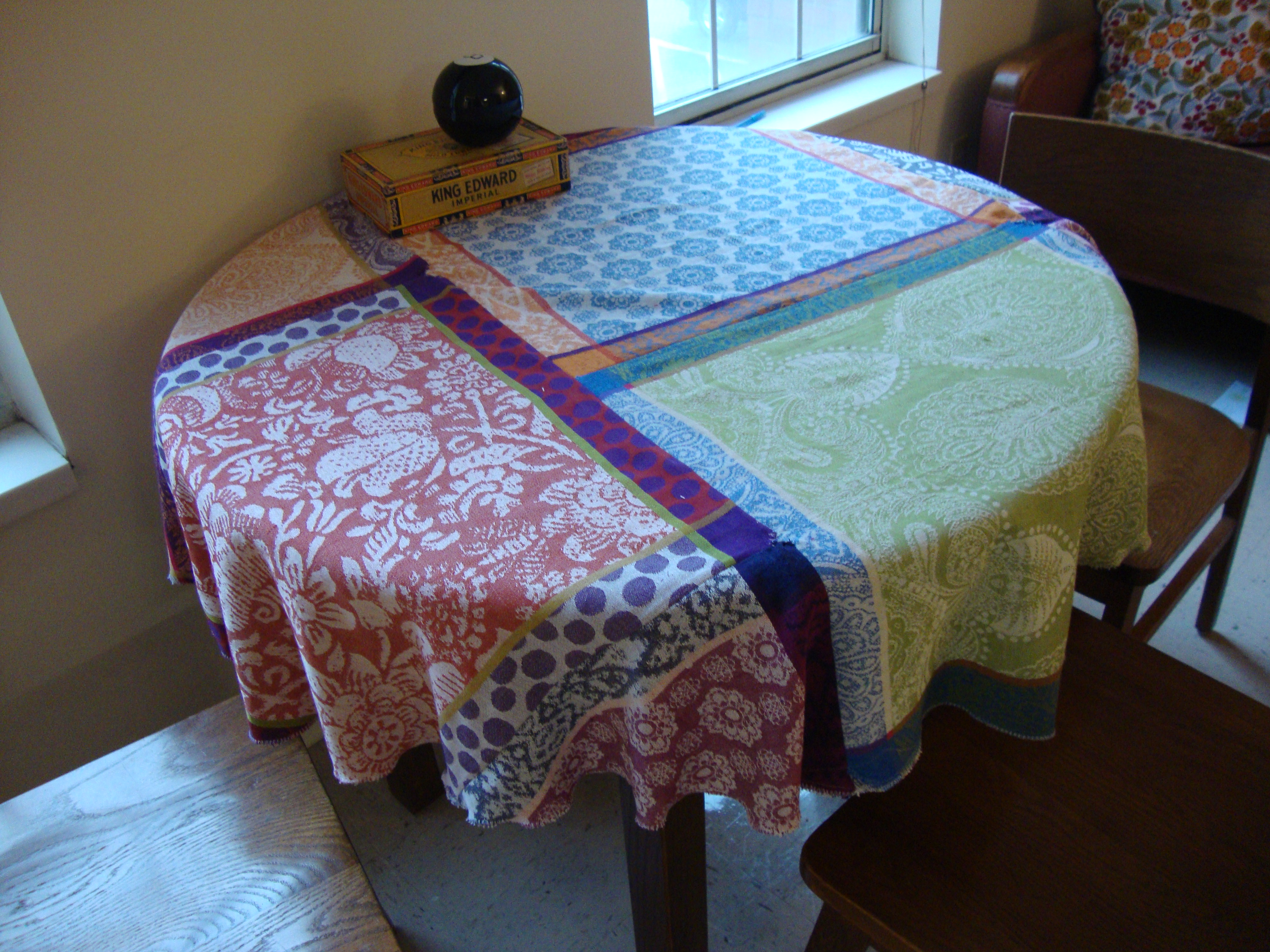
I found this fabric rather difficult to measure and cut. And as you can see, I was unable to cut a perfect circle. But since this is inspired by Anthropologie, why not accept their homemade philosophy. It’s homemade; it doesn’t have to be perfect. (It just has to look adorable!)

Now, back to one of my original problem – the 10×10 inch missing square. Well once the circle was cut out, the missing piece was easy to fix. I simply took  a piece of the scraps leftover from cutting out the circle and patchworked it into place using a simple straight stitch.

For the finishing touch, I decided not to hem the tablecloth, but instead to use the overcasting stitch again. I liked how it makes the fabric look raw, like it’s a scrap piece from another project.

And that’s it. I’ve learned you don’t have to shell out a lot of money for Anthopologie products. You just have to buy the cheaper, simpler ones and make them into something extraordinary.

Embroidery from the Heart

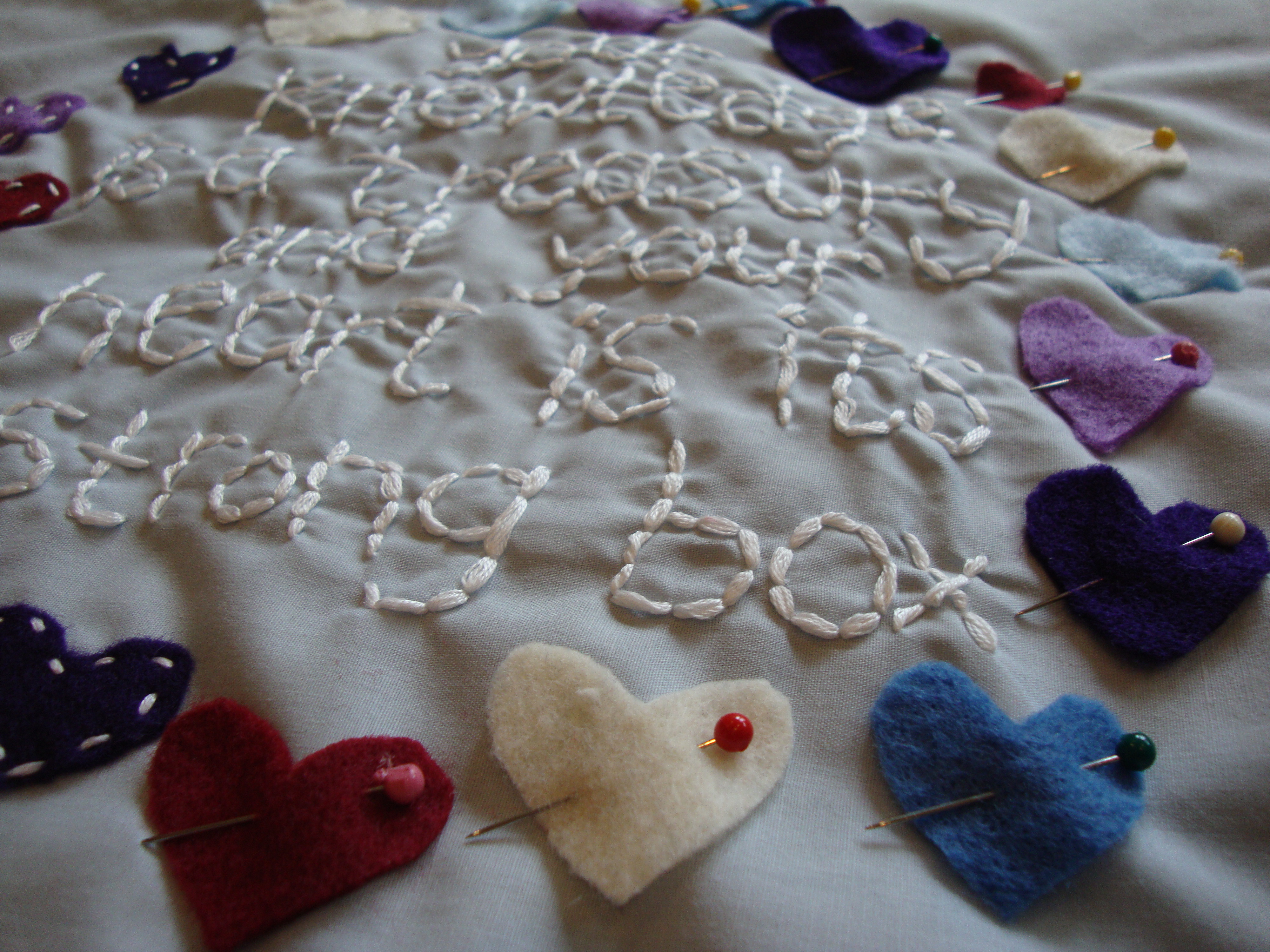
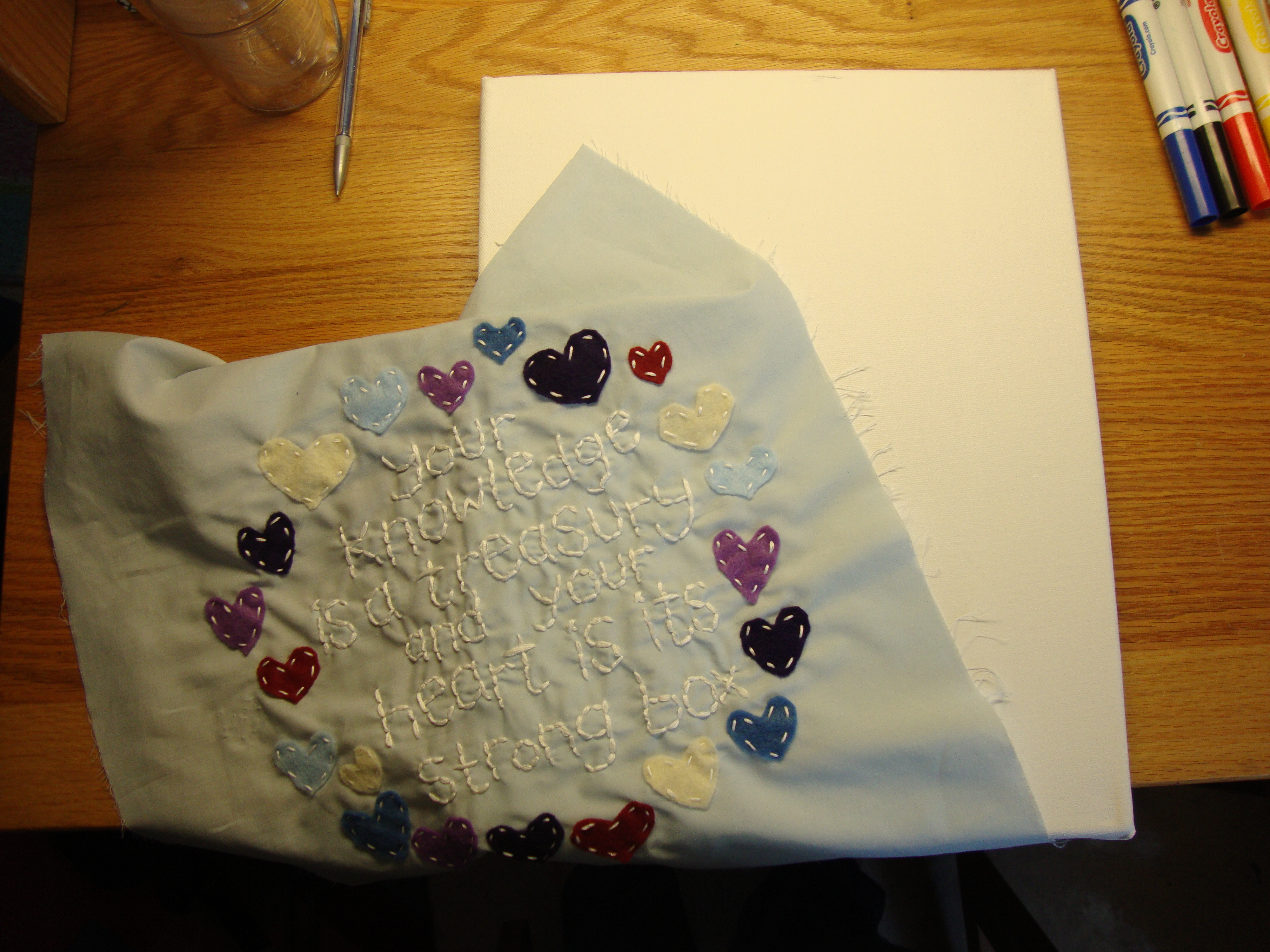
I stumbled across this quote in a conversation one day with my Mom. I naturally wrote it down, saving it for a raining day, and then 2 weeks ago, I found myself during a lazy evening picking out fabric and embroidery floss. The whole thing is really simple. I uses an embroidery ring, but as you can see, I made the mistake of not having the fabric tight enough. And I added some simple felt hearts to bring it all together.

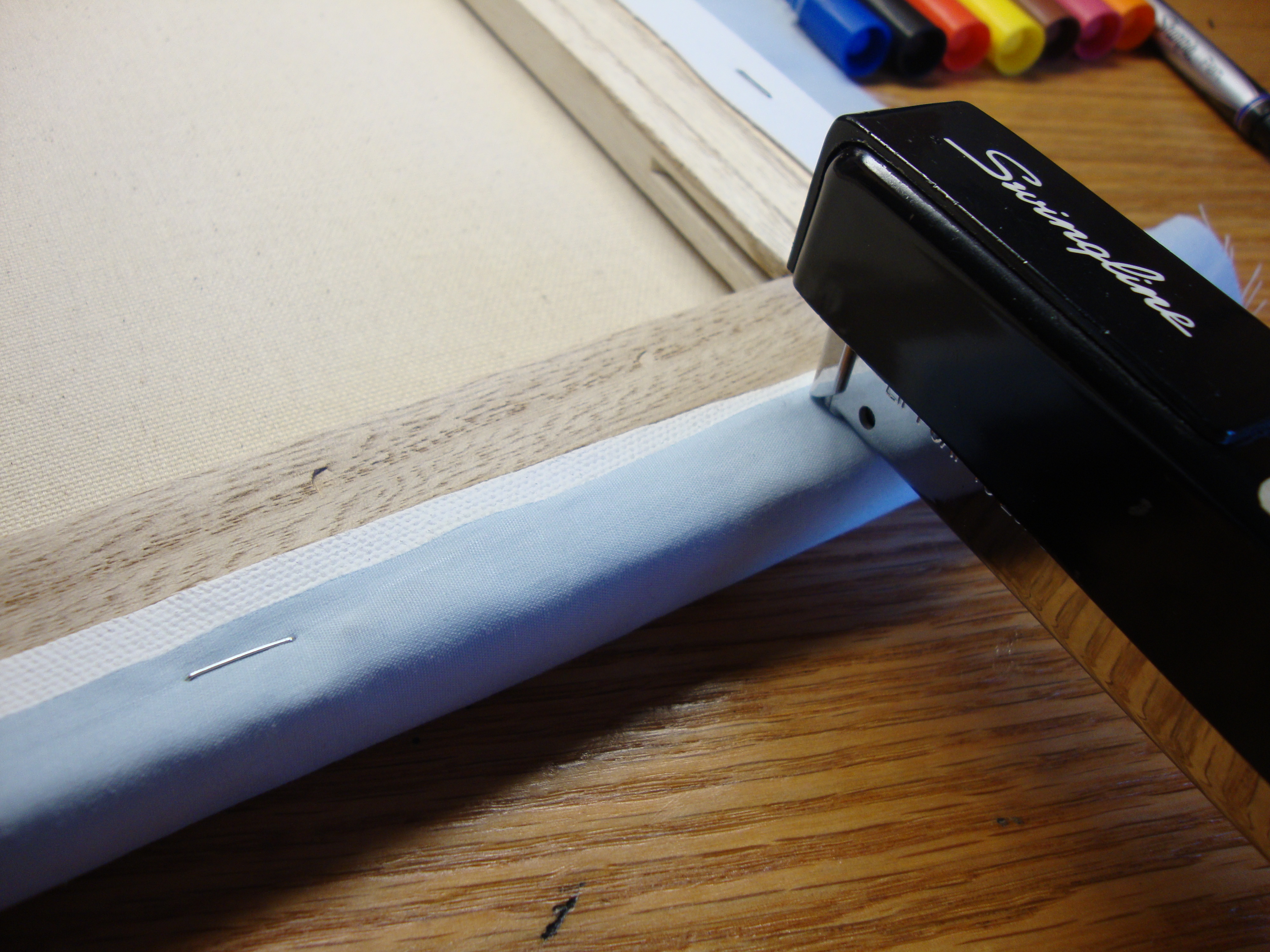
And then, to mount the finished piece, I took a canvas that had been lying around for awhile and stapled it all in place.

And there, you did it!

DIY: Throw pillow with Piping

Last week I ran into JoAnn Fabrics to buy something and found myself spending an hour in the store after I stumbled across this fabric. I finally decided that I wanted to make some pillows, so I purchased two 18×18 inch pillow form, a half yard of the floral fabric and a basic blue fabric to match, and cord to make the piping edge.

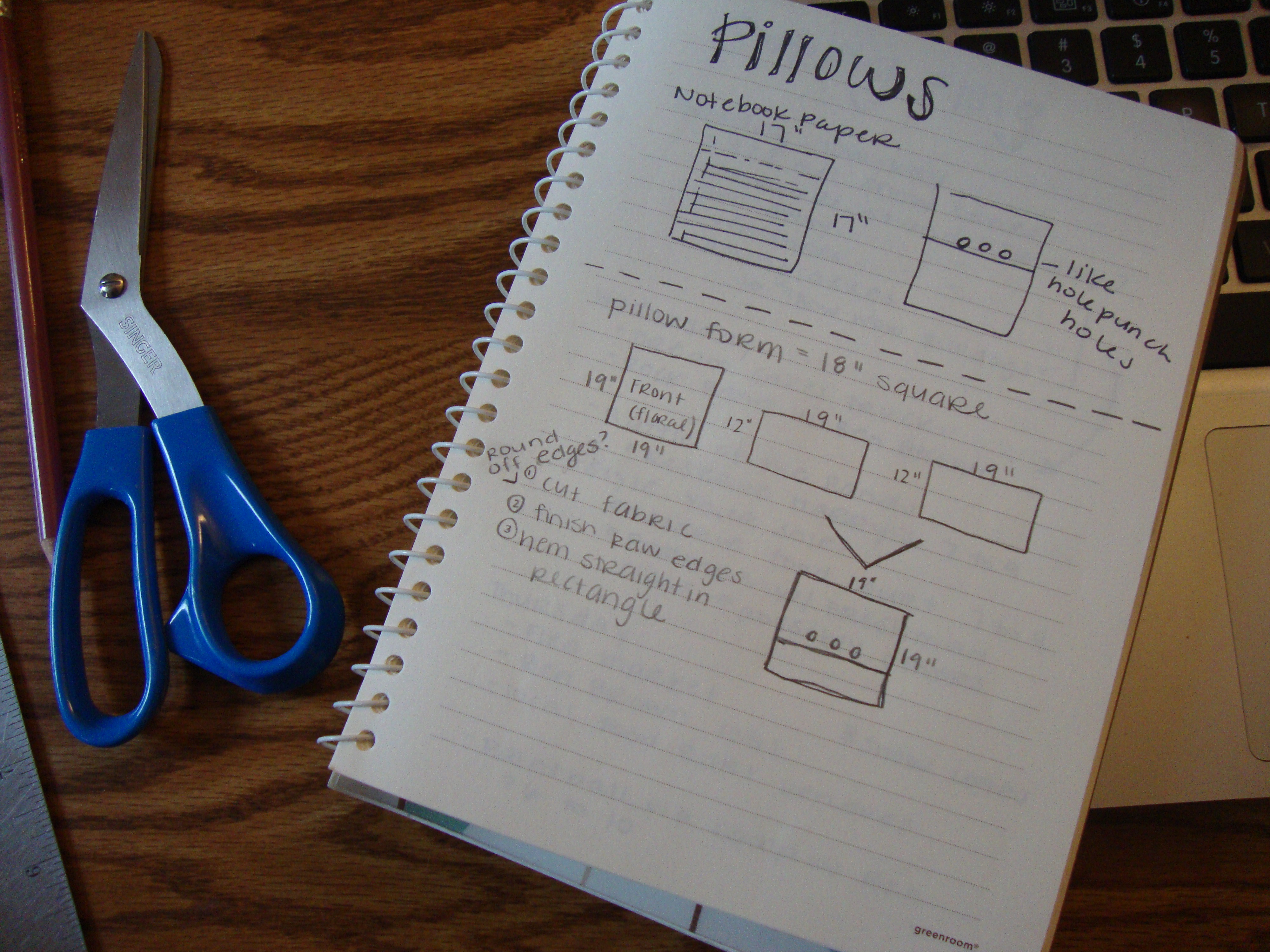
Before cutting the fabric, I made a game plan. For the 18X18 pillow, I planned to cut a 19×19 inch square (in the floral fabric) and then two 19×12 inch rectangles for the back (in the blue fabric). And then for the piping, I calculated I would need it to be 72″ long.

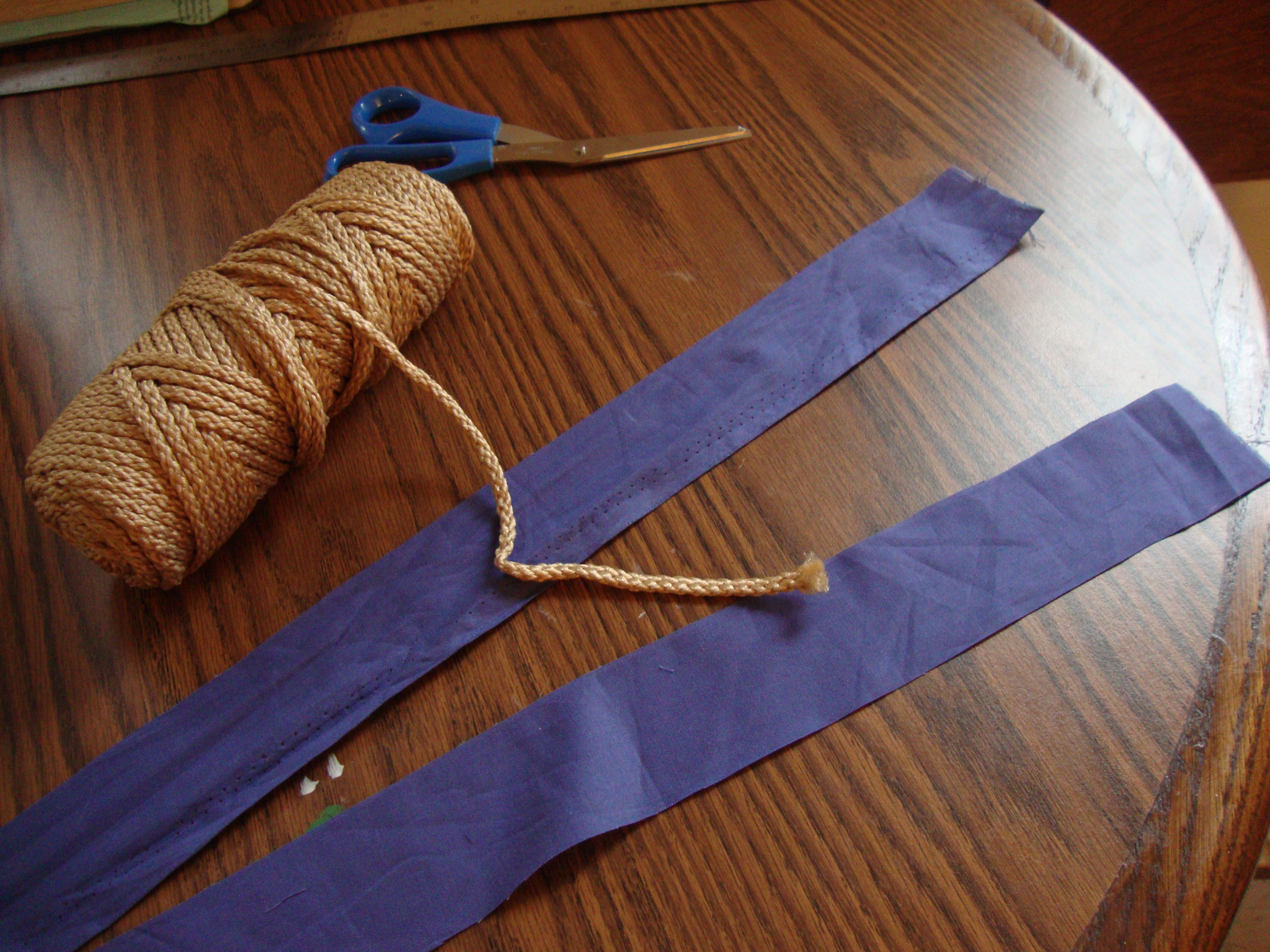
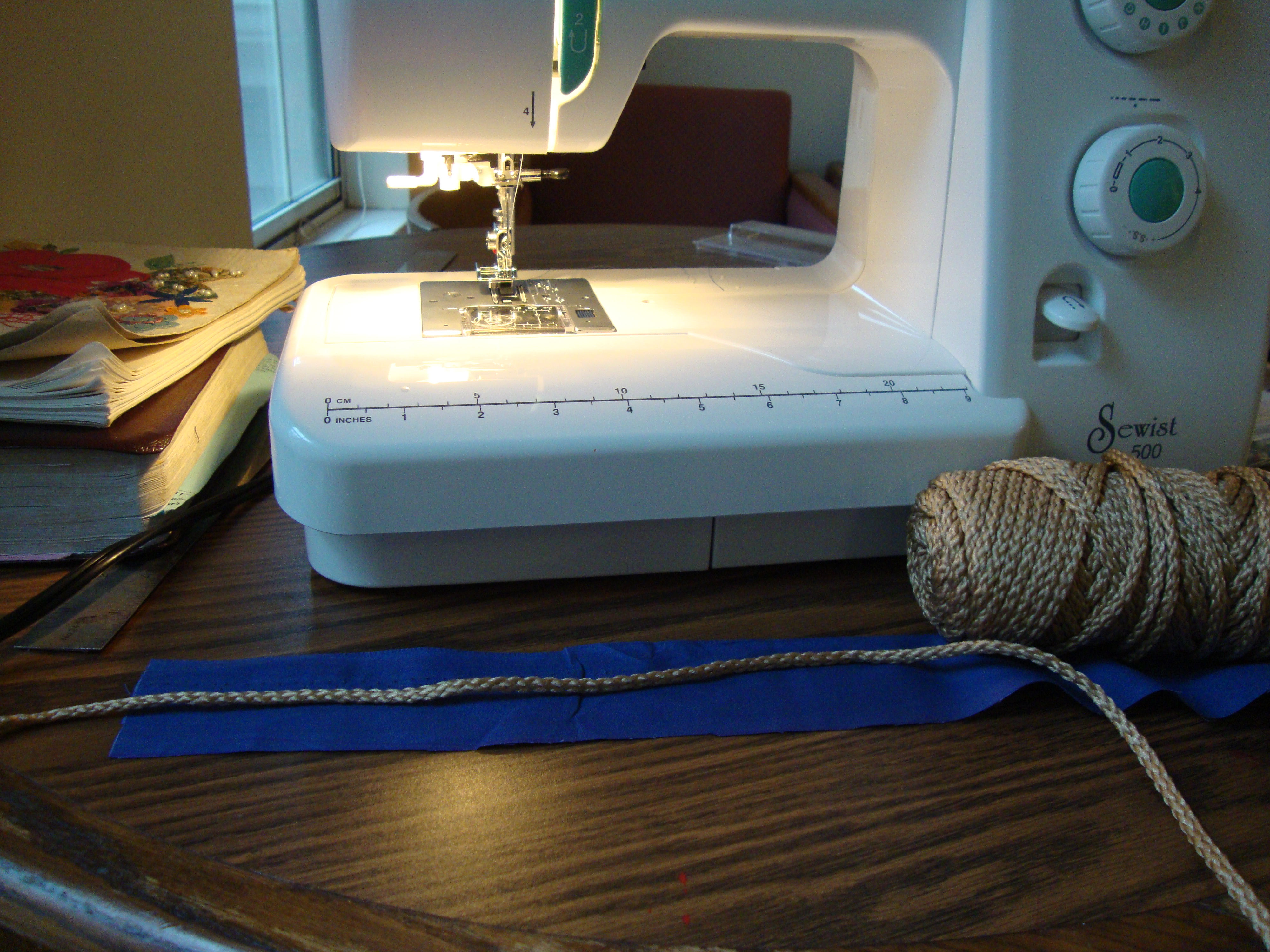
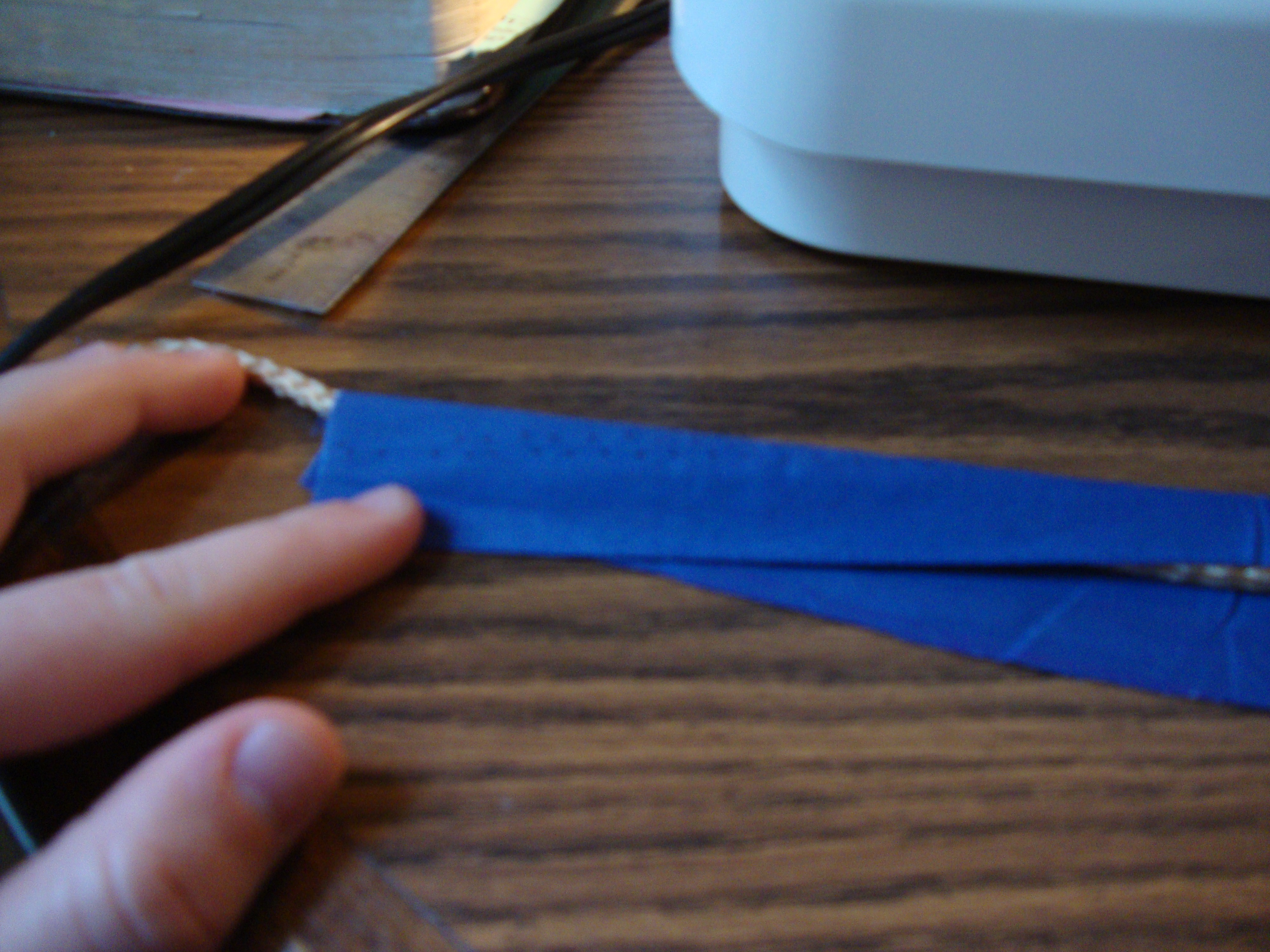
Making the piping edge was actually a lot easier than I thought it would be. I purchased the cheapest craft cord I could find. And for the fabric, I cut a long 2″ wide rectangle. I knew it had to be 72″ long, so with the scraps I had leftover I made two 36″ long rectangles.

I then folded the fabric over the chord, and using my zipper foot, I sewed the chord in place. Back to the fabric of the pillow, I took the the 19×19″ square and used a cup to round off the edges.

I did the same with the blue rectangles, but only on one of the long sides. The other long side I hemmed in place (about 1/2 inch).

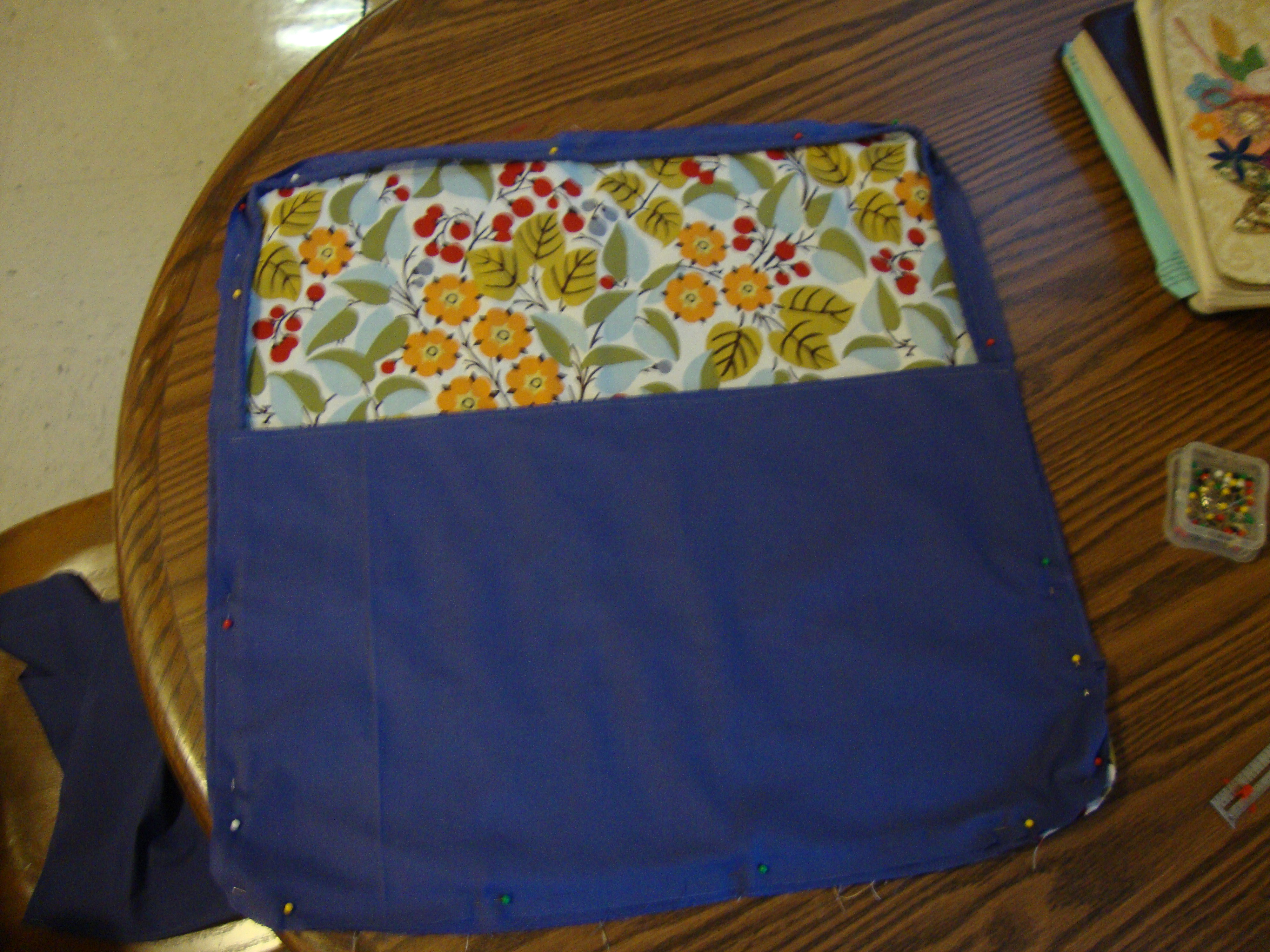
Then it is time to assemble it all together. I ending up making two pillows. On the first pillow, I assembled each layer, pinned it down and sewed it all together. The second time, I sewed in parts, and it produced a much better pillow. So with the right (floral) side up, I pinned the piping in place (clean edge facing inwards). And I used the zipped foot again to sew in place.

Then I pinned down the two rectangle pieces, alining them with the rounded corners.

Sew it all together, flip it inside out and insert the pillow form – and you have yourself a pretty adorable throw pillow.

DIY: Tablecloth with Ruffle Edge

Have you ever fallen in love with a fabric?
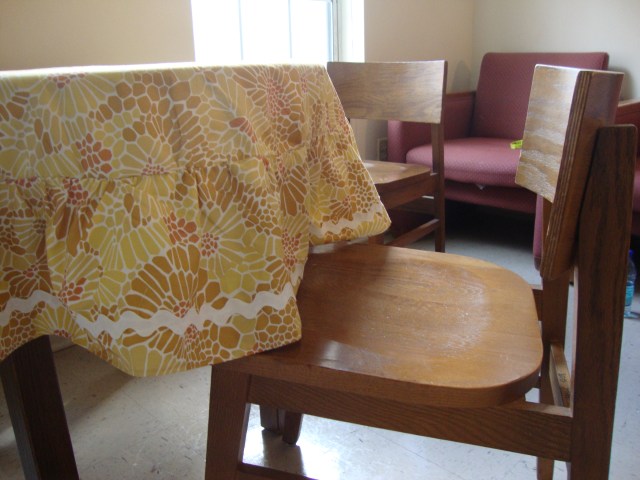
I fell in love with this fabric one day walking through Hobby Lobby, and I literally spent 2 weeks thinking of something I could make out of it. It didn’t come across as a fabric for a skirt or a dress, so I thought beyond clothes. And the idea of a tablecloth finally became clear. So with some measurement and brainstorming, I headed to Hobby Lobby to buy my 3 1/2 yards of the wonderful fabric.

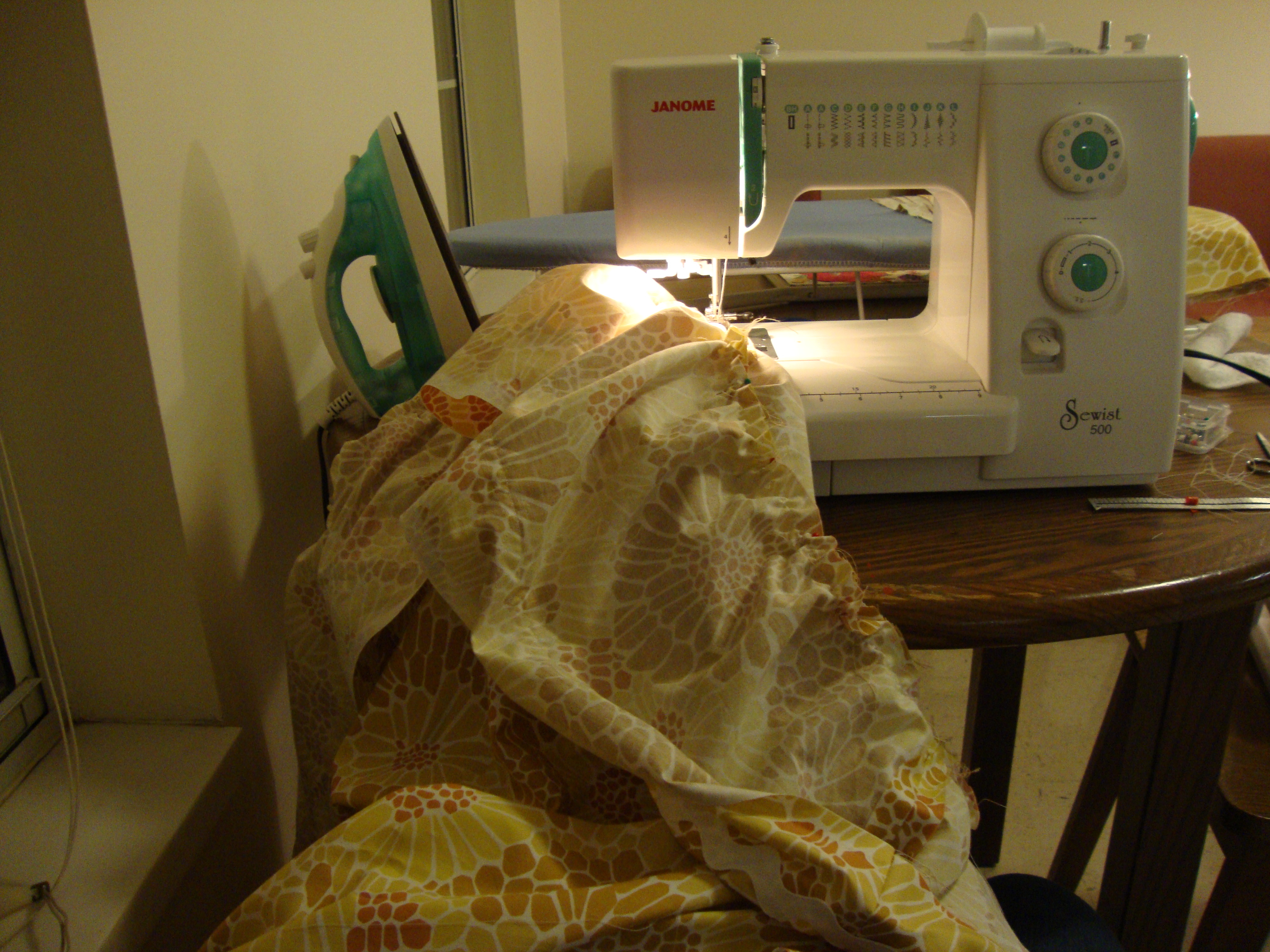
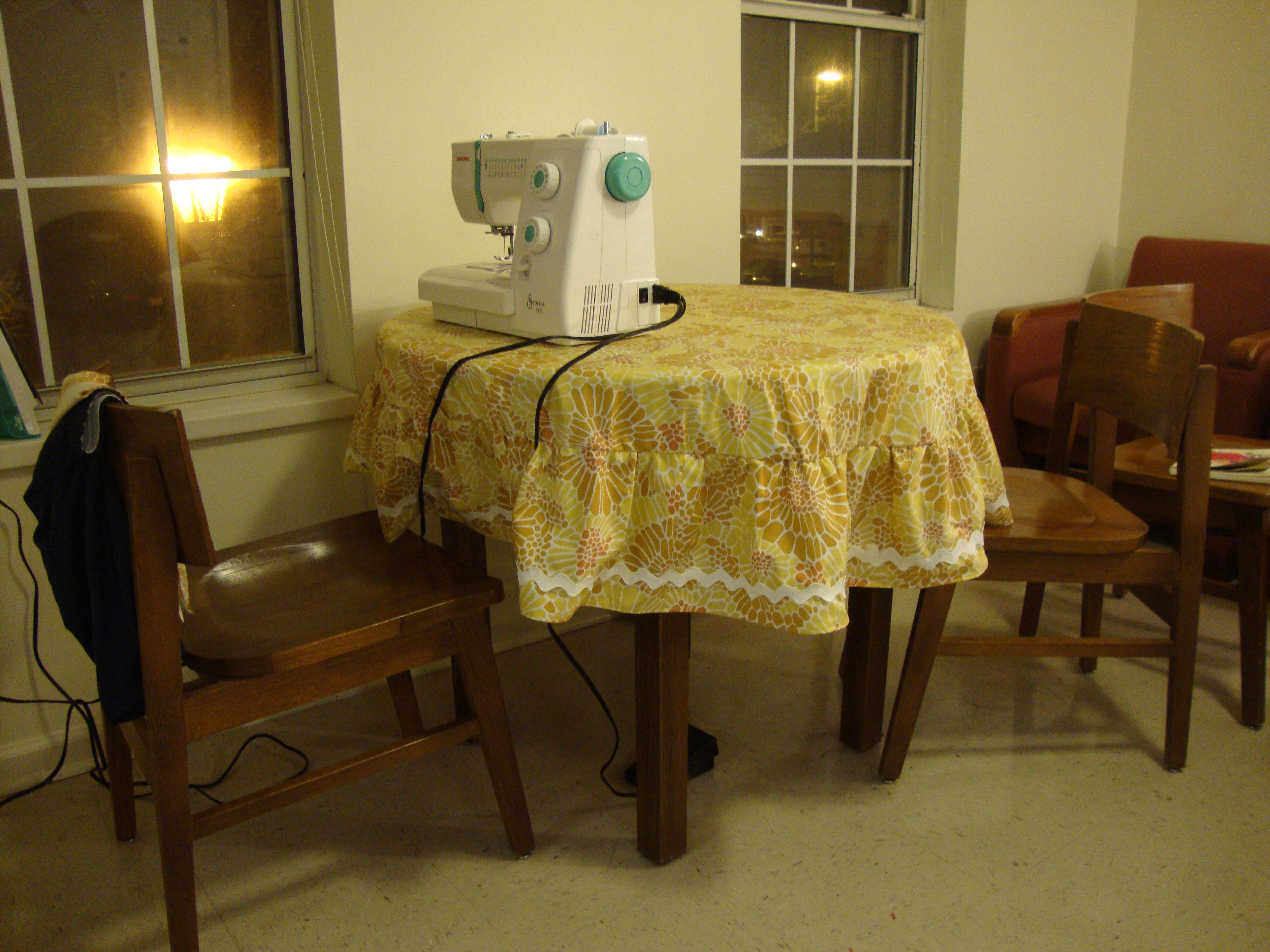
I assembled everything together in the common room of my dorm room. It was definitely a small space (all my cutting took place on the floor), but luckily I had everything I needed, even a dorm room sized ironing board.

Step 1 was measuring. I wanted to send this to my parents, so I had my dad measure the diameter of our patio table (42 inches) back home. And with 44 inch-wide fabric, I decided to cut the circle with that diameter (since I couldn’t get any bigger).

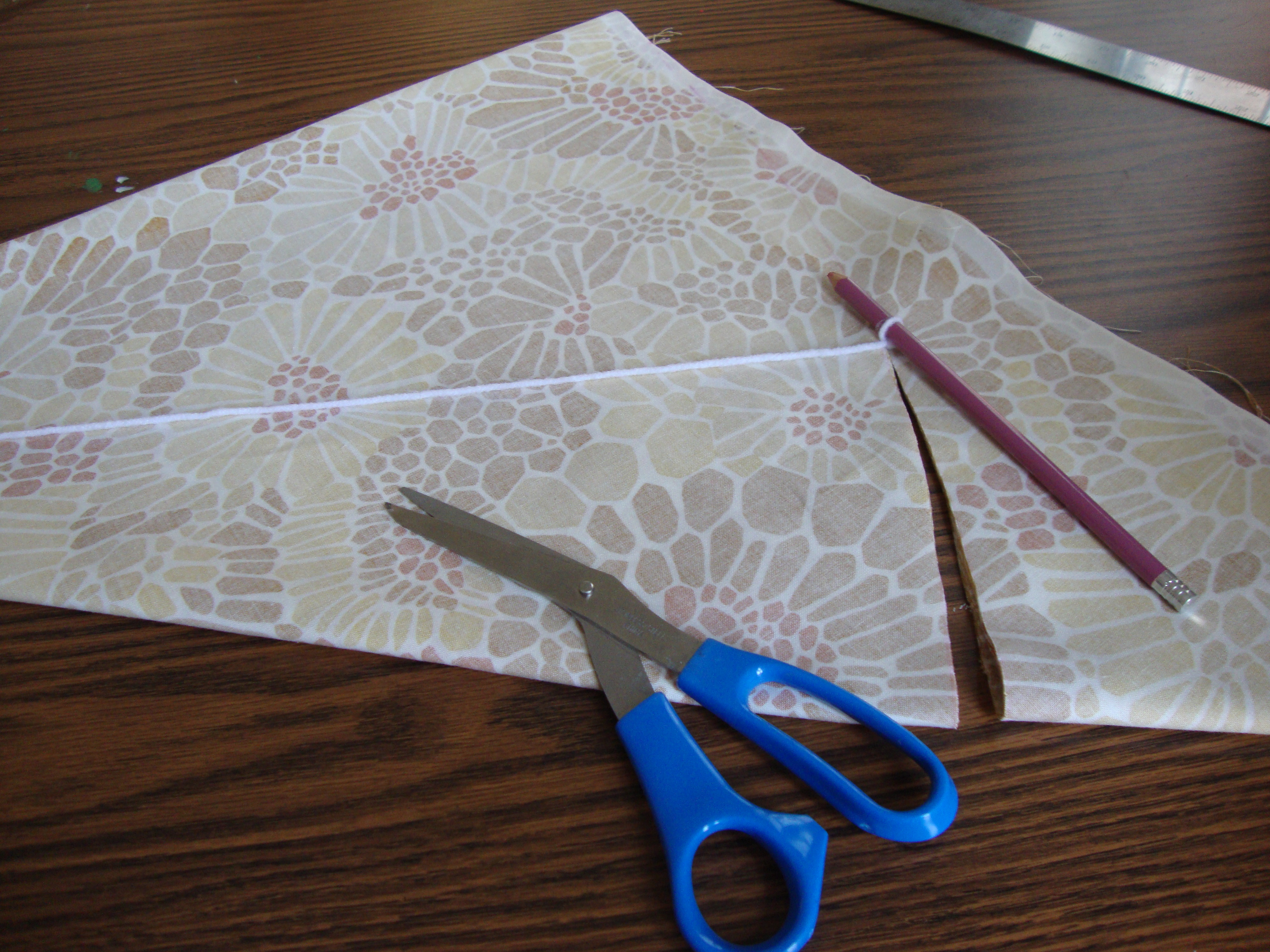
I used a technique to cut the circle from this website that I found when I was doing some pre-sewing research (see her first sketch). But basically, the technique is taking your fabric pencil and attaching it to a string that measures your radius – like a compass circle. After marking, I simply made the cut.

With the top done, step 1 is complete, and it’s time to more on to the ruffled skirt.
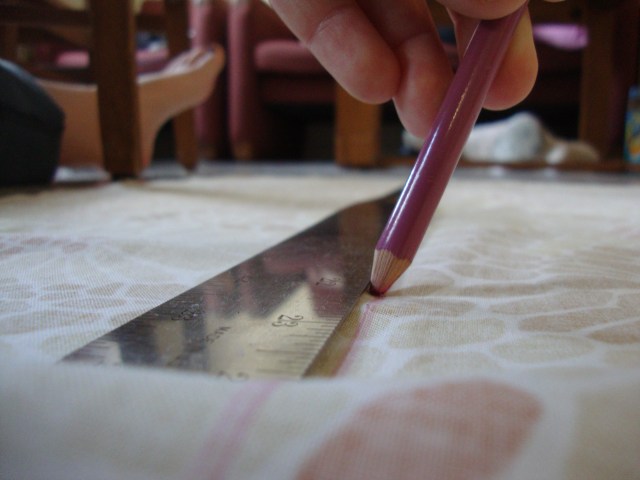
And we start step 2 like step 1 with lots of measuring. I measured two long panels 10 inches high and 3 1/2 yards long. After cutting them out, I sewed the two panels together, making a one 5 yard long panel and began pinning the rik rac on the fabric. I placed the rik rac 2 1/2 inches above the unhemmed edge.
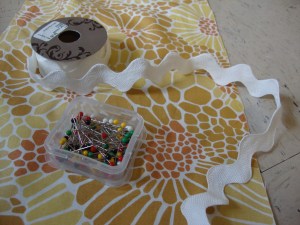
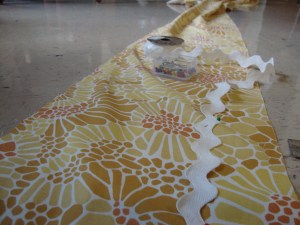
In Step 3, we sew on the rik rac. After pinning it down, I simply ran a straight stitch right down the middle of the ribbon. Then I took the time to go back and sew in the zig-zagged pattern, making sure the edges were securely sewed down.

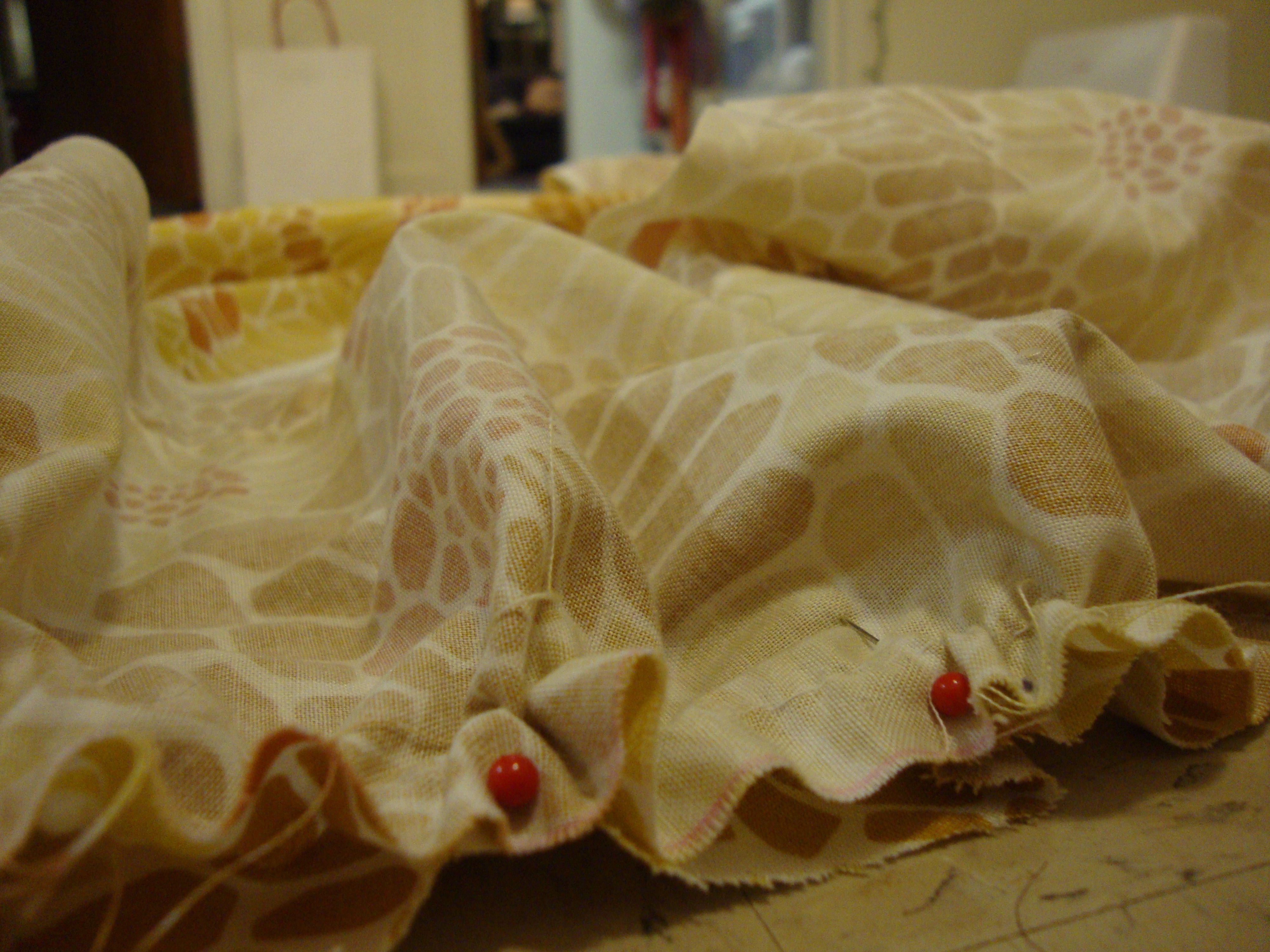
Then I changed the settings of my sewing machine to allow for a looser and longer stitch. With this, I sewed along the upper part of the fabric, not sewing backwards to secure the ends. Then, taking only one string on the end, I gently pulled on the string to gather the fabric. Continually spreading out the fabric and pulling the string to gather the fabric, a nice ruffled effect is created.
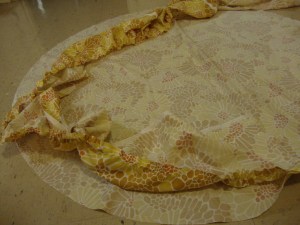
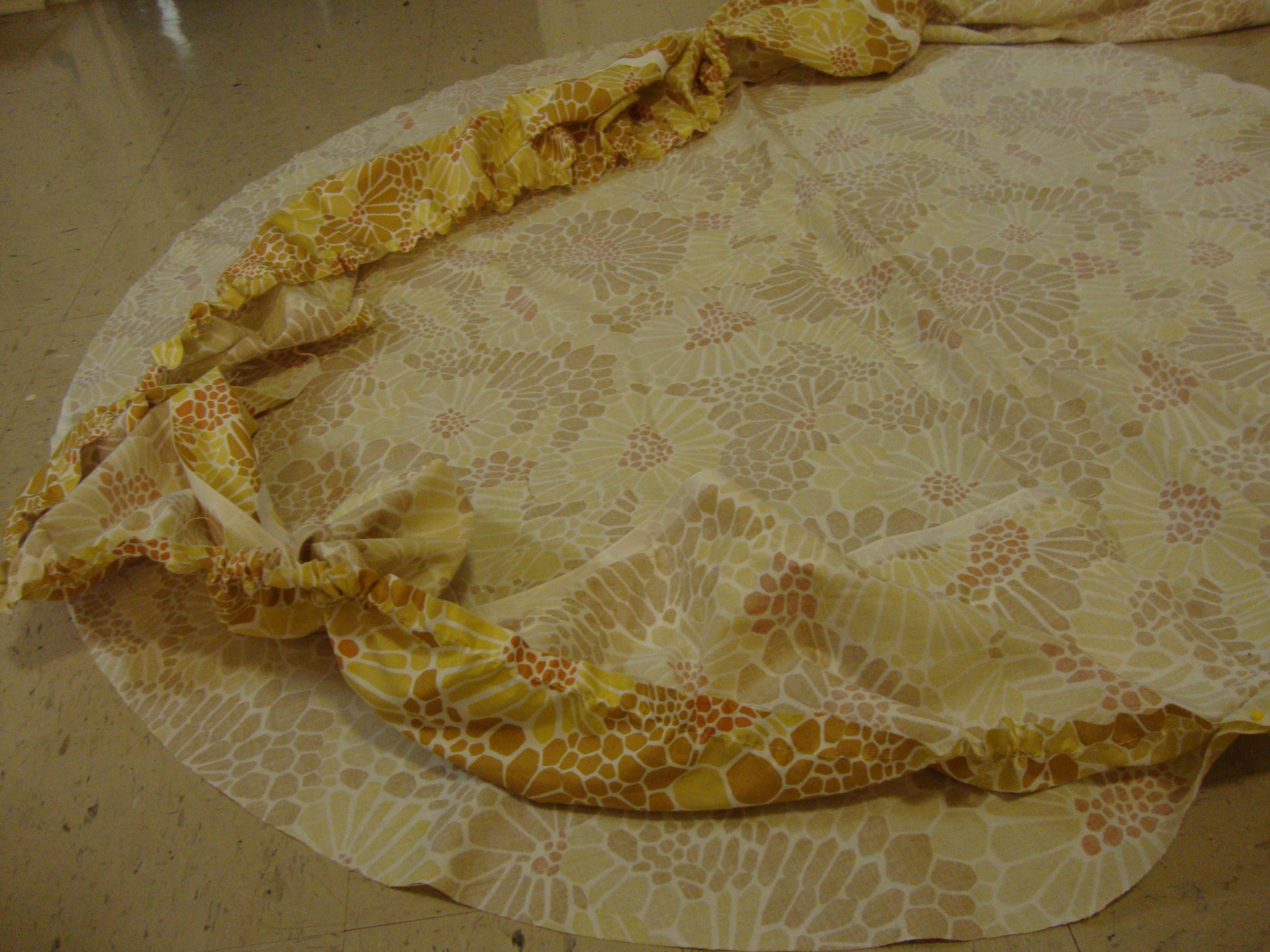
And then with right sides together (ignore the left picture above, it is wrong) pin the ruffled skirt to the circled top. With everything in place, sit yourself down at a sewing machine and sew – using the standard 5/8 seam allowance.

The final step is to sew a hem for the skirt (the easiest part) and iron out all the wrinkles. And ta da! You have yourself a beautiful, spring tablecloth.
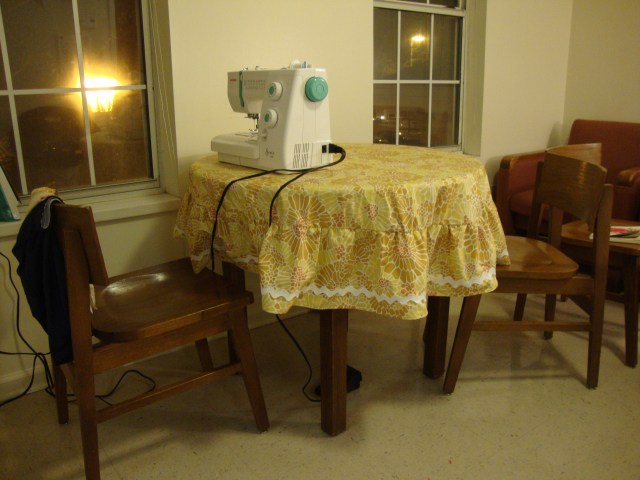
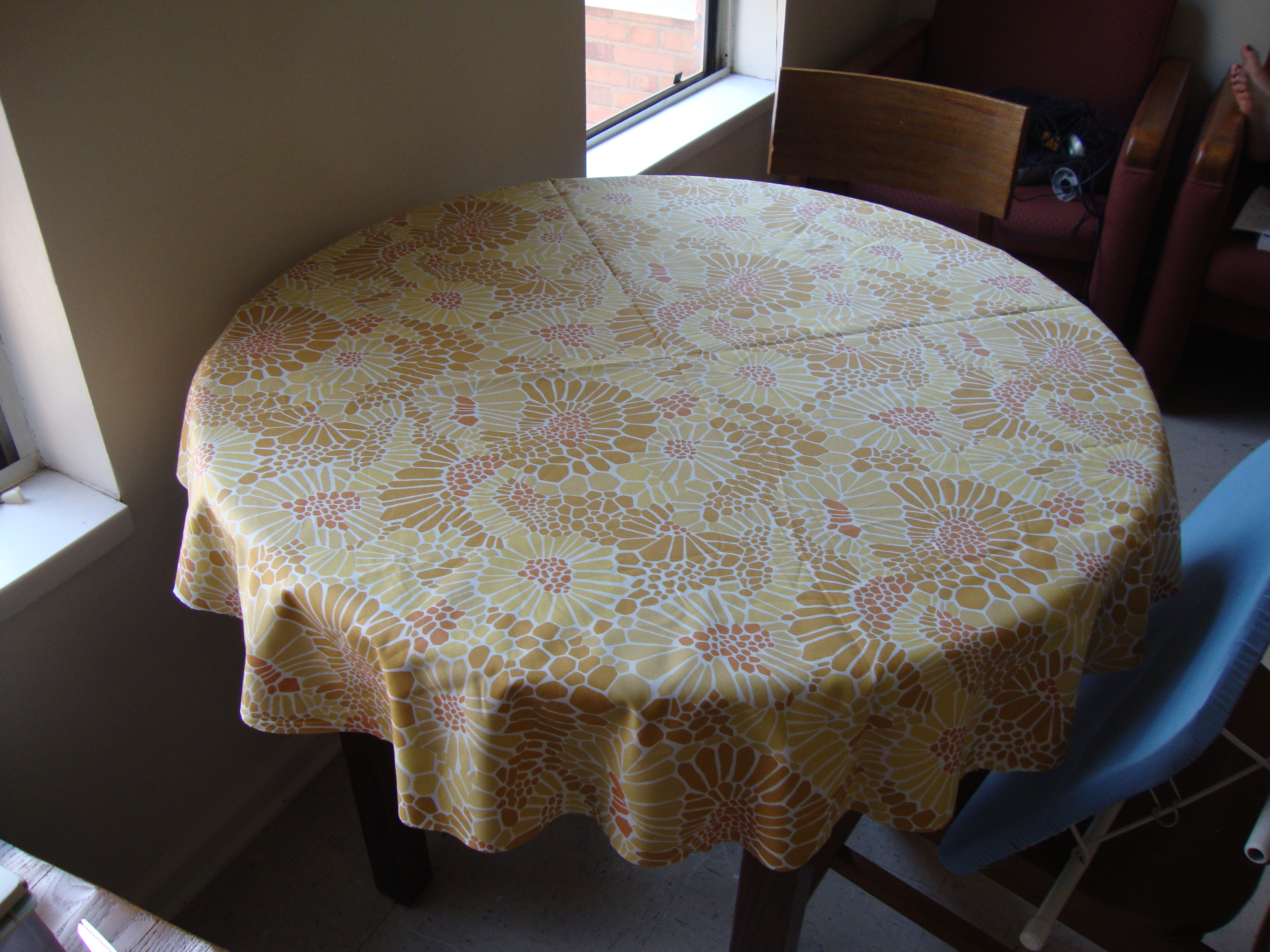
Note: I did make this for a 42″ round table and the one picture above is on a 35″ one, but I kind of liked how it looks here. (I’m thinking I might have to make another one!)